
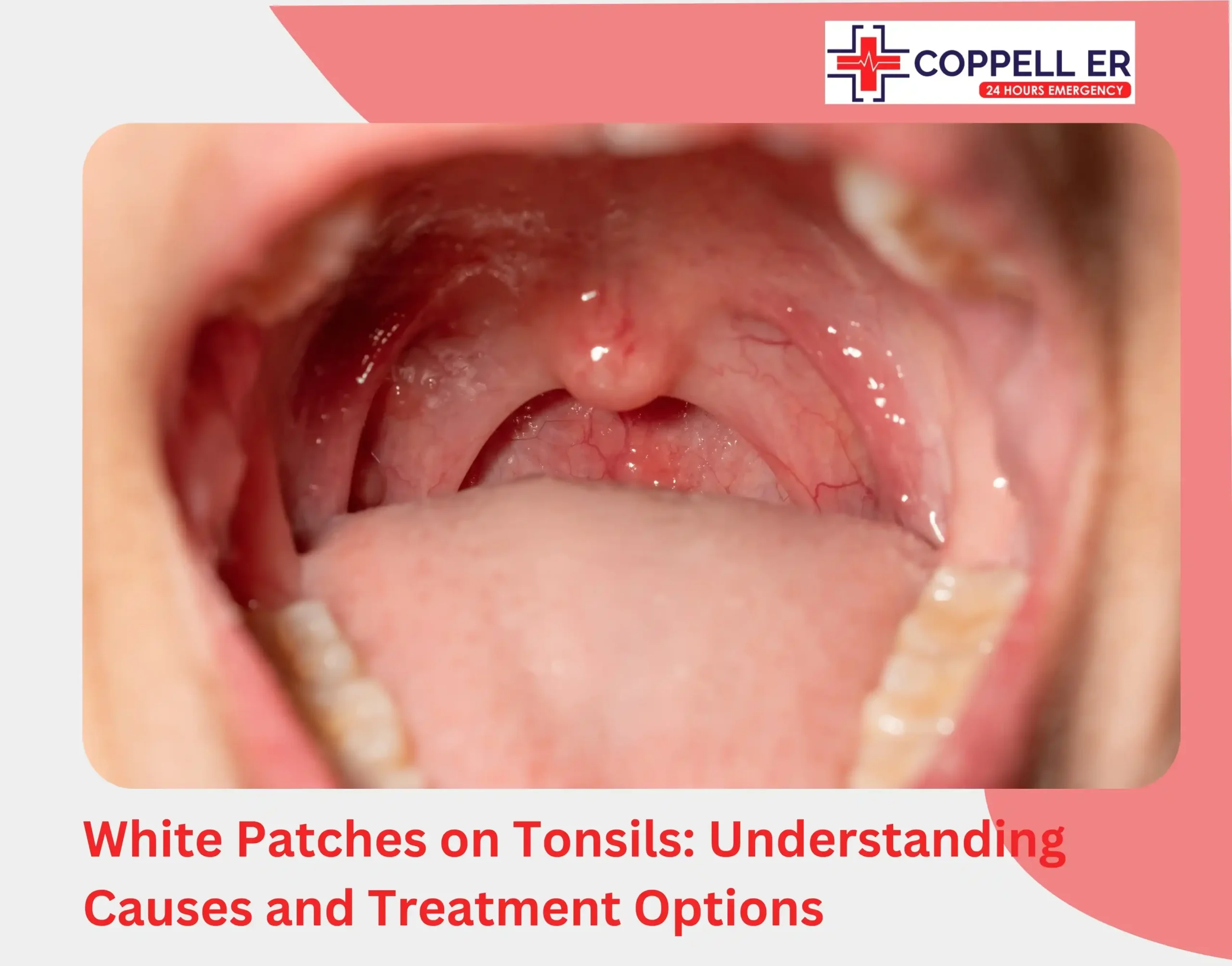
All white patches on tonsils look the same in the mirror, but the cause behind them can range from harmless to seriously dangerous. It could be a simple throat infection or a bacterial infection like strep throat, which, if ignored, can spread to the heart or kidneys.
In rare cases, white patches that don’t heal or keep coming back may be linked to precancerous changes in the mouth or throat. And if it’s bacterial, it’s contagious too.
Understanding what causes white patches on your tonsils and knowing the right treatment options can save you a lot of pain, prevent serious complications, and stop the infection from spreading to your friends or family.
What Are White Patches on Tonsils?

White patches on tonsils appear as pale, cream-colored, or yellowish spots on the surface of these lymphoid tissues at the back of your throat. These patches can vary in size and appearance, ranging from small dots to larger coating areas associated with tonsil infection.
These white patches typically indicate inflammation, infection, or debris accumulation on the tonsil tissue.
5 Common Causes of White Patches on Tonsils
Let’s explore the most frequent culprits, from mild infections to more serious conditions.
1. Tonsillitis
Tonsillitis occurs when your tonsils become inflamed due to viral or bacterial infections. The white patches on tonsils from a tonsil infection represent pus or inflammatory debris accumulating on the infected tissue.
Symptoms often include:
- Severe sore throat
- Difficulty swallowing
- Swollen, red tonsils with white patches
- Fever and chills
- Swollen lymph nodes in the neck
- Bad breath
2. Strep Throat
This bacterial infection, caused by Group A Streptococcus, creates thick white or yellow patches of pus on the tonsils and throat. The patches are often more pronounced than those from tonsil stones or viral tonsil infection.
Strep throat symptoms typically develop rapidly and include:
- Sudden, severe throat pain
- Painful swallowing
- White or yellow coating on tonsils
- High fever (often above 101°F)
- Headache
- Body aches
- Tiny red spots on the roof of the mouth
- Absence of cough (unlike viral infections)
Recognizing strep throat early is crucial because this condition requires antibiotic treatment to prevent complications.
3. Tonsil Stones (Tonsilloliths)
These are small, white or yellowish calcified deposits that form in the crevices of your tonsils. Tonsil stones occur when food particles, dead cells, mucus, and bacteria accumulate and harden in the tonsil crypts.
While they typically don’t cause serious health problems like a bacterial infection, they can create noticeable symptoms:
- Visible white or yellow spots on tonsils
- Persistent bad breath
- Mild sore throat
- Difficulty swallowing
- Feeling of something stuck in your throat
- Metallic taste in mouth
Unlike a tonsil infection, tonsil stones usually don’t cause fever.
4. Oral Thrush
Oral thrush, a yeast infection caused by Candida fungus, can create creamy white patches on tongue, tonsils, and inner cheeks. This condition is more common in people with weakened immune systems, those taking antibiotics, or individuals with diabetes.
5. Infectious Mononucleosis (Mono)
Often called the “kissing disease,” mononucleosis can cause white patches on tonsils along with extreme fatigue, fever, and swollen lymph nodes. This viral infection typically affects teenagers and young adults and may initially be confused with strep throat.
When to Seek Emergency Care

While many cases of white patches on tonsils can be managed by your primary care physician, certain symptoms warrant immediate emergency care at Fort Worth ER:
- Severe difficulty breathing or swallowing
- Excessive drooling due to inability to swallow
- High fever above 103°F that doesn’t respond to medication
- Severe dehydration
- Muffled voice or inability to open your mouth fully
- Signs of abscess formation (severe one-sided throat pain)
Don’t wait if your white patches on tonsils are accompanied by these severe symptoms.
Diagnosis and Treatment Options

Medical Evaluation
Proper diagnosis of white patches on tonsils begins with a physical examination and medical history. Your healthcare provider will likely:
- Examine your throat and tonsils with a light
- Feel your neck for swollen lymph nodes
- Take your temperature
- Perform a rapid strep test to check for strep throat symptoms
- Potentially order a throat culture to identify tonsil infection
- Order blood tests if tonsil stones or other conditions are suspected
Treatment
The treatment for different issues includes:
For Tonsil Infection
- Bacterial tonsil infection requires antibiotics, typically penicillin or amoxicillin for 10 days. It’s essential to complete the entire course even if the symptoms improve.
- Viral tonsil infection doesn’t respond to antibiotics and requires supportive care including rest, fluids, pain relievers, and throat lozenges. It will resolve on its own with proper care.
For Strep Throat Symptoms
When strep throat is confirmed through testing, immediate antibiotic treatment is necessary. In addition to medication, symptom management includes:
- Taking over-the-counter pain relievers
- Gargling with warm salt water
- Drinking warm liquids or cold treats to soothe throat pain
- Using a humidifier
- Getting adequate rest
For Tonsil Stones
Small tonsil stones often dislodge on their own. Home management options include:
- Gargling with salt water
- Gentle removal with a cotton swab (if visible and accessible)
- Using a water flosser on low setting for stubborn tonsil stones
- Maintaining good oral hygiene to prevent future stones
- Persistent or bothersome tonsil stones may require professional removal or, in chronic cases, tonsillectomy.
Key Takeaway
If you’re unsure what’s causing white patches on tonsils, especially if pain, fever, or swelling worsen, don’t wait it out. Early evaluation can prevent complications and get you feeling better sooner.
At Coppell ER, our board-certified emergency physicians provide thorough evaluations, rapid strep testing, and laboratory diagnostics to identify the cause. Imaging is also available for more complex cases. With timely treatment, we help relieve discomfort and promote faster recovery.