
Most seizures are over before anyone can get help. What matters here isn’t stopping it, it’s finding out why it happened and whether it’s safe for it to happen again. If a seizure is still going after five minutes, or another one starts before the person wakes up, call 911. Otherwise, Coppell ER is a seizure emergency room built to find the cause fast, with on-site lab testing, CT imaging when it’s needed, and a board-certified physician working through what triggered it while you’re still in the room.
Call Now: 469-763-3136
Hours: 24/7/365
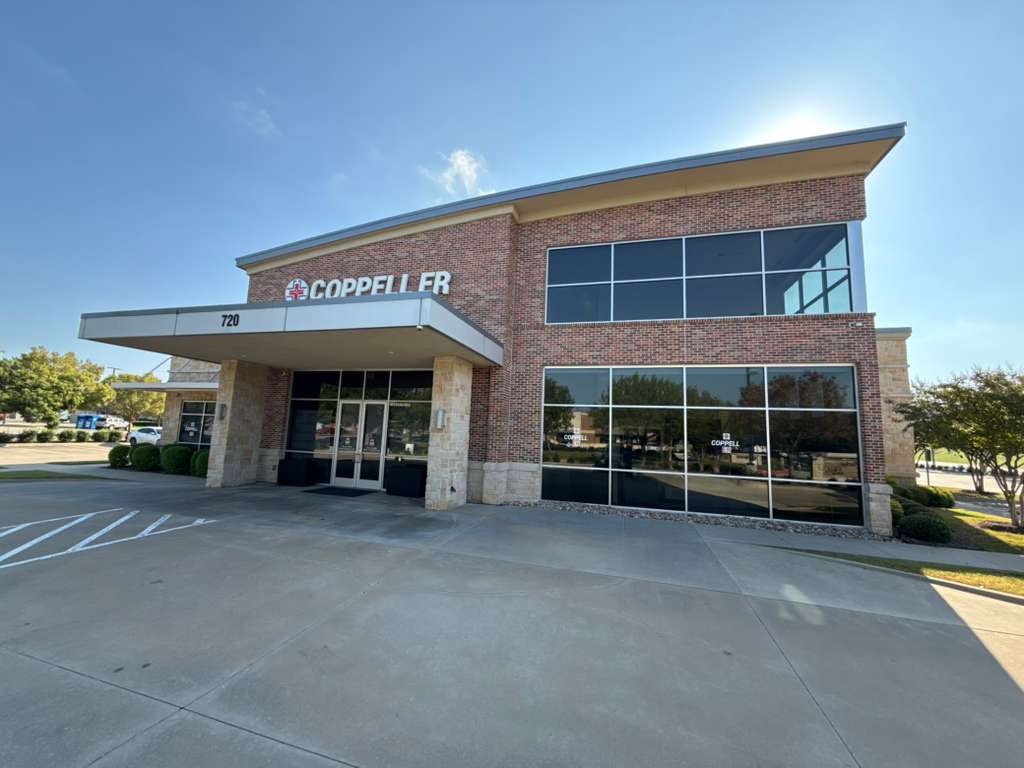
Walk-In: Coppell ER | 720 N Denton Tap Rd, Coppell, TX 75019

Ease the person to the floor, turn them onto their side, and clear the area of anything hard or sharp. Don’t hold them down and don’t put anything in their mouth. Time the seizure. A seizure that won’t stop after five minutes is a medical emergency, call 911 immediately rather than waiting to see if it resolves.
Febrile seizures in children look frightening, shaking, eyes rolling back, unresponsiveness, but they’re usually brief and don’t cause lasting harm. Same-day evaluation still matters, to confirm the fever’s source and rule out anything more serious.
Most seizures last one to three minutes and stop on their own before paramedics or a car ride could ever reach the hospital. By the time you arrive at a seizure emergency room, the shaking has almost always already stopped. That can feel confusing, like there’s nothing left to treat, especially after the fear of watching it happen. There’s plenty left to find out.
A seizure is a symptom, not a diagnosis. It can come from a fever, a missed dose of anti-seizure medication, low blood sugar, alcohol withdrawal, a head injury, or, especially with a first time seizure, something that’s never been identified before. The visit isn’t about catching the seizure in progress. It’s about figuring out what caused it, whether the same trigger is still active, and what that means for the next few hours and beyond.


The period right after a seizure, called the postictal state, often looks almost as alarming as the seizure itself. Confusion, grogginess, slurred speech, and not remembering what just happened are typical and usually resolve within twenty to thirty minutes. Knowing that doesn’t make it less frightening to watch, especially the first time, but it does change what you’re actually watching for.
What isn’t typical: confusion that doesn’t start improving after thirty minutes or so, trouble waking the person at all, or breathing that stays labored once the shaking has stopped. Those signs mean the recovery isn’t following the expected pattern, and it’s worth an evaluation to find out why, rather than waiting at home to see if it resolves on its own.
A nurse checks vitals, breathing, and current alertness within minutes of arrival.
We ask what the seizure looked like, how long it lasted, whether it's happened before, and what medications are involved, this shapes the whole workup.
Labs check glucose, sodium, and other levels that commonly trigger seizures, along with a fever workup in children.
For a first-time seizure, a head injury during the event, or certain risk factors, a CT scan rules out bleeding or structural causes.
Breathing, heart rhythm, and neurological status are tracked while results come back.
A board-certified physician reviews everything with you, explains what was found, and coordinates neurology follow-up or direct transfer if it's needed.
Low blood sugar, sodium imbalance, fever, alcohol withdrawal, and missed anti-seizure medication are the most common triggers we check for, because treating the cause is what actually prevents the next one, not just observing until symptoms pass.
A freestanding ER doesn't have on-site EEG monitoring. What we do is rule out the causes that need immediate treatment, run the labs and imaging that answer today's question, and identify who should manage the ongoing workup, often a neurologist, from here.
If someone with known epilepsy has missed doses or changed medications, that context often explains the event and shapes what happens next, sometimes without needing extensive additional testing.
If imaging or labs point to something beyond stabilization, we arrange direct transfer to a facility equipped for the next step, briefed on the case before the patient arrives.
If you’re comparing where to go for a seizure emergency room in Coppell, here’s what sets Coppell ER apart:
On-site labs and CT results in minutes, so a seizure workup never waits on an off-site facility.
Board-certified emergency physicians explain what was found and what it likely means, not just a discharge sheet.
Including febrile seizures, on the same visit.
For a seizure, active or resolved, walk in and get seen immediately.
Honest coordination with neurology when ongoing management is needed.
We offer flexible payment plans and accept most major insurance plans.
For billing queries, contact our billing department at:
Phone: (817) 785-8000
Email: info@aimbillingsolutions.com
Searching for seizure care near me in Coppell? Coppell ER sits on N Denton Tap Road near the Sam Rayburn Tollway, minutes from Coppell, Irving, Carrollton, Grapevine, Las Colinas, and Valley Ranch, with parking right outside the door.
We’re open 24 hours a day, 7 days a week, including every holiday, with on-site labs and imaging ready the moment you walk in. Whether your seizure care near me search is for a child’s first febrile seizure or a breakthrough seizure in someone with known epilepsy, no appointment or referral is needed.

The seizure ending doesn’t mean the question is answered. What caused it, and whether it’s likely to happen again, are the things a same-day evaluation is built to find out, while the details are still fresh and the cause is still findable.
Coppell ER is open right now, every hour of every day, ready to work through the cause while it’s still worth looking for.
Call Now: 469-763-3136
Hours: 24/7/365
Walk-In: Coppell ER | 720 N Denton Tap Rd, Coppell, TX 75019
Ease them to the floor, turn them onto their side, and clear away anything hard or sharp. Don’t hold them down or put anything in their mouth. Time the seizure, and call 911 if it lasts more than five minutes.
A seizure lasting more than five minutes, or a second seizure starting before the person fully wakes up, is a medical emergency. Call 911 rather than waiting to see if it stops on its own.
Yes. Grogginess and confusion, called the postictal state, are typical and usually improve within twenty to thirty minutes. Confusion that doesn’t start improving, trouble waking the person at all, or labored breathing after the shaking stops are signs that need evaluation.
Most febrile seizures are brief and don’t cause lasting harm, even though they look frightening to watch. Same-day evaluation still matters, to confirm the cause of the fever, rule out anything more serious, and give you a clear plan for what to watch for at home.
Not necessarily. A single seizure has many possible causes, from fever to low blood sugar to a missed medication dose, and doesn’t automatically mean epilepsy. A first time seizure always needs evaluation to look for the cause.
No. Urgent care clinics don’t have the lab testing or monitoring needed to evaluate a seizure safely. Any seizure, whether it’s a first event or a known condition, needs a seizure emergency room evaluation.
Yes. Walk in any hour without an appointment. We accept most major insurance plans for seizure emergency room visits and every other emergency we treat, and our team can help you understand your coverage before you leave.
Need help?