
A cough exists to protect your lungs, and most coughs do exactly that. When one starts costing you something instead, like oxygen, fluids, sleep, or a baby’s steady breathing, you need an emergency room for cough care that can find the reason in a single visit.
Coppell ER runs chest X-rays, CT scans, and lab work onsite around the clock. A board-certified emergency physician reviews every result with you before you leave, whether the patient is a grandparent or a toddler.
Call Now: 469-763-3136
Hours: Open 24/7, walk-ins welcome
Walk-In: 720 N Denton Tap Rd, Coppell, TX 75019
A cough becomes an emergency when it arrives with signs that your lungs, heart, or airway are under strain. Any symptom below, at any hour, is reason to be seen immediately rather than waiting for a clinic to open tomorrow.
The pattern people misread most is the second wave. The flu fever breaks, then returns days later with a deeper, wetter cough. That rebound often means bacterial pneumonia has settled in on top of the virus, and it deserves a chest X-ray the same day.
Call 911 instead of driving if lips or skin look blue or gray, if someone can’t stay awake, or if a baby has pauses in breathing.


We judge a cough less by its sound than by its toll. One that leaves you rested, hydrated, and breathing normally between fits is usually doing its job. These five costs turn it into an emergency, and each points to a test we can run tonight.
Oxygen. Pneumonia can pull blood oxygen down before you feel short of breath, particularly in older adults. A home pulse oximeter that keeps reading below 92% is reason enough to come in.
Fluids. Hard coughing fits often end in vomiting, especially with pertussis. A child who hasn’t urinated in eight hours needs IV fluids more than another night of tiny sips.
Consciousness. Fainting after a coughing fit, called cough syncope, happens when chest pressure briefly cuts blood returning to the heart. It still calls for an EKG, because a rhythm problem can look identical.
Ribs. Weeks of forceful coughing can crack a rib, most often in people with thinning bones. The giveaway is sharp, pinpoint pain on one side that began mid-fit. Plain X-rays miss a share of these fractures, which is where CT earns its place.
A lung. Occasionally a violent fit ruptures a small air pocket on the lung’s surface and part of the lung collapses. Sudden one-sided pain with new breathlessness needs imaging right away.
Whooping cough in a young baby often doesn’t whoop. Many infants with pertussis cough very little and instead gag, stop breathing for a few seconds, or turn blue around the lips. Those pauses, called apnea, are the most common serious complication in babies under a year old.
This matters in North Texas. The state recorded more than 3,500 pertussis cases through October 2025, roughly four times the previous year’s pace, and children made up about 85% of them. About one in three infants who catch it ends up in the hospital.
Bring your baby in the same day if a cough begins after contact with someone who has a lingering cough, if feeds keep ending in coughing or vomiting, or if the face reddens and breathing pauses during a spell. Antibiotics work best early, and exposed siblings or caregivers often need treatment too. Our pediatric emergency care team sees infants at every hour.
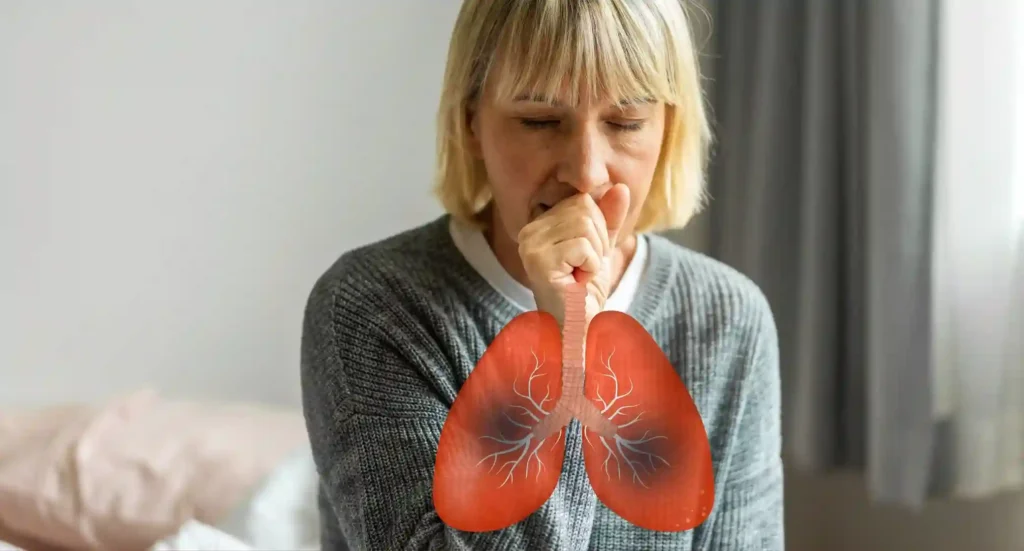
Where you go depends less on how bad the cough sounds and more on what has to happen next. A clinic can listen to your lungs and write a prescription. Imaging, IV treatment, or several hours of watching your breathing call for a setting built for them.
| What you need | Pediatrician or walk-in clinic | Coppell ER |
|---|---|---|
| Lung exam and a prescription | Yes | Yes |
| Rapid flu, COVID, RSV, and strep tests | Often | Yes, results during your visit |
| Chest X-ray | Some locations, daytime hours | Onsite, 24/7 |
| CT scan for a clot or hidden rib fracture | No | Onsite |
| IV fluids or IV antibiotics | Rarely | Yes |
| Hours of observation after a croup treatment | No | Yes, up to 24 hours |
| Open at 3 a.m. on a holiday | Rarely | Always |
If you’re weighing urgent care for cough symptoms and can’t tell which column you belong in, that uncertainty is exactly what an emergency evaluation settles. See how a freestanding ER vs urgent care compare.

Most cough evaluations wrap up in one to two hours. When a large collapsed lung or pneumonia needs a hospital team, we stabilize you and coordinate the transfer directly, so the receiving doctors already have your images and labs.
Silencing a cough is rarely the goal. The cough is guarding your airway, so treatment goes after whatever is irritating it.
When an X-ray confirms pneumonia, IV antibiotics can start before you leave, with fluids if fever has dried you out. Wheezing coughs get nebulized breathing treatments and anti-inflammatory medication, then a repeat oxygen check to confirm the improvement holds. Our guide to bronchitis vs pneumonia explains how doctors tell a chest cold from a lung infection.
Croup responds to a fast-acting breathing treatment and an anti-inflammatory dose, then a few hours of observation, because that quick relief can fade. Pertussis gets antibiotics, and we’ll cover who else at home needs them. A cracked rib needs pain control strong enough to let you breathe deeply, since shallow breathing around a painful rib invites pneumonia.
You leave with a plan written for your diagnosis, including which over-the-counter options are safe at your age and which follow-up visit to book.

If you’ve any questions about billing, contact our billing team at:
Phone: (817) 785-8000
Email: info@aimbillingsolutions.com
Searching for cough treatment near me at 2 a.m. usually turns up clinics that closed hours ago. Coppell ER sits on North Denton Tap Road and stays open 24 hours a day, weekends and holidays included. We’re a short drive for families in these communities.
Find our hours, parking, and directions on the 24-hour ER near me page.

A cough that lets you sleep, eat, and breathe easily between fits can usually run its course at home. One that takes oxygen, fluids, or a baby’s steady rhythm of breathing needs answers tonight.
Walk in tonight. Coppell ER stays open around the clock, with imaging, labs, and emergency physicians ready the moment you arrive.
Call Now: 469-763-3136
Hours: Open 24/7, walk-ins welcome
Walk-In: 720 N Denton Tap Rd, Coppell, TX 75019
Yes. We can collect a pertussis swab, and when your symptoms and exposure history fit the pattern, the physician can start antibiotics that same visit instead of waiting on the result. Early treatment shortens how long you stay contagious, which protects newborns, pregnant family members, and older relatives sharing your home.
Usually the aim is treating what drives the cough, since suppressing a productive cough can trap mucus in infected lungs. For a dry cough that keeps you awake, the physician may recommend a specific over-the-counter option. Children under four generally shouldn’t take cough and cold syrups, so we suggest safer comfort measures for them.
Not always. A chest X-ray makes sense when a cough comes with fever and fast breathing, crackles heard through the stethoscope, a low oxygen reading, chest pain, or a history of lung or heart disease. A simple cold cough with normal vital signs rarely needs one, and the physician will tell you why either way.
Keep your child upright and as calm as possible, since crying tightens a swollen airway. Cool night air sometimes eases the barking for a few minutes, so cracking a window can help. If the squeaky breathing sound continues at rest, or the skin between the ribs pulls in, keep coming. Call 911 if lips turn blue.
If you’re unsure, an evaluation is how you find out. A normal exam, oxygen level, and X-ray can send you home with peace of mind and a clear plan. If something deeper is going on, such as pneumonia or a clot, catching it tonight avoids a much harder visit later.
No appointment is needed. Walk in any hour, any day of the year, including holidays. We accept most major insurance plans and offer flexible payment plans through Sunbit, and Texas law requires emergency visits to be processed at in-network benefit levels.
Need help?