
The heart attacks that get missed rarely arrive with a fist on the chest. They arrive as jaw pain, an aching arm, or a wave of nausea that feels like the flu. Our heart attack emergency room in Coppell runs a 12-lead EKG within minutes of your arrival and confirms it with onsite cardiac enzyme testing.
If you suspect a heart attack, call 911. If you are already unsure what you are feeling, walk in and let us find out.
Call Now: 469-763-3136
Hours: 24/7/365
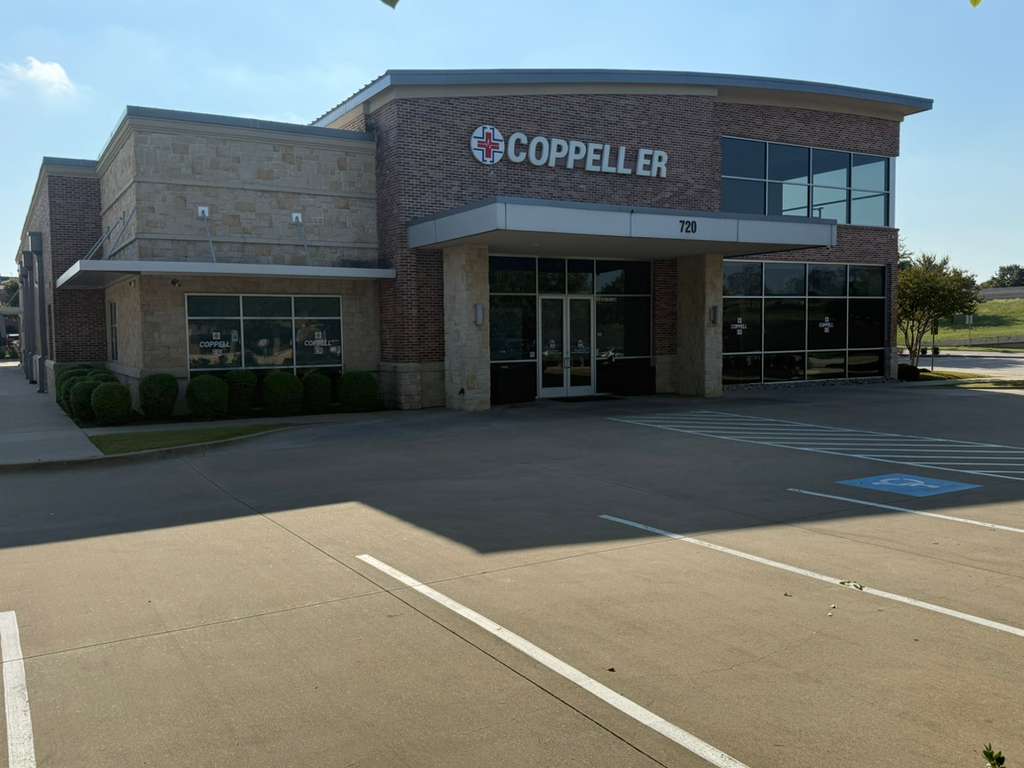
Walk-In: Coppell ER | 720 N Denton Tap Rd, Coppell, TX 75019

For a suspected heart attack, an ambulance beats a car. Two reasons, and neither is about speed.
Paramedics can perform an electrocardiogram on the way, which means the diagnosis often begins before you arrive anywhere. And in the rare event the heart stops, an ambulance carries the equipment and the trained hands to restart it. A car carries neither.
So do not drive yourself. Do not let someone drive you. Call 911, sit down, and follow the dispatcher’s instructions, including any guidance about medication, which depends on your history and is not a decision to make alone.
We say this plainly because a heart attack emergency room that tells you otherwise is selling something. If EMS brings you here, we are ready. If EMS takes you elsewhere, that is the right outcome too.
The reason this page exists is different. It is for the person who is not sure they are having a heart attack at all.
Roughly one in five heart attacks is silent. The heart muscle is damaged, and the person never knows. No crushing pain, no dramatic collapse. Fatigue that gets blamed on a bad week. Indigestion that never quite settles.
A silent heart attack is most common in older adults and in people with diabetes, where nerve damage dulls the signals the heart uses to raise an alarm.
Presentations that get dismissed:
Women are more likely to present this way and more likely to die from a heart attack, in part because their symptoms are attributed to anxiety or indigestion before anyone thinks to run an EKG.
If your symptom does not match the movie version, that is not reassurance. It is the reason to come in.
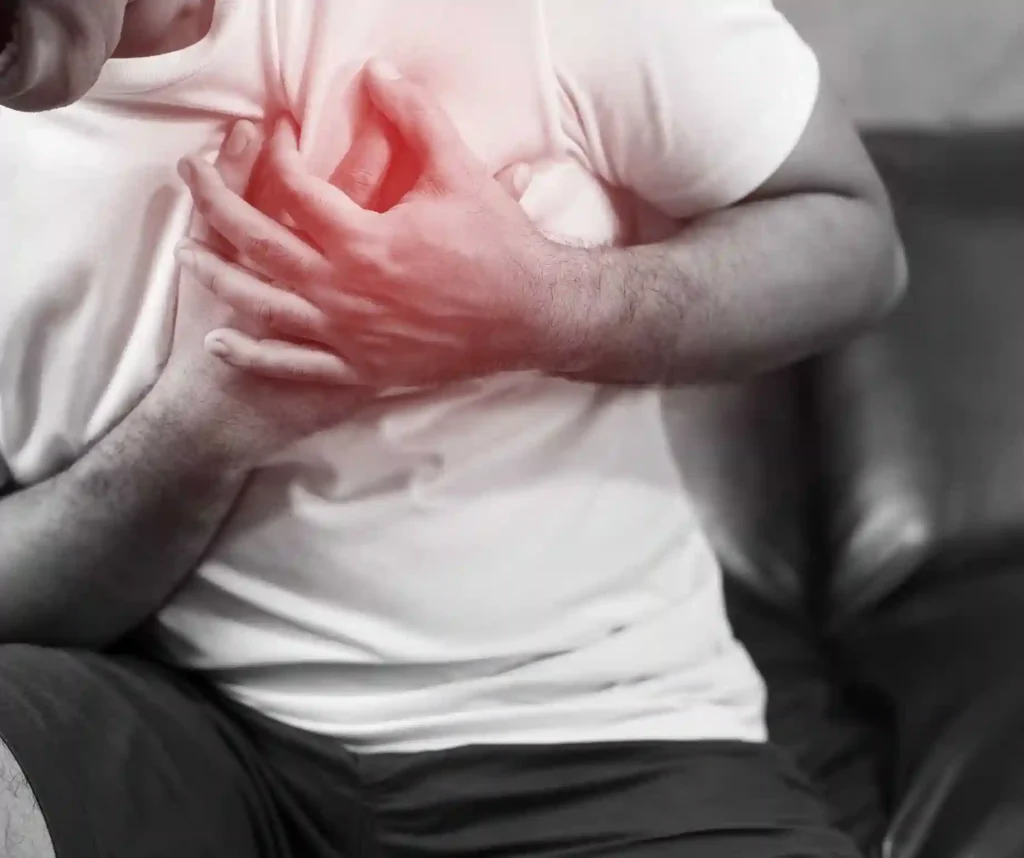
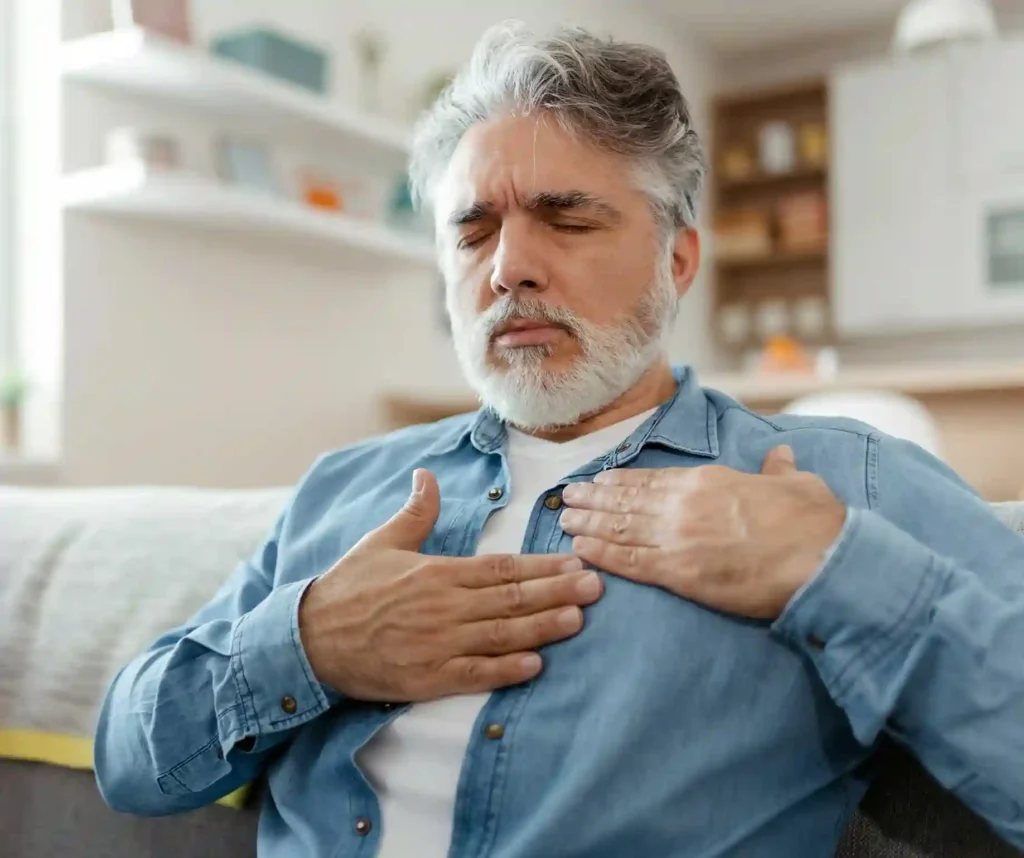
Call 911 immediately if you experience any of these, alone or together:
Two patterns deserve attention. Discomfort that fades and returns is not resolution. Cardiac pain can ease temporarily before coming back worse, and the pause fools people into staying home.
And chest tightness during rest rather than exertion is a warning in its own right. Discomfort that only appears with activity and settles quickly is a different pattern from discomfort that arrives while you sit still. Our guide to angina and what changes when it turns unstable covers where that line falls.
The signs of a heart attack are broad by design, because the condition is. When they appear, the safe assumption is cardiac until proven otherwise.
Two tests carry the diagnosis, and both run here.
The 12-lead EKG records your heart’s electrical activity and identifies most heart attacks within seconds. It shows which part of the heart is affected and how urgently you need a cath lab. We perform it within minutes of arrival, before registration is finished.
The cardiac enzyme test measures troponin, a protein released into the blood when heart muscle is injured. An EKG can look normal early in a heart attack. Troponin catches what the tracing misses, which is why the two run together rather than in sequence.
Because troponin rises over hours, a single value is not always the final word. Repeat testing tracks whether the level is climbing, and a climbing troponin tells a story a single number cannot.
Onsite labs return these results in minutes. That timing is the entire argument for a heart attack emergency room over a walk-in clinic, which can neither run the test nor act on it.
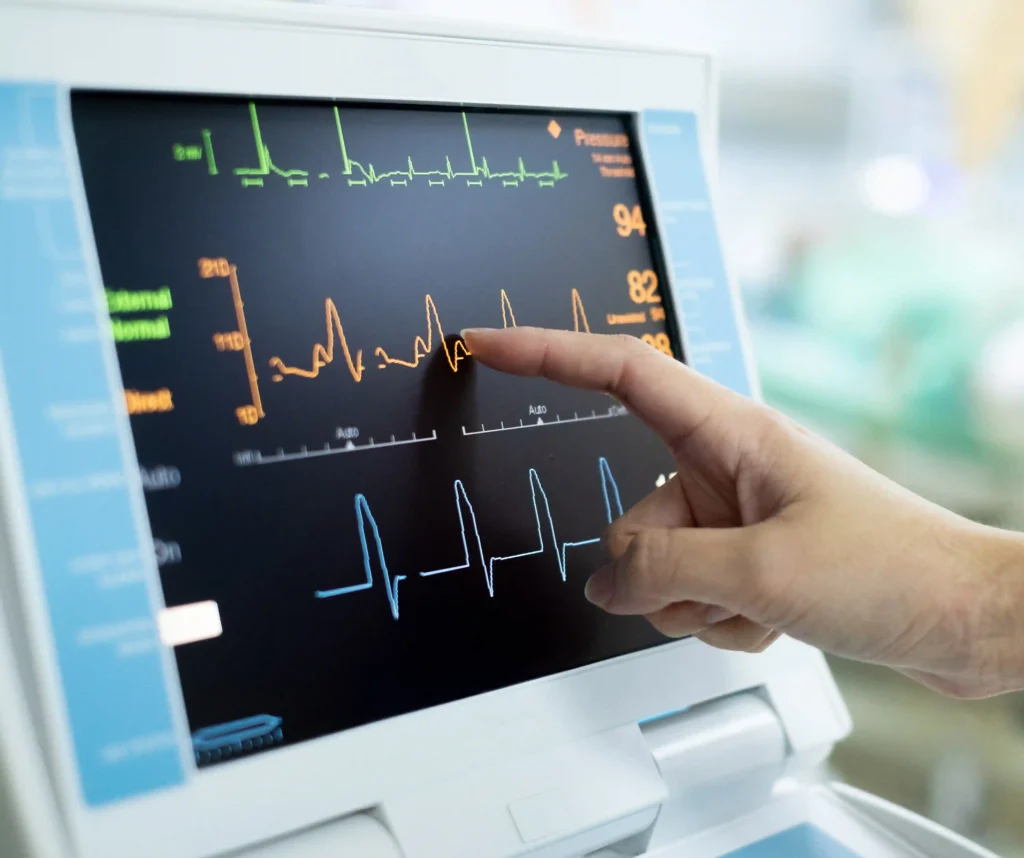
Cardiac symptoms move to the front of the line, whether you arrive by ambulance or through the front door.
Within minutes of arrival:
Vitals, oxygen, and a description of your symptoms and their timeline.
Performed first, typically within the first several minutes, and read by a board-certified emergency physician on the spot.
Your rhythm is watched continuously while the workup proceeds.
Cardiac enzymes, plus a broader panel to identify or exclude other causes of your symptoms.
A chest X-ray or CT rules out other dangerous causes, and echocardiography assesses how the heart is pumping.
Your physician determines whether this is a cardiac event and what happens next.
Everything runs in parallel rather than in sequence, because cardiac emergency care is measured in minutes of heart muscle. If the chest discomfort turns out to be something else, we will find that too.

Here is what an honest freestanding ER tells you. A confirmed heart attack usually needs a catheterization lab, and that lives inside a hospital. We do not perform cardiac catheterization, angioplasty, or stent placement, and any emergency room promising a heart attack with no transfer is describing something that does not exist.
What we do is compress the clock before the transfer. We diagnose the heart attack, stabilize you, begin treatment, and coordinate directly with the receiving cardiac team so the hospital is expecting you and ready. Arriving at a cath lab already diagnosed, with an EKG transmitted and a physician-to-physician handoff completed, is faster than arriving undiagnosed.
The first stop is not the last stop. It is the one that decides how quickly the last stop can act.
Jaw pain, arm ache, nausea, and fatigue get an EKG here, not a shrug.
Onsite EKG, cardiac enzyme testing, imaging, and echocardiography run under one roof with no referrals.
Most patients reach an exam room within minutes, which is the entire point when heart muscle is on a clock.
Our doctors distinguish a cardiac event from the many conditions that mimic it, then act.
If you need a cath lab, we diagnose, stabilize, and hand you off to a team already expecting you.
Heart attack treatment Coppell families can afford: we accept most major insurance plans and offer flexible payment plans through Sunbit.
Searching for a heart attack emergency room near you? Coppell ER sits on North Denton Tap Road and provides 24/7 cardiac emergency care with onsite EKG, cardiac enzyme testing, imaging, and continuous monitoring.
We serve patients from:
For an active heart attack, call 911. For symptoms you cannot explain and will not stop thinking about, walk in. Heart attack treatment Coppell residents can reach in minutes, open day and night, holidays included.
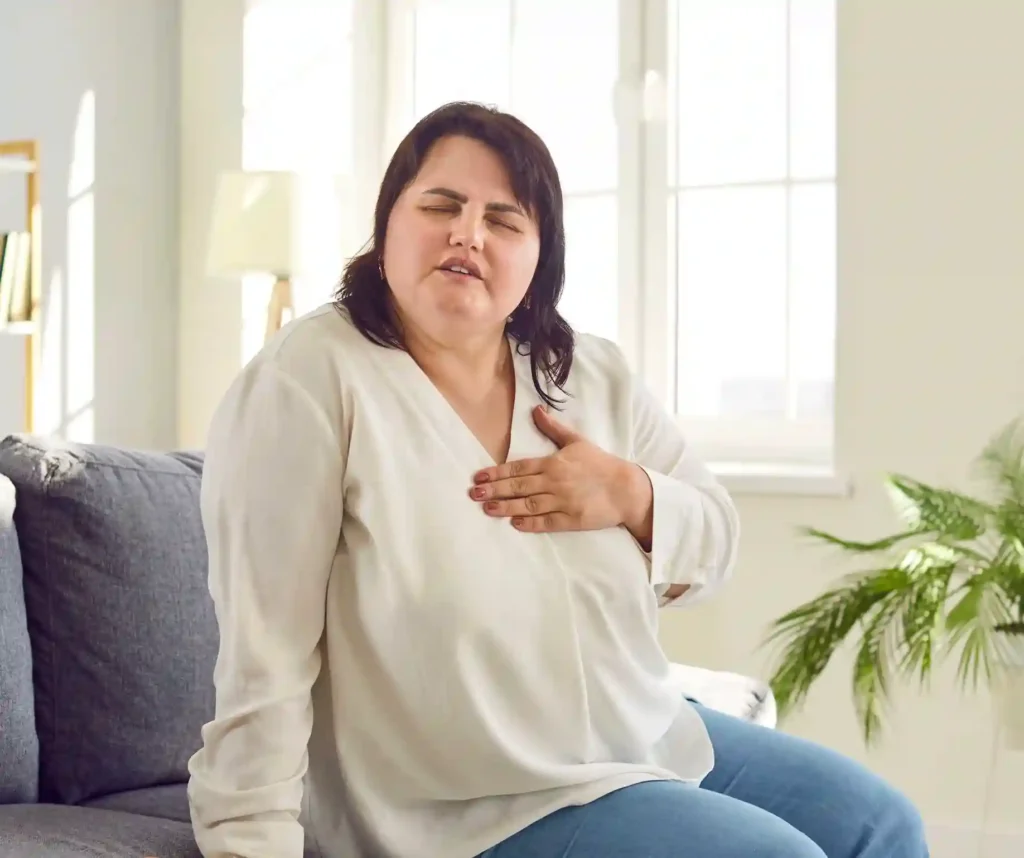
Heart attacks favor early mornings and ordinary Tuesdays. They rarely wait for a convenient hour, and they rarely feel the way people expect.
If something in your chest, jaw, arm, or breathing has you uneasy, do not talk yourself out of it. Call 911 if the symptoms are severe. Otherwise walk in, and we will run the tests that settle it.
Call Now: 469-763-3136
Hours: 24/7/365
Walk-In: Coppell ER | 720 N Denton Tap Rd, Coppell, TX 75019
Yes. Many present as jaw, neck, back, or arm pain, shortness of breath, nausea, or extreme fatigue with no chest discomfort at all. These are more common in women, older adults, and people with diabetes.
A silent heart attack damages the heart muscle without recognizable symptoms. Roughly one in five heart attacks is silent. It is often discovered later on an EKG, which is why unexplained fatigue or mild discomfort deserves evaluation.
Call 911. Paramedics can run an EKG on the way and restart your heart if it stops. Driving risks both. If you are already here and unsure what you are feeling, we will evaluate you immediately.
It measures troponin, released when heart muscle is damaged. Elevated or rising levels indicate a cardiac event. Because troponin climbs over hours, repeat testing often matters more than a single result.
No. Urgent care lacks cardiac enzyme testing, continuous monitoring, and the ability to act on a positive result. A heart attack emergency room provides the diagnosis and the pathway to treatment in one visit.
If it is a confirmed heart attack, most likely yes, because definitive treatment happens in a catheterization lab. We diagnose, stabilize, and coordinate directly so the cardiac team is ready before you arrive.
Yes. Walk in any hour without an appointment. We accept most major insurance plans and offer flexible payment plans through Sunbit.
Need help?