You cannot feel your blood pressure. During a hypertensive crisis, you feel the organ it is straining, a pounding headache, blurred vision, chest tightness, or sudden weakness, and which symptom appears tells our physicians which organ is at risk.
ER of Coppell evaluates it around the clock with onsite CT, EKG, and blood work that check for organ damage within the hour. If a severe reading comes with stroke signs, chest pain, or trouble breathing, call 911 first. Otherwise, walk in and get a fast answer.
Call Now: 469-763-3136
Hours: 24/7/365; walk-ins welcome
Walk-In: Coppell ER | 720 N Denton Tap Rd, Coppell, TX 75019
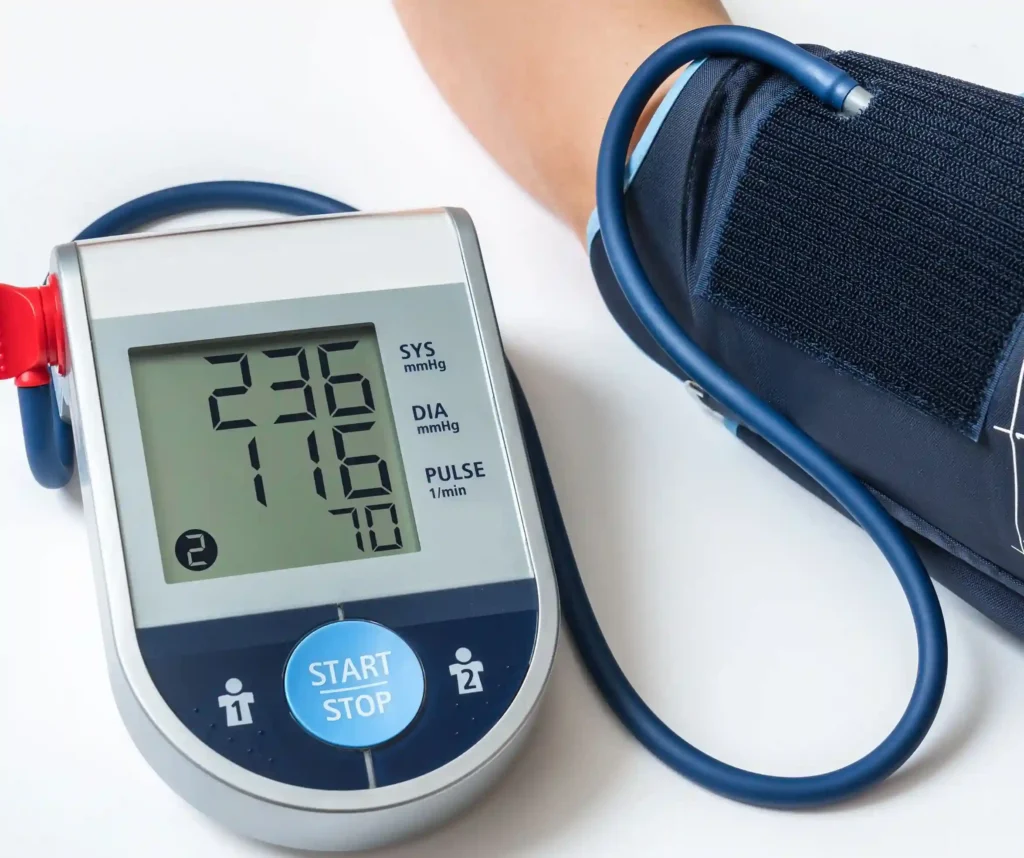
A hypertensive crisis becomes an emergency the moment severely high blood pressure starts damaging an organ. A reading at or above 180/120 mmHg is the warning line. Paired with new symptoms, it signals a high blood pressure emergency that needs evaluation right away.
Call 911 now if a high reading comes with:
One thing people misread: a dangerous reading can arrive with no headache at all, and a very high number with no symptoms is not automatically safe. Not every severe reading is a full emergency either. Severe high blood pressure without organ symptoms, sometimes called hypertensive urgency, still needs prompt care, just not always by ambulance. Knowing which situation you are in is exactly what an emergency evaluation is for.
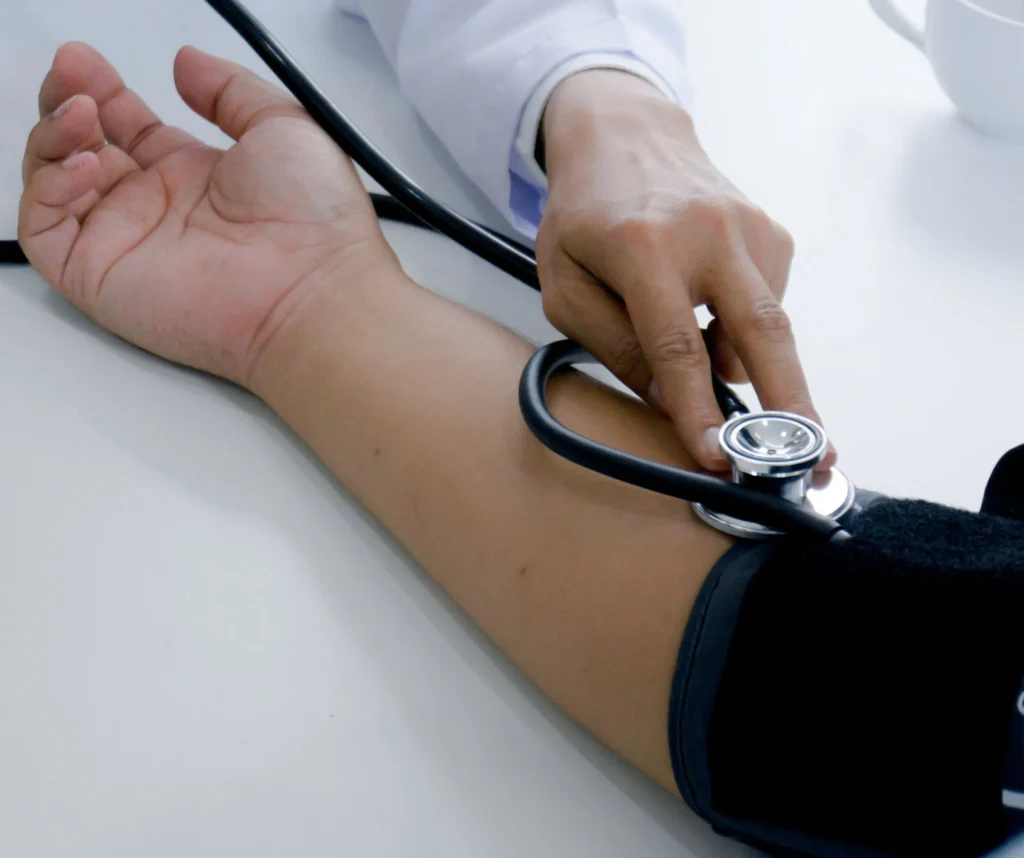
During a hypertensive emergency, the pressure itself is silent. What you notice is the organ under strain, and each symptom points to a different one. These hypertensive crisis symptoms cluster by organ, which is why our physicians treat what you feel as a map to the organ that needs checking first.
These are the hypertensive crisis symptoms that change the plan the second you describe them.
A home monitor showing 190/120 is frightening, and the right next step depends on how you feel. If you have none of the emergency symptoms above, a hypertensive crisis reading still calls for a calm, quick plan rather than panic.
This is where an emergency room earns its place over guesswork at home: we can lower the pressure safely while watching for the damage a home cuff cannot see.

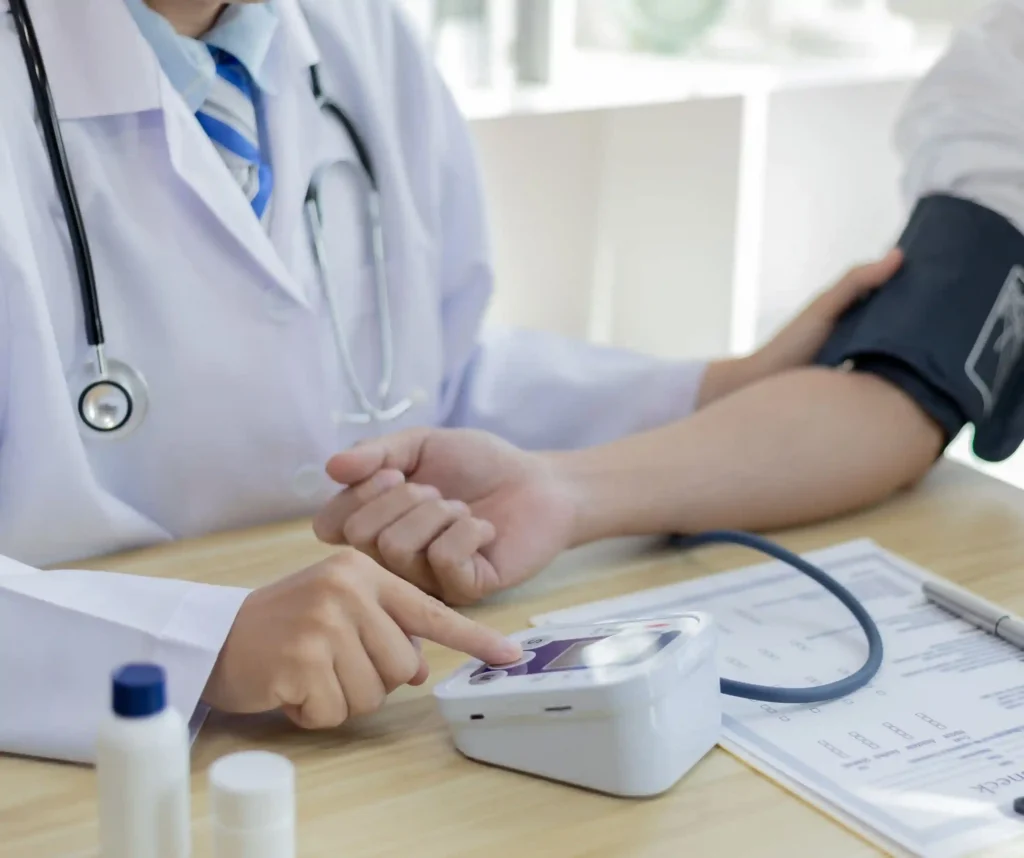
From your first minutes at Coppell ER, the goal is a clear answer: is this severe high blood pressure alone, or is an organ already affected? A board-certified emergency physician orders the tests that separate the two, and most patients have that answer within the hour.
Everything sits under one roof, so results come back in minutes rather than days. When a case needs a hospital’s cardiology or stroke team, we lower the pressure, stabilize you, and hand you to a team already expecting you.
Hypertensive crisis treatment starts by lowering blood pressure at a controlled pace, not as fast as possible. Dropping the number too quickly can starve the very organs we are trying to protect, so treatment is measured, monitored, and matched to what the tests reveal.
For severe high blood pressure without organ damage, treatment is gentler and often oral, with a plan to reconnect you with ongoing care.


For billing-related queries, contact us at:
Phone: (817) 785-8000
Email: info@aimbillingsolutions.com
Searching for hypertensive crisis treatment near you? ER of Coppell sits on North Denton Tap Road and treats severe blood pressure emergencies 24 hours a day, every day of the year.
We serve Coppell, Irving, Grapevine, Lewisville, Flower Mound, and Carrollton. As a full emergency room in Coppell, we stay open nights, weekends, and holidays, with walk-ins welcome and no appointment needed.
A very high reading is a warning. Whether it turns into lasting damage depends on how fast someone checks the organ behind the symptom, and that window is measured in minutes, not days.
ER of Coppell keeps that window open with onsite testing, emergency physicians, and a direct line to hospital teams when they are needed. If your pressure is dangerously high, come in and let us find out what it is doing before it does more.
Call Now: 469-763-3136
Hours: 24/7/365; walk-ins welcome
Walk-In: Coppell ER | 720 N Denton Tap Rd, Coppell, TX 75019
A hypertensive crisis is a blood pressure reading at or above 180/120 mmHg. It splits into two levels: urgency, where no organ is yet harmed, and emergency, where the heart, brain, kidneys, or eyes show signs of damage that need immediate care.
There is no single stroke number, but readings at or above 180/120 mmHg sharply raise stroke risk. Pair that with face drooping, arm weakness, or slurred speech and you should call 911, because those signs point to a high blood pressure emergency affecting the brain.
Yes. Blood pressure itself causes no sensation, so a hypertensive emergency can begin silently while organs are quietly harmed. This is why a very high reading is worth checking even when you feel fine, since testing is the only way to catch internal damage early.
We confirm your pressure, run an EKG and blood work, and image the brain when needed, all to find any organ damage. If treatment is required, we lower your blood pressure in a controlled way while watching how your body responds.
It varies. In a hypertensive emergency, damage can begin within hours, sometimes faster for the aorta or brain. The speed of the rise matters as much as the number, which is why sudden severe spikes are treated urgently rather than watched at home.
No appointment is needed. Walk in any hour, day or night, including holidays. We accept most major insurance plans and offer flexible payment plans through Sunbit, and Texas law requires emergency visits to be processed at in-network benefit levels.
Need help?