
Between 2023 and 2025, measles cases in the U.S. surged to levels not seen in over a decade. Whooping cough hospitalizations rose sharply. Flu seasons hit harder and earlier. The pattern is consistent, and the underlying driver is not a new pathogen. It is a familiar one: vaccine fatigue.
Vaccine fatigue is the growing tendency to skip, delay, or deprioritize recommended immunizations, not out of firm opposition, but out of complacency, exhaustion with public health messaging, or a fading sense of urgency. The result is a preventable diseases surge that is sending more patients to the ER with complications that didn’t need to happen.
What Is Vaccine Fatigue?
Vaccine fatigue is a decline in motivation to stay current with immunizations, even among people who are not opposed to vaccines in principle. It is distinct from outright vaccine refusal. Most people experiencing vaccine fatigue accepted childhood vaccinations, got their initial COVID shots, and generally trust their doctors. They simply stopped keeping up.
Common patterns include:
- Skipping annual flu shots
- Delaying or forgetting booster doses
- Assuming that childhood vaccines provide lifelong protection
- Feeling that the risk of infection is low enough to skip vaccination altogether
This shift is subtle, which is what makes it dangerous. Unlike vocal anti-vaccine movements, vaccine fatigue doesn’t generate headlines. It erodes immunity quietly, across entire communities, until an outbreak reveals the gap.
How Vaccine Fatigue Drives the Preventable Diseases Surge
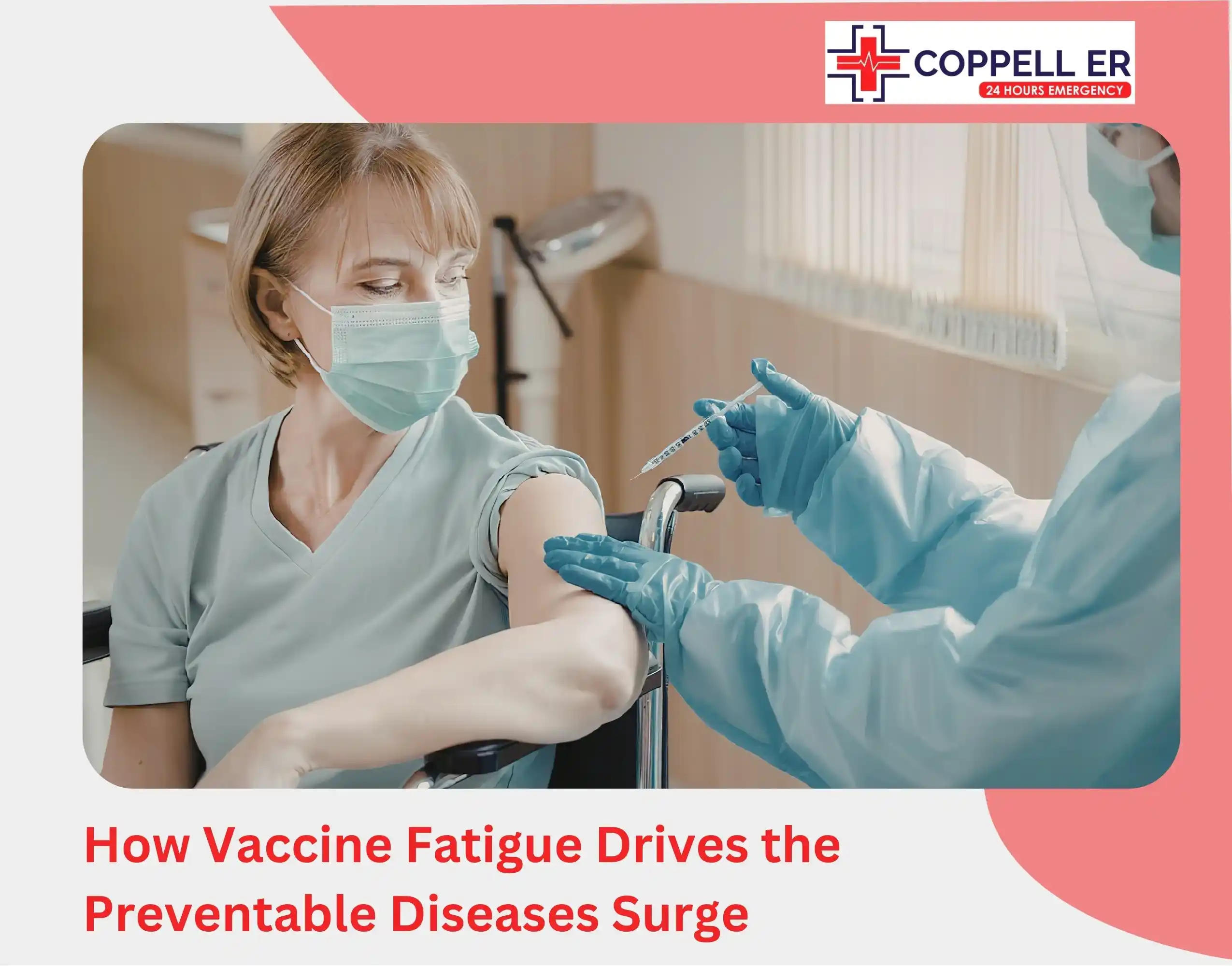
The connection between vaccine fatigue and rising infection rates is direct. When fewer people maintain immunity, the community-wide protection that keeps outbreaks contained weakens. Pathogens that were once held in check by high vaccination rates find pockets of vulnerability and spread.
1. Declining Immunization Coverage
Immunization rates for MMR (measles, mumps, rubella) dropped below the 95% threshold needed to maintain herd immunity in multiple U.S. states. Flu vaccination rates among adults have hovered around 40%, well below the levels needed to blunt seasonal surges. These gaps give viruses a running start each season.
2. Re-Emergence of Preventable Diseases
The vaccine hesitancy effects are now visible in ER waiting rooms. Measles, a disease declared eliminated in the U.S. in 2000, has staged repeated outbreaks in undervaccinated communities. Pertussis (whooping cough) cases have climbed. RSV and flu seasons are hitting harder, with higher hospitalization rates among unvaccinated populations.
3. Increased Transmission in Communities
Lower immunity levels mean viruses circulate longer, increasing the chances of outbreaks and severe infections.
4. Vulnerable Populations at Risk
Infants too young for vaccination, elderly adults with waning immunity, pregnant women, and immunocompromised patients all depend on the people around them being vaccinated. When vaccine fatigue thins that protective layer, these groups face the greatest risk of severe illness. Many of them end up needing ER treatment for infections that the surrounding community could have prevented.
Infants, elderly individuals, and immunocompromised patients rely on community immunity. Vaccine fatigue puts them at higher risk.
Which Preventable Diseases Are Surging?
The preventable diseases surge is not limited to one infection. Several vaccine-preventable illnesses are showing increased activity:
- Measles is highly contagious, spreading through airborne droplets that can linger in a room for up to two hours after an infected person leaves. Complications include pneumonia, encephalitis (brain swelling), and in rare cases, a fatal degenerative brain condition called SSPE that appears years after infection.
- Pertussis (whooping cough) is particularly dangerous for infants under 12 months, who are too young to be fully vaccinated. The hallmark coughing fits can cause vomiting, rib fractures, and oxygen deprivation. Most infant pertussis deaths occur in babies under 3 months old.
- Influenza causes between 140,000 and 710,000 hospitalizations annually in the U.S., according to CDC estimates. Vaccine fatigue contributes to lower flu shot uptake, which correlates directly with more severe flu seasons and more ER visits.
- COVID-19 continues to cause hospitalizations among unvaccinated or undervaccinated populations, particularly older adults and those with chronic conditions. The virus has shifted from pandemic to endemic status, but its capacity for severe illness in vulnerable groups remains.
- RSV now has preventive options (maternal vaccination and monoclonal antibodies for infants) that are underutilized partly due to the same vaccine fatigue affecting other immunizations.
These infections can lead to complications requiring ER treatment infections management.
When Preventable Diseases Become Emergencies
Most vaccine-preventable infections cause mild to moderate illness that resolves at home. But without the partial protection that vaccination provides, infections hit harder and complications develop faster.
Seek ER treatment for infections immediately if you or your child experiences:
- Difficulty breathing, rapid breathing, or wheezing
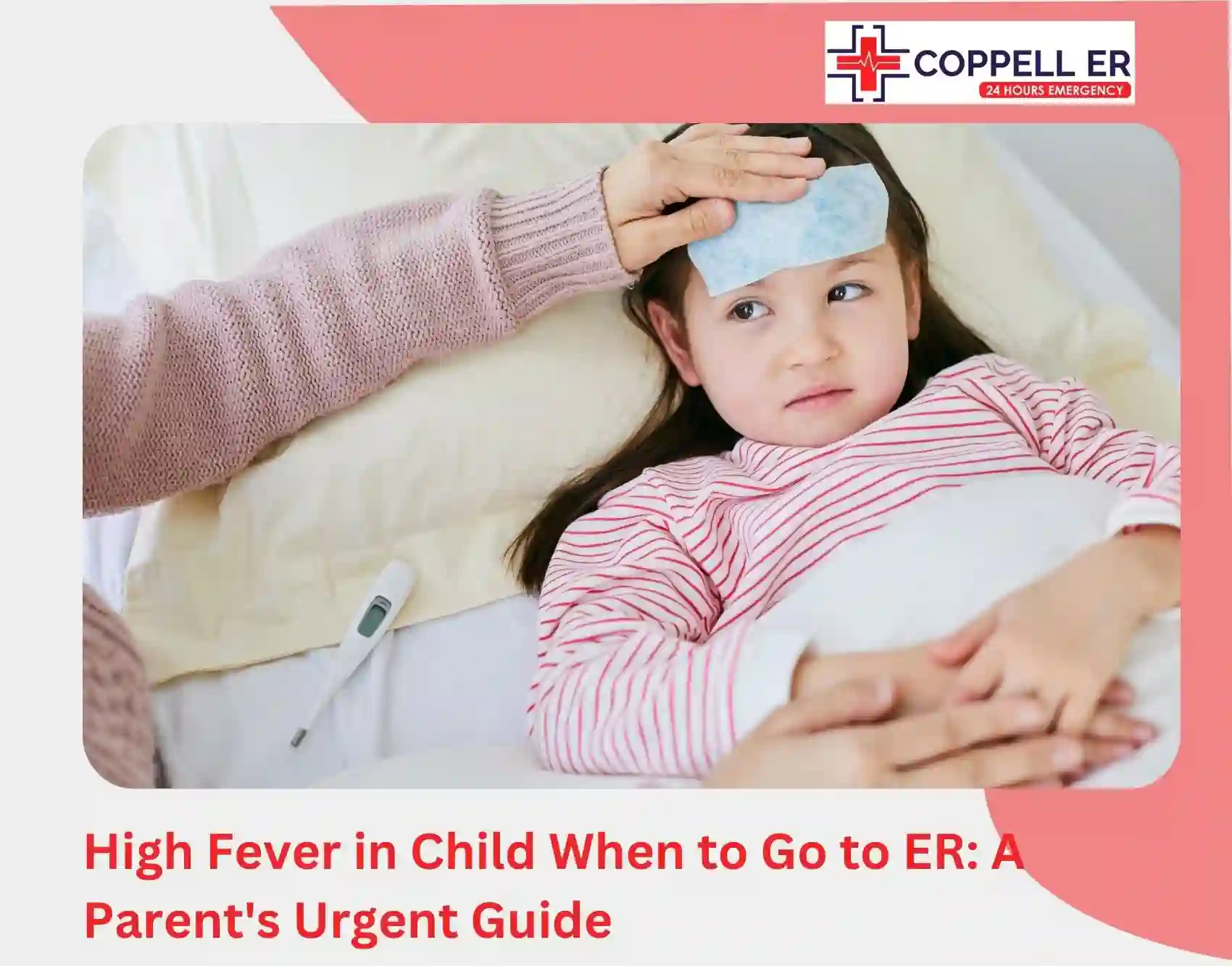
- Fever above 104°F in any age group, or any fever in infants under 3 months
- Signs of dehydration: no urination for 8+ hours, dry mouth, no tears, dizziness
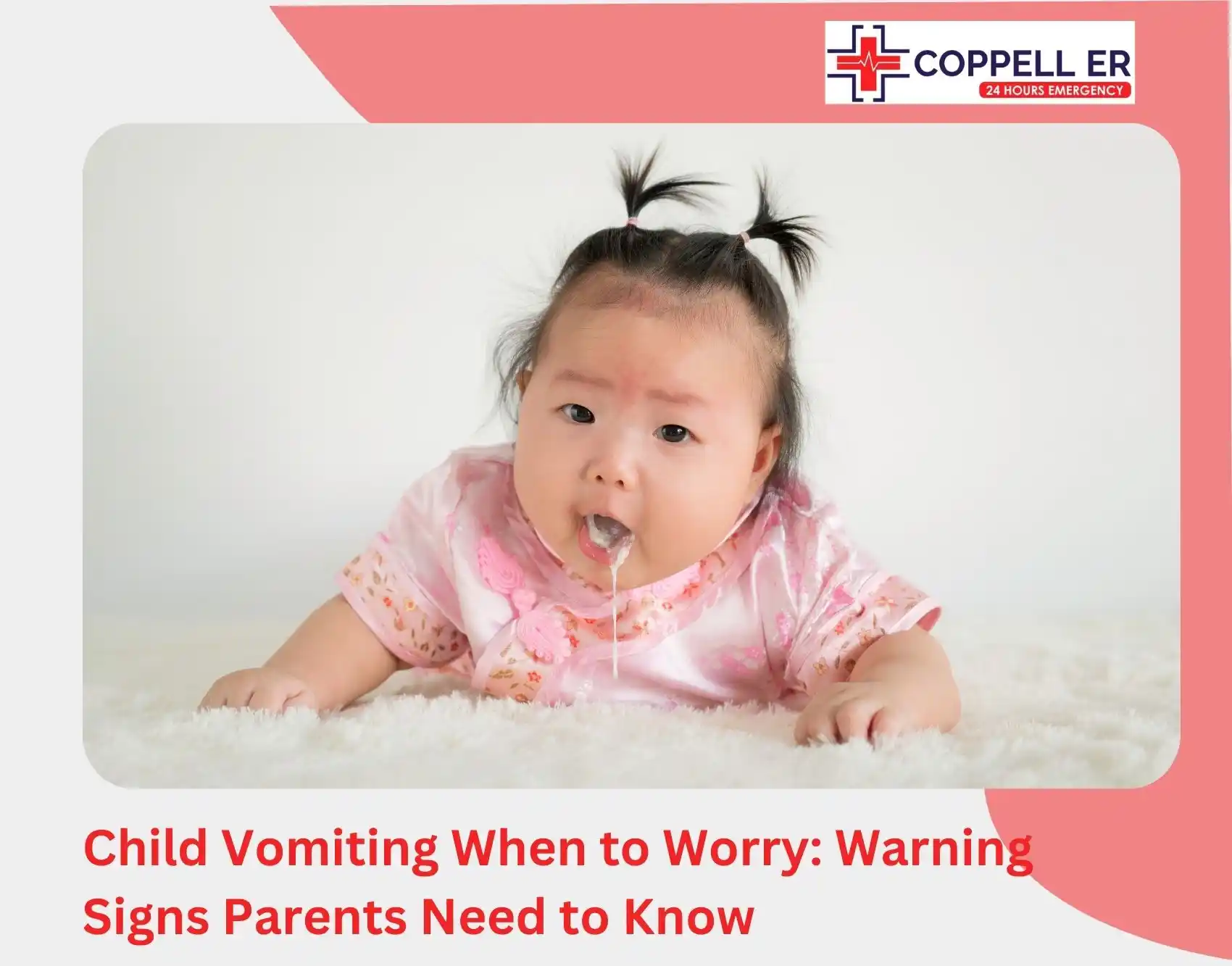
- Persistent vomiting
- Confusion, disorientation, or difficulty waking
- Seizures
- Rash spreading rapidly with high fever
- Signs of respiratory infection
The vaccine hesitancy effects in emergency medicine are measurable. Unvaccinated patients with flu are more likely to develop pneumonia. Unvaccinated children with measles face a 1 in 4 chance of hospitalization. These are not abstract statistics. They are the cases filling ER beds that didn’t need to be filled.
Why ER Visits Are Increasing

The link between vaccine fatigue and rising ER volumes follows a predictable pattern.
Delayed Prevention Leads to Severe Illness
Patients who skip vaccinations don’t just get sick more often. They get sicker. Without the immune priming that vaccines provide, the body fights harder, symptoms escalate further, and the window for outpatient treatment narrows. By the time many patients seek care, they need emergency intervention rather than a prescription.
Missed Early Treatment Compounds the Problem
Vaccine fatigue often correlates with delayed care-seeking in general. Patients who don’t prioritize preventive shots may also wait longer before seeing a doctor when symptoms appear, arriving at the ER with advanced infections that are harder and more resource-intensive to treat.
Emergency Rooms Absorb the Downstream Impact
When primary care and preventive systems fail to maintain vaccination coverage, the ER becomes the safety net. It is not designed for that role, and the increased volume strains staffing, bed availability, and resources for patients with non-preventable emergencies.
How Infections Are Treated in the ER
ER treatment caused by vaccine-preventable diseases focuses on stabilization, symptom management, and preventing complications. ER treatment infections varies by condition but commonly includes:
- Oxygen therapy for breathing difficulty
- IV fluids for dehydration
- Antiviral or antibiotic treatment (depending on infection)
- Monitoring vital signs and organ function
- On-site laboratory testing to confirm the pathogen and guide targeted treatment
- Isolation protocols to protect other patients and staff from contagious infections
At Coppell ER, our pediatric care team treats children with severe infections 24/7, including cases of respiratory distress, dehydration, and high fevers that don’t respond to medication at home. Our on-site labs return results within minutes, allowing our emergency physicians to confirm the diagnosis and start treatment without delay.
For patients requiring hospitalization, specialized interventions, or intensive care, we stabilize and coordinate rapid transfer to the appropriate facility.
How to Overcome Vaccine Fatigue
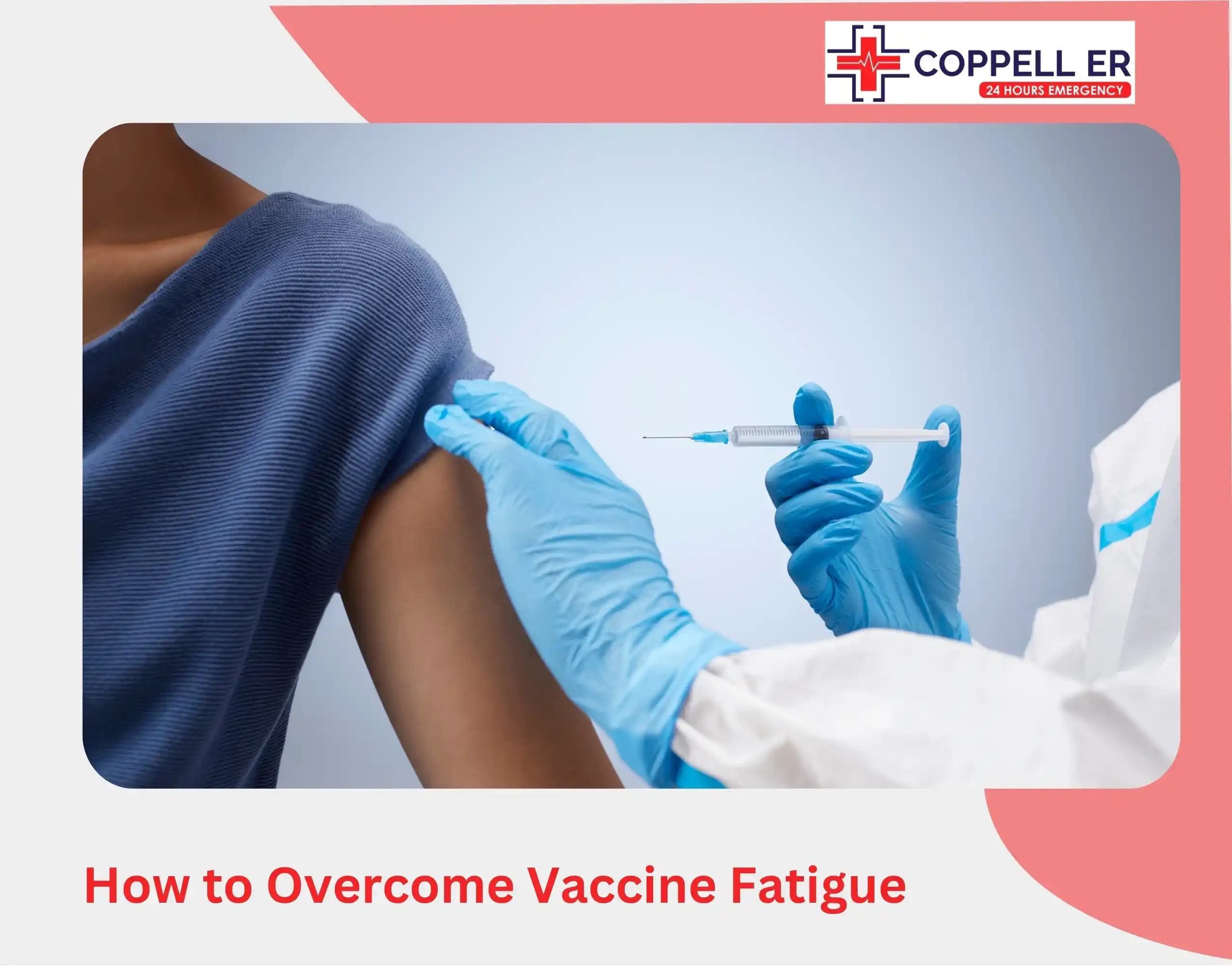
Vaccination is a primary care function, not an emergency room service. But the consequences of skipping vaccines frequently land in the ER. Taking these steps can reduce that risk:
1. Stay Current, Not Just Initially Vaccinated
Childhood vaccines lose effectiveness over time without boosters. Flu and COVID vaccines need annual updates. Checking your immunization status with your primary care provider takes minutes and can prevent weeks of illness.
2. Separate Fatigue from Risk Assessment
Feeling tired of vaccine messaging is understandable. But the diseases those vaccines prevent haven’t gotten tired. Measles, whooping cough, and flu are just as dangerous as they were before public attention shifted elsewhere.
3. Protect Those Who Can’t Protect Themselves
Newborns, elderly family members, and immunocompromised loved ones rely on the people around them to maintain immunity. Vaccine fatigue in one person can mean a hospital stay for another.
4. Talk to Your Doctor
If you have concerns about specific vaccines, side effects, or schedules, a conversation with your physician is more reliable than any online source. Most concerns have straightforward, evidence-based answers.
Key Takeaway
Vaccine fatigue is not dramatic or headline-grabbing. It is quiet, gradual, and cumulative. But its consequences are showing up clearly in rising ER visits for infections that vaccines would have prevented or softened.
If you or your child develops severe symptoms from any infection, especially difficulty breathing, high fever, dehydration, or confusion, seek ER treatment for infections immediately.
Coppell Emergency Room is open 24/7 with on-site labs, imaging, and board-certified emergency physicians ready to treat complications from respiratory infections, febrile illness, and more. Walk in anytime or call 469-763-3136.
Frequently Asked Questions (FAQs)
1. What causes vaccine fatigue?
Vaccine fatigue is often caused by repeated public vaccination campaigns that create messaging exhaustion, a declining perception of disease risk, and general complacency when vaccination feels routine rather than urgent. It is not the same as ideological vaccine refusal.
2. Which diseases are increasing due to vaccine fatigue?
Measles, pertussis (whooping cough), influenza, and RSV-related hospitalizations have all risen in regions with declining vaccination rates. COVID-19 continues to cause preventable hospitalizations among unvaccinated older adults and immunocompromised individuals.
3. When should I go to the ER for an infection?
Seek emergency care if you experience difficulty breathing, high fever, signs of dehydration, persistent vomiting, confusion, seizures, or a rapidly spreading rash with fever. These indicate complications that require immediate medical intervention.
4. Can vaccines still prevent severe illness if I’m behind schedule?
Yes. Catching up on missed vaccines still provides significant protection. Even partial vaccination reduces the risk of severe disease, hospitalization, and death. Your primary care provider can review your immunization history and recommend a catch-up schedule.
5. Does Coppell ER offer vaccinations?
Coppell Emergency Room is an emergency care facility, not a vaccination clinic. We treat the complications of vaccine-preventable diseases when they become emergencies. For routine vaccinations, contact your primary care physician, local pharmacy, or public health department.