
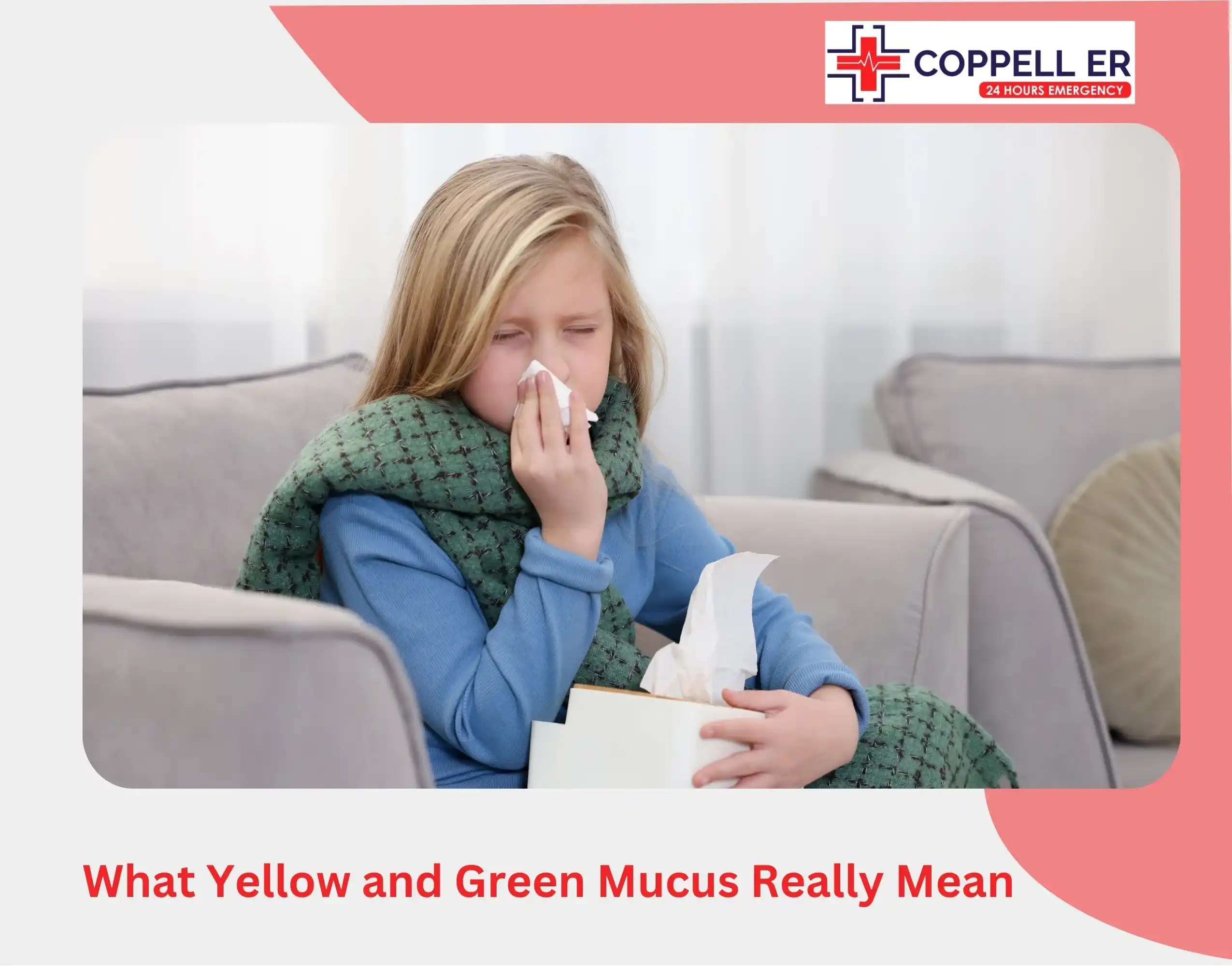
When comparing yellow vs green mucus, the color difference often reflects the stage of your body’s immune response. Yellow mucus typically means your immune system is fighting an infection, such as a cold or sinus infection, and white blood cells have gathered to combat it. In the yellow vs green mucus comparison, green mucus usually indicates that the immune response has been active for a longer period. The darker green color comes from dead white blood cells and the enzymes they release while helping your body fight off illness. Both colors can appear with viral OR bacterial infections, so color alone does not mean you need antibiotics.
The bigger question isn’t yellow vs green — it’s how long the symptoms have lasted and what else is going on. Mucus that stays colored for more than 10 days, comes with high fever, facial pain, or worsening symptoms after initially improving, may signal a bacterial infection that needs medical evaluation.
| 💡 The Most Common Mucus Myth
Green mucus = bacterial infection = need antibiotics. This is wrong. Mayo Clinic, Cleveland Clinic, and the CDC all confirm that mucus color alone is not a reliable indicator of bacterial infection. Most green-mucus illnesses are viral and resolve without antibiotics. |
1. Why Mucus Changes Color in the First Place
Mucus is your body’s first line of defense. Your nose, sinuses, throat, and lungs produce roughly a liter of it every day. Its job is to trap dust, bacteria, viruses, and other particles before they reach your lungs. When the body is healthy, this mucus is clear and you swallow most of it without noticing.
Color shifts happen when your immune system activates. Here’s the simple progression:
- Clear → your normal state, no infection or significant irritation
- White/cloudy → mucus is thicker due to congestion or early viral activity
- Yellow → white blood cells (neutrophils) have arrived to fight invaders
- Green → more white blood cells have come, fought, died — their breakdown products create the deeper color
- Other colors (red, brown, black) → bleeding, irritation, or environmental exposure
The takeaway: yellow and green don’t mean different infections — they often represent different stages of the same one.
2. What Yellow Mucus Means
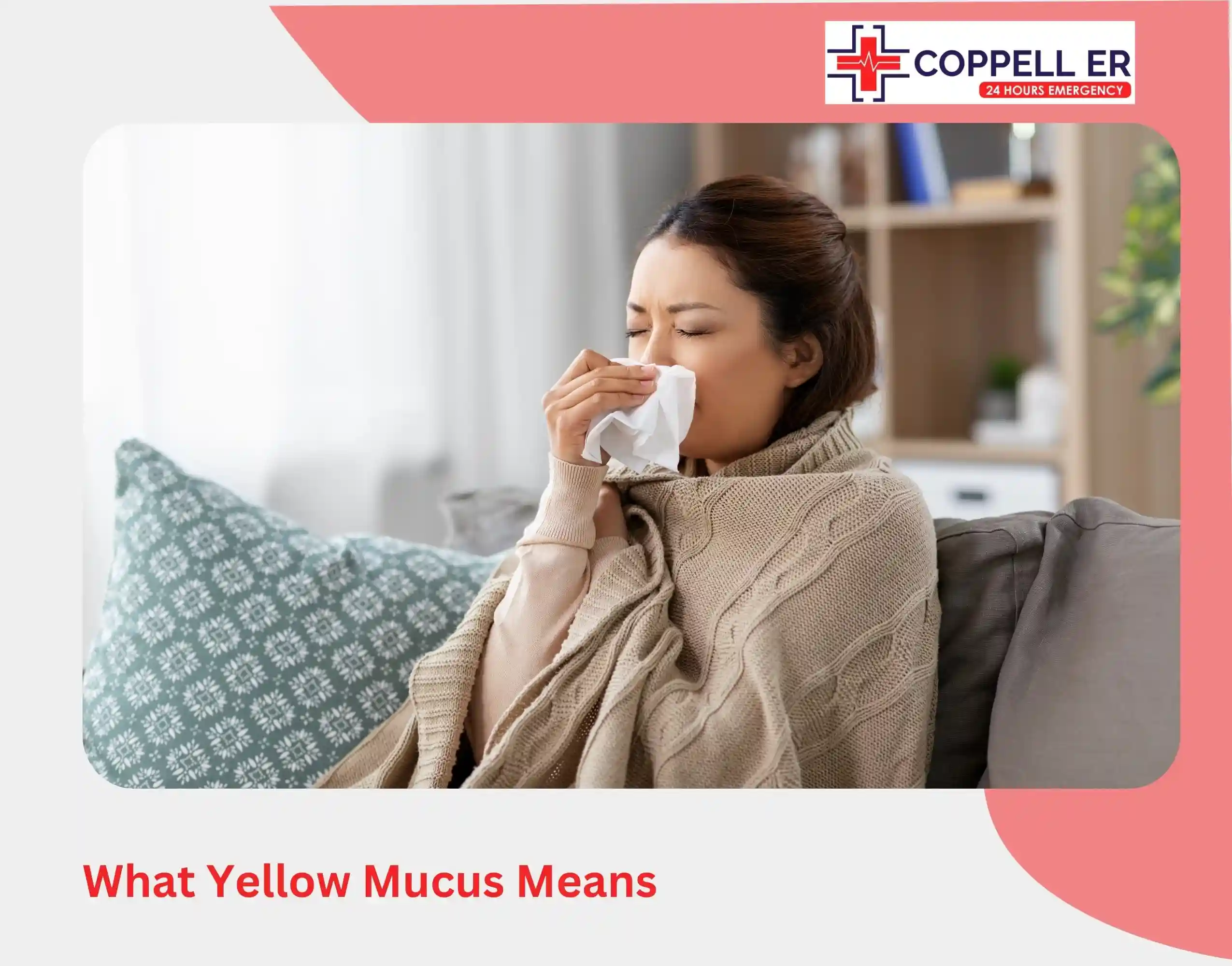
Yellow mucus usually shows up a few days into an illness. It signals that your immune system is engaged. The yellow color comes from neutrophils — white blood cells that release a greenish enzyme called myeloperoxidase. In smaller quantities, this enzyme tints mucus yellow.
Common Causes of Yellow Mucus
- Common cold (viral upper respiratory infection)
- Flu (influenza)
- COVID-19 or other respiratory viruses
- Early stage sinus infection (sinusitis)
- Allergies that have progressed to inflammation
- Bronchitis (when coughed up as yellow phlegm)
- Early stage respiratory infections
What Yellow Mucus Does Not Mean
Yellow mucus does not automatically mean you have a bacterial infection. It does not automatically mean you need antibiotics. It does not automatically mean you’re getting worse — many colds normally cycle through clear → white → yellow as part of healing.
When Yellow Mucus Is Worth Watching
See a healthcare provider if yellow mucus comes with:
- Fever over 100.4°F lasting more than a few days
- Severe facial pain or pressure around the eyes, cheeks, or forehead
- Tooth pain (especially upper teeth)
- Symptoms lasting more than 10 days without improvement
- Symptoms that improved and then suddenly got worse
3. What Green Mucus Means
Green mucus typically appears later in an illness than yellow mucus. It’s not a sign that things have escalated to something more serious — it’s a sign your body has been fighting for a while. The deeper green color comes from larger amounts of myeloperoxidase enzyme released by dying white blood cells, along with debris from the immune response.
Common Causes of Green Mucus
- Mid-to-late stage cold or flu
- Sinus infection (sinusitis) — viral or bacterial
- Bronchitis (when coughed up as green phlegm)
- Pneumonia (especially with fever and breathing difficulty)
- Mucus that has been sitting in the sinuses for hours, especially overnight
- Recovery phase of many viral infections
Why Green Mucus Gets a Bad Reputation
For decades, doctors and patients assumed green mucus meant bacteria. This idea still drives a huge number of unnecessary antibiotic prescriptions. Multiple studies — and guidance from Mayo Clinic, Cleveland Clinic, and the CDC — have shown the same color changes happen with viral infections, which antibiotics do nothing to treat.
When Green Mucus Is Worth Watching
Green mucus deserves medical attention when it’s paired with:
- Persistent green mucus for more than 10 to 12 days
- Fever above 100.4°F, especially if rising
- Facial pain, sinus pressure, or headache that’s worsening
- Cough producing green phlegm with chest pain or shortness of breath
- Symptoms that briefly improved and then worsened (“double-sickening” pattern, sometimes seen with bacterial sinusitis)
- Coughing up significant amounts of thick green phlegm with feeling generally unwell
4. Yellow vs Green Mucus — Side by Side
| Yellow Mucus | Green Mucus | |
| Typical timing | Days 2–5 of illness | Days 5–10 or later |
| What it signals | Immune system is responding | Immune system has been working longer and harder |
| Common cause | Cold, flu, early sinus infection | Mid-to-late cold, sinus infection, bronchitis |
| Viral or bacterial? | Can be either | Can be either |
| Needs antibiotics? | Not based on color alone | Not based on color alone |
| Concern level | Usually low — normal part of healing | Low to moderate — depends on duration and other symptoms |
| See a doctor if… | Fever, severe pain, or 10+ days without improvement | Persists past 10 days, fever, facial pain, or symptoms worsen |
5. Other Mucus Colors — The Full Spectrum
Mucus comes in more colors than just yellow and green. Here’s what the rest of the spectrum tells you.
Clear Mucus
This is your normal state. Allergies, environmental irritants like dust or smoke, or the very early stage of a viral infection can increase clear mucus production. Generally not a cause for concern unless it’s persistent and disrupting daily life.
White or Cloudy Mucus
Usually means congestion. Mucus moves more slowly when you’re congested, loses some of its water content, and turns cloudy or white. Common with early colds, allergies, or dehydration. Drinking more water often helps.
Pink or Red Mucus
Blood in mucus. Most common cause is dry nasal tissue or repeated nose-blowing breaking small blood vessels. Generally not serious if it’s a small streak and clears up quickly. But pink frothy mucus coughed up from the lungs can be a sign of heart failure or pulmonary edema — that’s an emergency.
Brown or Rust-Colored Mucus
Usually older blood mixed with mucus, or environmental exposure (smoking, working around dust, dirt, or pollution). Rust-colored phlegm in particular can be a classic sign of pneumonia and warrants medical evaluation, especially with fever or breathing difficulty.
Black Mucus
Most often comes from smoking, heavy air pollution, or working in environments with significant dust or soot. Rarely, black mucus can signal a serious fungal infection, especially in people with weakened immune systems. Persistent black mucus should be evaluated by a doctor.
6. When Mucus Color Actually Matters Medically
Color is one data point, not the whole story. Here’s what doctors actually look at when evaluating respiratory symptoms:
Duration
Symptoms lasting longer than 10 days without improvement are a stronger signal of bacterial involvement than color is. Most viral illnesses resolve within a week to 10 days.
Symptom Severity
High fever, severe pain, significant fatigue, or symptoms that are clearly worsening matter more than the shade of your mucus.
Symptom Pattern
The “double-sickening” pattern — initial improvement followed by sudden worsening — is a recognized clinical sign that a viral infection may have been complicated by a secondary bacterial infection. This pattern, not color, is one of the indicators doctors use to consider antibiotics.
Paired Symptoms
Facial pain, sinus pressure, tooth pain (especially upper teeth), high fever, chest pain, or shortness of breath are far more diagnostically useful than the color of your mucus alone.
Underlying Health
People with weakened immune systems, asthma, COPD, cystic fibrosis, or other chronic conditions need evaluation sooner than otherwise healthy people. Their illnesses can progress faster.
7. When to See a Doctor vs Go to the ER
See a Doctor (or Visit Urgent Care) If You Have:
- Yellow or green mucus that’s lasted longer than 10 days
- Fever above 100.4°F that won’t go down or is rising
- Severe facial pain, sinus pressure, or headache
- Tooth pain along with sinus symptoms
- Recurring sinus infections (more than 4 per year)
- Symptoms that improved then got noticeably worse
- Persistent cough with colored phlegm beyond 2–3 weeks
Go to Coppell ER Right Away If You Have:
- Mucus or phlegm with significant blood
- Pink, frothy sputum coughed up from the lungs
- Severe shortness of breath or trouble breathing at rest
- Chest pain or pressure
- Stiff neck with severe headache and fever (possible meningitis)
- Vision changes, swelling around the eye, or extreme facial pain
- High fever over 103°F with severe respiratory symptoms
- Confusion, severe weakness, or bluish lips
- Persistent black mucus, especially if immunocompromised
| 🚨 Don’t Wait If Warning Signs Appear
Coppell ER is open 24/7 at 720 N Denton Tap Rd, Coppell, TX. Walk in or call 469-763-3136. No appointment needed. Hospital-grade CT, X-ray, and labs on-site. |
8. Home Care That Actually Helps

If your mucus is yellow or green but you don’t have any warning signs and your symptoms are within the normal 7–10 day range, these home-care steps support your body’s natural recovery:
- Drink plenty of fluids — water, broth, herbal tea. Hydration thins mucus and makes it easier to clear.
- Use a saline nasal spray or rinse (like a neti pot with sterile or distilled water) to flush sinuses.
- Run a cool-mist humidifier, especially at night.
- Take a hot shower — the steam loosens mucus.
- Sleep with your head slightly elevated to help drainage.
- Use OTC decongestants short-term if needed (no more than 3 days for nasal sprays).
- Try guaifenesin (Mucinex) to thin chest mucus if you have a productive cough.
- Avoid smoking and secondhand smoke.
- Rest — recovery takes energy.
Skip the urge to ask for antibiotics just because your mucus is colorful. Most colored-mucus illnesses are viral and clear on their own with supportive care. Unnecessary antibiotics increase your risk of side effects and contribute to antibiotic resistance.
9. What Coppell ER Does If Your Symptoms Escalate

Sometimes a sinus infection becomes severe. Sometimes a chest infection turns into pneumonia. Sometimes what looks like a bad cold turns out to be something else entirely. When that happens, you need real diagnostic tools — not a stack of cough drops.
Diagnostics Available On-Site, 24/7
- Chest X-ray for pneumonia, bronchitis, and other lung concerns
- CT scan for sinus complications and advanced respiratory infections
- Full laboratory — blood work, inflammatory markers, cultures
- Rapid tests for flu, COVID-19, strep, and RSV
- Pulse oximetry to measure blood oxygen levels
On-Site Treatment
- IV fluids and IV antibiotics when truly needed
- Nebulizer breathing treatments
- Supplemental oxygen for low oxygen levels
- Steroids for severe inflammation
- Observation for cases that need monitoring
Why Patients Choose Coppell ER
- No appointment needed — most patients go straight to an exam room
- Minimal-to-zero wait times, 24/7
- Board-certified ER physicians on-site every shift
- Hospital-grade equipment in a high-end, private-practice setting
- In-house billing team and a no-surprise-billing policy
- Most commercial insurance accepted (we do not accept Medicare, Medicaid, or Tri-Care)
Frequently Asked Questions
Q: Does green mucus always mean I need antibiotics?
No. Mayo Clinic, Cleveland Clinic, and the CDC all confirm that green mucus does not automatically mean bacterial infection. Both viral and bacterial infections can produce green mucus. Antibiotics only help with bacterial infections and have no effect on viruses. Your doctor decides based on duration, severity, and the full clinical picture — not color.
Q: Is yellow mucus better or worse than green mucus?
Neither is inherently better or worse. Yellow mucus typically shows up earlier in an illness and green appears later. Both signal active immune response. Color matters less than how long symptoms last and what other symptoms are present.
Q: How long should colored mucus last before I see a doctor?
If yellow or green mucus persists longer than 10 days without improvement, see a healthcare provider. The same goes for any symptoms that improved and then suddenly got worse — that pattern can indicate a bacterial infection developed on top of a viral one.
Q: What does green mucus from a cough mean?
Green phlegm coughed up from the chest is usually bronchitis or a mid-to-late stage respiratory infection. Most cases are viral. Green phlegm with fever, chest pain, or shortness of breath should be evaluated to rule out pneumonia.
Q: Why is my mucus thicker and darker in the morning?
Mucus sits in your sinuses overnight, loses water content, and becomes more concentrated. White blood cell debris also accumulates. The result: thicker, darker, sometimes greener mucus in the morning that clears up as you stay hydrated and active during the day. This is normal.
Q: When is colored mucus an emergency?
Go to the ER if you have mucus with significant blood, pink frothy sputum, severe shortness of breath, chest pain, stiff neck with severe headache and fever, vision changes with severe facial pain, or bluish lips. These signs can indicate serious conditions like pneumonia, meningitis, pulmonary edema, or invasive sinus infections.
Q: Can allergies cause yellow or green mucus?
Allergies usually cause clear mucus. If allergies trigger inflammation severe enough to recruit white blood cells, mucus can turn yellow or green. More commonly though, colored mucus during allergy season means a viral infection has joined the party.
Q: Does mucus color help diagnose COVID-19, flu, or strep?
No. Mucus color is not used to distinguish between specific respiratory viruses. Diagnosis requires testing — rapid antigen tests, PCR, or throat swabs. Coppell ER offers rapid testing for COVID-19, flu, strep, and RSV 24/7.
The Bottom Line
Yellow mucus is your immune system getting started. Green mucus is your immune system that has been working for a while. Neither color, by itself, tells you whether you have a virus or bacteria, whether you need antibiotics, or whether you’re getting worse. What actually matters is the bigger picture: how long symptoms have lasted, how severe they are, and whether other warning signs have appeared.
If your symptoms are within the normal recovery window and you don’t have warning signs, focus on hydration, rest, and supportive care. If they cross the 10-day mark, escalate quickly, or come with any of the red flags above, get evaluated. And if any emergency signs appear — significant blood, severe breathing trouble, chest pain, or signs of meningitis — Coppell ER is open 24/7.
| Need Care Now?
Call Coppell ER: 469-763-3136 • Walk in: 720 N Denton Tap Rd, Coppell, TX 75019 • Open 24/7 • No appointment, no wait. |