
It’s tempting to dismiss your back pain as normal aging or just from poor posture. But when it comes to your spine, assuming can be dangerous. What feels like ordinary back pain could actually be a compression fracture of the spine.
Each year, around 1.5 million spinal compression fractures happen in the U.S. They’re common among older adults, especially women. In fact, 1 in 4 women experience a compression fracture of the spine after menopause.1
Let’s explore the warning signs that distinguish everyday back pain from compression fracture of the spine, and learn when to seek emergency care.
What Is a Compression Fracture?
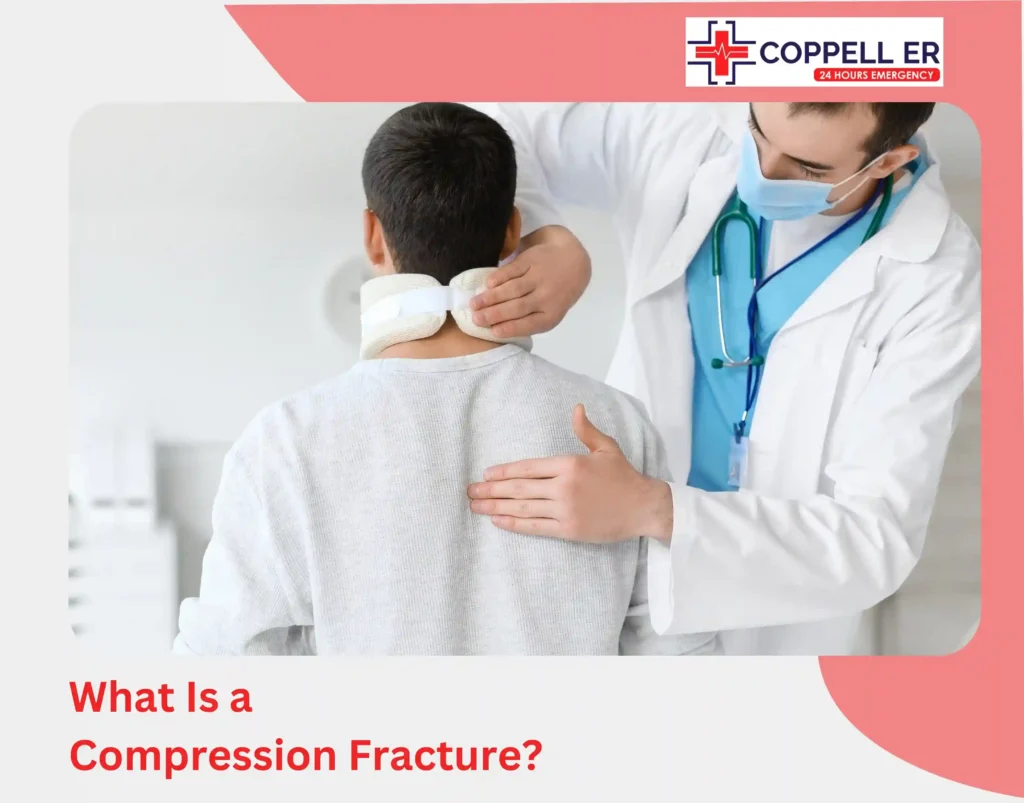
A compression fracture happens when one or more bones in the spine crack or collapse under pressure. This type of fracture usually occurs in the middle or lower back and can cause the spine to shorten, leading to a hunched or stooped posture.
Think of your spine as a column of small bones (vertebrae) stacked on top of each other. These bones protect your spinal cord and help you stand straight and move normally. When these bones weaken—most often due to osteoporosis—they can break even during everyday activities.
The following population is more at risk of spinal compression fractures.
- Older adults, particularly women with osteoporosis
- Individuals with cancer that has metastasized to the spine
- People who have suffered traumatic injuries, like a car accident
How Serious Is a Compression Fracture in Back?
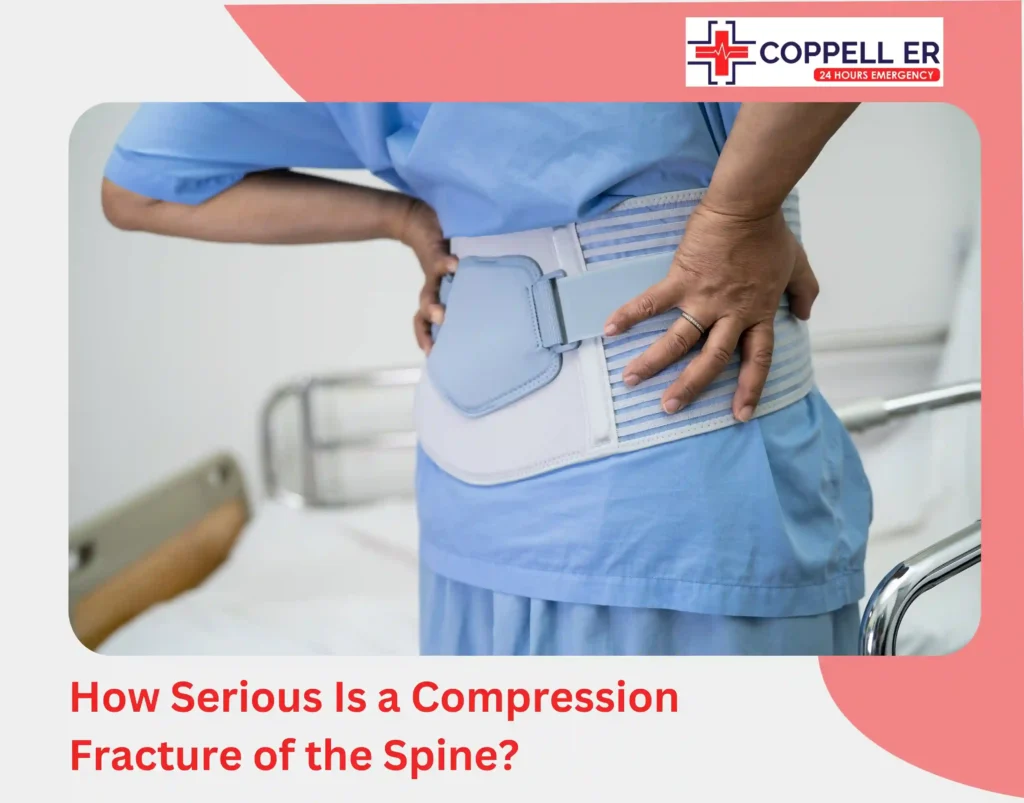
Studies reveal that two-thirds of spinal compression fractures go undiagnosed, as symptoms are often dismissed as regular back pain. The delay in detection can lead to severe complications, including:
Short-term Complications
Most compression fractures of the spine heal in 8–10 weeks. The consequences come with this fracture are:
- Back Pain: Patients often describe a sharp, stabbing pain in the back, usually after a minor movement or fall.
- Mobility Challenges: The fracture can cause limited mobility and flexibility in the spine, making it difficult to bend, twist, walk, or stand.
- Additional fractures: When one vertebra collapses, it puts extra pressure on the surrounding vertebrae. It increases the risk of additional fractures in the spine, hips, or wrists.
Long-term Complications
Compression fractures of the spine can have the following long-term complications:
- Height Loss: The collapse of vertebrae causes an excessive forward curve of your spine like you’re hunching over. This condition can cause you to lean forward and lose up to 2 centimeters or more in height.
- Weight gain: Spinal fractures cause limited mobility, which can lead to a sedentary lifestyle. This results in muscle weakness, weight gain, and an overall decline in physical fitness.
- Risk of other diseases: Weight gain can increase the risk of respiratory problems, cardiovascular disease, and diabetes.
- Life expectancy after compression fracture: Research indicates that people with vertebral fractures have a higher risk of mortality compared to those without fractures. While the fracture itself doesn’t directly cut your life short, chronic pain, limited mobility, and added injuries affect your health and life span.
- Nerve damage: A compression fracture can narrow the spinal canal, which may hurt the nerves right away or later. This damage results in numbness, tingling, or weakness. You may also have trouble controlling your bowels or bladder.
Vertebral Compression Fracture Symptoms
Don’t overlook the possibility of a compression fracture if your back pain comes with any of these symptoms:
- Stabbing back pain usually (not specifically) in the middle or lower back
- Stooped-over posture
- Numbness or tingling
- Weak muscles
- Problems walking
- Trouble controlling your bowels or bladder
Compression Fracture Treatment
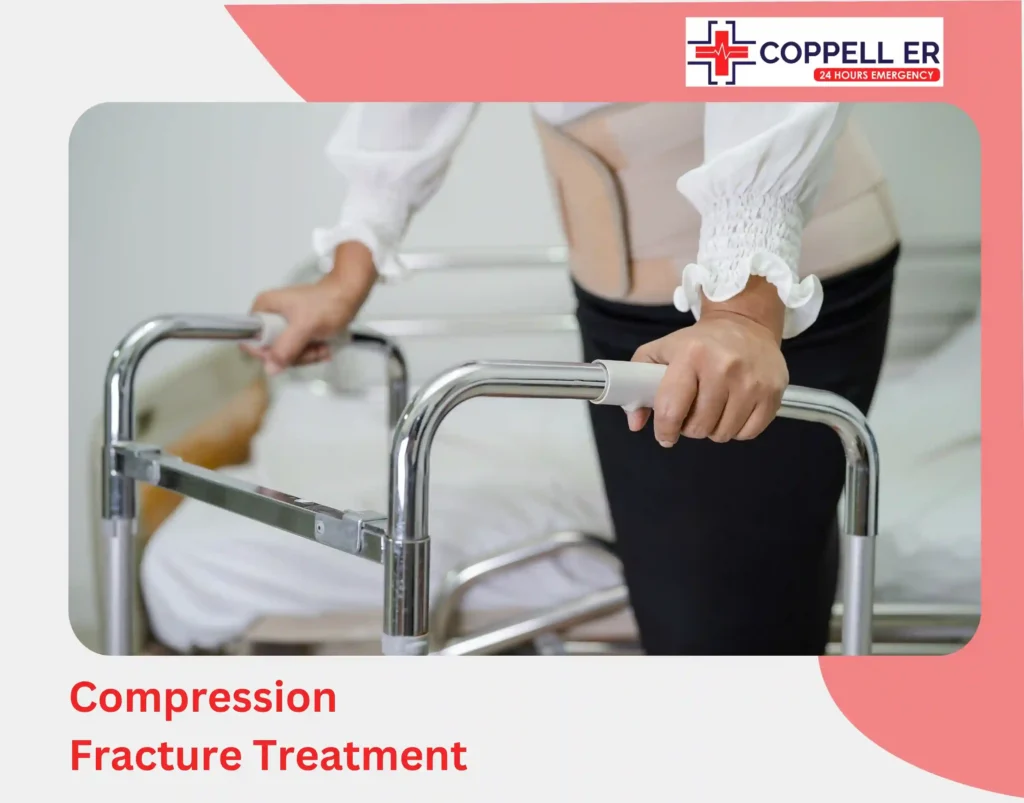
Compression fracture treatment depends on the cause and severity of the fracture. It typically includes:
- Pain medication: Your doctor may prescribe over-the-counter NSAIDs, muscle relaxers, or other medications. Be sure to follow the instructions closely when using these treatments.
- Bone-strengthening medicine: If your fracture is related to osteoporosis, your doctor may give calcium and vitamin D supplements.
- Rest: Rest is a key part of treating a compression fracture of the spine. But you shouldn’t stop moving entirely as lying around for too long can weaken your bones.
- Spinal bracing: Wear a back brace every day until the fracture heals. It helps support your spine and limits movement.
- Physical therapy: Physical therapy improves stability and reduces pain. Breathing exercises, core strengthening exercises, and gentle spinal stretches help you resume normal activities.
- Cold Therapy: Cold compress eases compression fracture of the spine by reducing pain, swelling, and inflammation. Apply ice packs for 10 to 15 minutes every 2 to 3 hours on the affected area.
- Heat Therapy: Place a hot pack or hot water bottle on your fracture before doing stretching and strengthening exercises. You can also use heat to relieve sore muscles after exercise.
Final Thoughts
A compression fracture of the spine is a serious condition, but it’s not a life sentence. With the right care, you can manage the symptoms, heal properly, and get back to doing what you love. Remember, your spine supports everything you do. Don’t let a compression fracture hold you back—take action and get treated.
FAQs
1. How do I strengthen my back after a compression fracture?
To strengthen your back after a compression fracture, focus on low-impact exercises that improve flexibility and build core strength, like walking, swimming, or gentle yoga. Along with treatment, eat a balanced diet rich in calcium, vitamin D, and protein to support bone health and recovery. Always consult your healthcare provider before starting any new exercise or diet plan.
2. What is the treatment for compression fractures in the spine?
The most common treatments for a compression fracture include wearing a back brace to support your spine as it heals. Physical therapy also helps to strengthen your back muscles. If you have weak bones from osteoporosis, your doctor may prescribe medications to make them stronger. But if the fracture is exerting pressure on your spinal cord, surgery may be necessary to relieve the pressure.