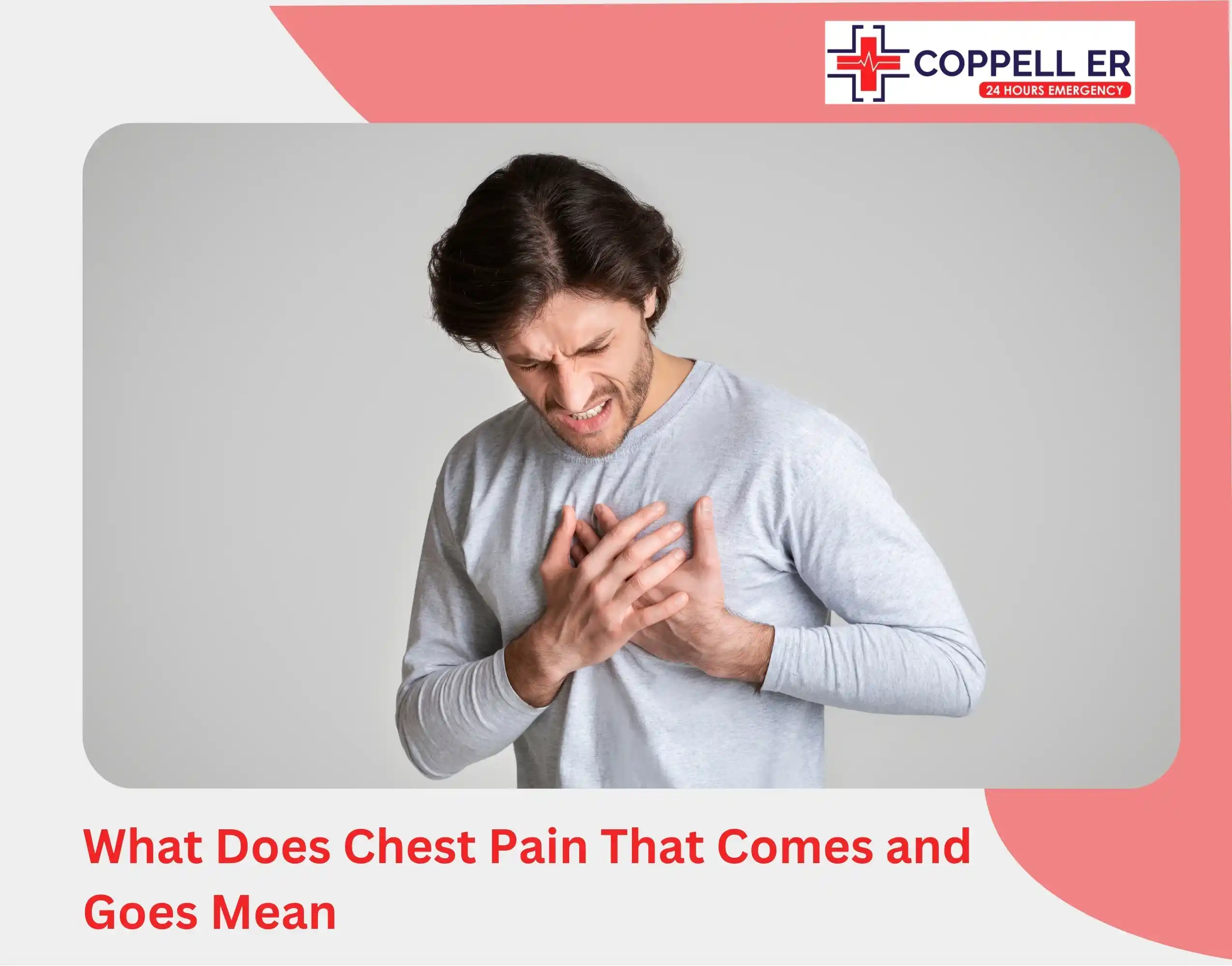
Intermittent chest pain can come from the heart, lungs, digestive system, muscles and ribs, or anxiety, and figuring out which one requires more than a self-check. The most important fact about chest pain that comes and goes is this: just because it stops doesn’t mean it’s safe. Heart attack pain can be intermittent over several hours, and unstable angina, a warning sign that a heart attack may be imminent, almost always comes and goes.
Common causes of intermittent chest pain include: angina, GERD (acid reflux), costochondritis (rib cartilage inflammation), muscle strain, panic attacks, pericarditis, esophageal spasm, and gallbladder issues. Less common but serious causes include pulmonary embolism, aortic dissection, and myocarditis.
| ⚠️ The Most Dangerous Myth About Chest Pain
“It went away, so I’m fine.” This belief gets people killed. Heart attack pain frequently comes and goes over several hours before becoming continuous. Unstable angina, pain that recurs intermittently, often precedes a full heart attack by hours or days. If your chest pain has come and gone more than once recently, that pattern itself is a reason to be evaluated, not a reason to relax. |
1. Why “It Comes and Goes” Can Be Dangerous
The intermittent pattern feels reassuring. If the pain stops, surely whatever caused it must have stopped too, right? Often yes. But sometimes no, and the “no” cases are exactly the ones that matter.
Heart Attacks Don’t Always Look Like the Movies
The American Heart Association explicitly notes that heart attack pain can last longer than a few minutes, and that it can come and go intermittently over the course of several hours. People who experience this pattern often dismiss it as indigestion or muscle strain because the pain stops between episodes. By the time the pain becomes continuous and unmistakable, significant heart muscle has already died.
Unstable Angina: The Warning Sign Most People Miss
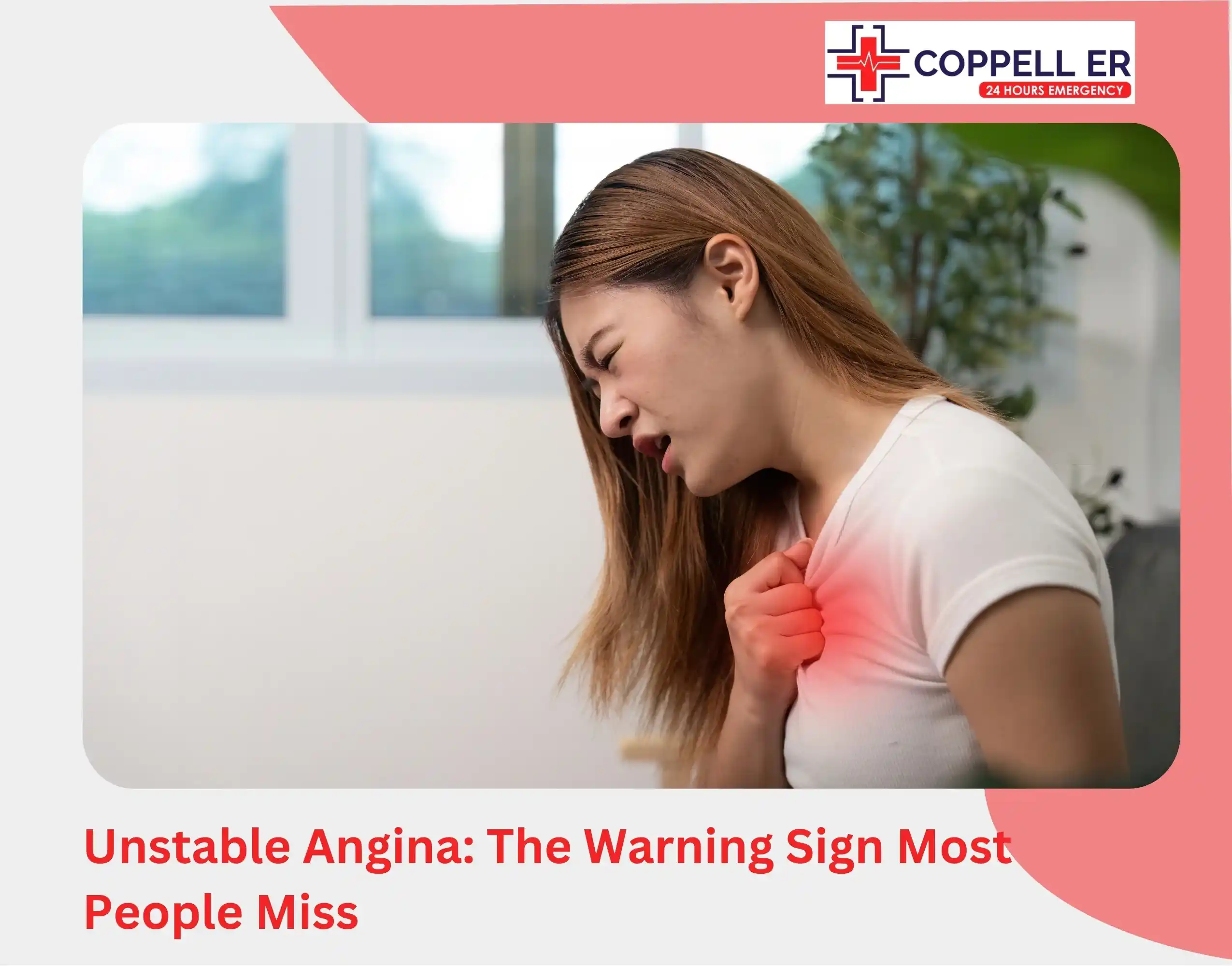
Angina is chest pain caused by reduced blood flow to the heart. It comes in two forms:
- Stable angina, predictable, triggered by exertion or stress, relieved by rest within minutes
- Unstable angina, unpredictable, can occur at rest, lasts longer, and worsens over time
Unstable angina is a medical emergency. It indicates that a partial blockage is becoming critical and that a heart attack may be imminent. The defining feature: pain that comes and goes, getting more frequent or more severe, sometimes occurring at rest. People with unstable angina who delay care often arrive at the ER having a full heart attack.
The Pattern That Should Always Trigger an ER Visit
- Chest pain that’s happened more than once in the past day
- Each episode lasting more than a few minutes
- Episodes getting closer together or more severe
- Pain triggered by less and less exertion
- Any episode of chest pain at rest
- Pain that returns even after taking antacids or pain medication
2. Cardiac Causes of Intermittent Chest Pain
Heart-related causes are the most dangerous to miss. They go first, not because they’re the most common, but because the cost of missing them is the highest.
Heart Attack (Myocardial Infarction)
Caused by a blockage in a coronary artery cutting off blood flow to part of the heart muscle. Classic symptoms:
- Pressure, squeezing, fullness, or pain in the center or left chest
- Pain that spreads to arm, jaw, neck, back, or shoulder
- Shortness of breath
- Cold sweat, nausea, lightheadedness
- Sense of impending doom
Heart attack pain typically lasts more than a few minutes per episode. It can come and go over hours before becoming continuous. Women, diabetics, and older adults often have atypical presentations.
Stable Angina
Predictable chest pain from coronary artery disease. Common features:
- Triggered by physical exertion or emotional stress
- Lasts 5 minutes or less
- Relieved by rest or nitroglycerin
- Same triggers each time (climbing stairs, lifting, cold air)
Stable angina is serious but managed with medications and lifestyle changes. New stable angina should always be evaluated.
Unstable Angina (911 Emergency)
The bridge between stable angina and a heart attack. Features:
- Unpredictable, can occur without exertion
- Lasts longer than stable angina (often over 10 minutes)
- More severe or frequent than usual
- Not relieved by rest or usual nitroglycerin doses
Unstable angina indicates an unstable plaque in a coronary artery. Without treatment, it frequently progresses to a heart attack.
Pericarditis
Inflammation of the sac surrounding the heart. Characteristic features:
- Sharp, stabbing pain
- Worse when lying flat, often relieved by sitting up and leaning forward
- Worse with deep breathing or coughing
- Often follows a recent viral infection
- Sometimes accompanied by low-grade fever
Pericarditis usually resolves with anti-inflammatory medications but needs medical evaluation to confirm diagnosis and rule out complications.
Myocarditis
Inflammation of the heart muscle itself, often caused by viral infections. Symptoms include chest pain, fatigue, shortness of breath, and palpitations. Can range from mild to life-threatening. Needs evaluation including blood tests, EKG, and often cardiac imaging.
Aortic Dissection (911 Emergency)
A rare but catastrophic tear in the wall of the aorta, the body’s main artery. Hallmarks:
- Sudden onset of severe, “tearing” or “ripping” chest pain
- Pain that radiates to the back, especially between the shoulder blades
- May cause unequal blood pressure between arms
- Risk factors: uncontrolled high blood pressure, Marfan syndrome, family history, recent chest trauma
Aortic dissection is an immediate life-threat. Mortality rises rapidly without treatment.
| 🚨 Suspect a Heart Attack or Aortic Dissection?
Call 911 immediately. Coppell ER is open 24/7 with EKG, troponin labs, echocardiogram, and CT angiography on-site. 720 N Denton Tap Rd. Phone: 469-763-3136. Don’t drive yourself if symptoms are severe. |
3. Pulmonary (Lung-Related) Causes
Lung problems can mimic heart pain closely. These conditions cause real medical emergencies of their own and shouldn’t be dismissed.
Pulmonary Embolism (911 Emergency)
A blood clot in the lungs. Often produces intermittent chest pain along with:
- Sudden shortness of breath
- Sharp chest pain that worsens with deep breathing (pleuritic pain)
- Rapid heartbeat
- Coughing up blood
- Leg swelling or pain (the clot may have traveled from a leg vein)
Risk factors: recent surgery, prolonged immobility (long flights, hospitalization, bed rest), pregnancy, hormone therapy, oral contraceptives, history of clots, certain cancers. Pulmonary embolism kills quickly when missed.
Pneumonia
Lung infection causing chest pain, often pleuritic (worse with breathing). Usually accompanied by fever, productive cough, fatigue, and shortness of breath. Older adults and immunocompromised patients can develop pneumonia with surprisingly few symptoms.
Pleurisy
Inflammation of the lining around the lungs. Causes sharp chest pain that’s distinctly worse with breathing, coughing, or sneezing. Often follows viral infection or pneumonia.
Pneumothorax (Collapsed Lung)
Air enters the space between the lung and chest wall, causing the lung to collapse partially or fully. Symptoms:
- Sudden sharp chest pain
- Shortness of breath
- More common in tall, thin young men, smokers, or after chest trauma
Small pneumothoraces may resolve on their own; large ones require ER treatment.
4. Digestive (GI) Causes
The digestive system is one of the most common sources of recurring chest pain, and it’s the cause most easily confused with cardiac problems.
GERD (Gastroesophageal Reflux Disease)
Stomach acid backs up into the esophagus, causing chest pain that’s often confused with heart pain. Hallmarks:
- Burning sensation behind the breastbone
- Worse after meals, lying down, or bending over
- Sour taste in the mouth, regurgitation
- Relieved by antacids
- Often triggered by spicy, fatty, or acidic foods
GERD is treatable with dietary changes, weight management, and acid-reducing medications.
Esophageal Spasm
Sudden, intense contractions of the esophagus muscles. Causes intermittent, sometimes severe chest pain that can mimic a heart attack so closely that even doctors can’t distinguish them without testing. Often triggered by hot or cold food, stress, or no obvious cause.
Peptic Ulcer Disease
Ulcers in the stomach or duodenum can cause upper abdominal and lower chest pain. Often gnawing or burning, worse with empty stomach or specific foods, sometimes relieved by eating.
Gallbladder Disease
Gallstones or gallbladder inflammation cause pain in the upper right abdomen that often radiates to the right chest, right shoulder, or back. Usually triggered by fatty meals. Can mimic heart attack closely.
Hiatal Hernia
Part of the stomach pushes up through the diaphragm into the chest. Causes intermittent chest pain, especially after meals, often with heartburn and trouble swallowing.
5. Musculoskeletal Causes
Chest wall pain accounts for a significant portion of intermittent chest discomfort and is the most common cause overall. The good news: these are rarely dangerous. The challenge: distinguishing them from cardiac causes.
Costochondritis
Inflammation of the cartilage connecting the ribs to the breastbone. Distinctive features:
- Sharp, localized chest pain
- Tender when pressing on the affected rib or sternum
- Worse with deep breathing, coughing, or movement
- Often follows a viral infection or chest strain
Treatment is anti-inflammatory medication and rest. Resolves on its own over weeks.
Muscle Strain
Chest wall muscles can be strained from lifting, coughing, exercise, or even poor posture. Pain is reproducible by pressing on the muscle, worse with specific movements, and tied to a recent physical activity.
Rib Injury (Fracture or Bruise)
Often follows a fall or impact. Sharp localized pain worse with breathing, coughing, or pressing the area. Confirmed with chest X-ray.
Fibromyalgia
A chronic widespread pain condition that often includes chest wall tenderness. Pain comes and goes, varies in location, and is associated with fatigue, sleep problems, and tender points.
6. Psychological Causes
Anxiety and panic absolutely cause real chest pain. The physical sensations are genuine, not imagined.
Panic Attacks
- Sudden intense chest tightness or pain
- Rapid heartbeat, palpitations
- Shortness of breath
- Sweating, trembling
- Tingling in hands or face
- Sense of doom or losing control
- Typically peaks within 10 minutes, resolves within an hour
Generalized Anxiety
Chronic anxiety can produce intermittent chest tightness, often accompanied by muscle tension, worry, sleep problems, and other stress symptoms.
The Catch With Psychological Causes
Anxiety and panic are diagnoses of exclusion. Doctors confirm them only after ruling out cardiac, pulmonary, and other organic causes. The dangerous mistake is assuming “it’s just anxiety” without ever getting properly evaluated. First-time severe episodes always warrant medical workup.
7. How to Recognize Cardiac vs Non-Cardiac Patterns
This table compares the typical features of cardiac chest pain against non-cardiac causes. No single feature is diagnostic; the pattern as a whole is what matters.
| Feature | Cardiac Pattern | Non-Cardiac Pattern |
| Quality | Pressure, squeezing, heaviness, tightness | Sharp, stabbing, burning, aching |
| Location | Vague, center or left chest, often spreads | Specific spot, often near ribs or sternum |
| Triggered by exertion? | Often yes (especially angina) | Usually no |
| Changes with breathing? | No (except pericarditis, PE) | Often yes (pleurisy, costochondritis, rib injury) |
| Changes with movement or pressing? | No — pain unchanged | Yes — muscle/rib pain reproducible by touch |
| Triggered by meals? | No | Yes — GERD, gallbladder, ulcers |
| Other symptoms? | Shortness of breath, sweating, nausea, arm/jaw pain | Usually isolated, or paired with specific GI/respiratory signs |
| Response to antacids | None | Often improves (GERD) |
| Response to nitroglycerin | Improves angina (but also esophageal spasm) | No effect |
| 📌 The Limitations of This Table
These patterns are general — not absolute. Heart attacks can present atypically, especially in women, diabetics, and older adults. Esophageal spasm responds to nitroglycerin just like angina. Many people have both GERD AND coronary disease. If anything feels off, get evaluated. |
8. Who Should Take Intermittent Chest Pain Most Seriously
These factors lower the threshold for ER evaluation, meaning the same pain in these patients warrants a more aggressive workup.
- Age over 45 for men, 55 for women
- Personal history of heart disease, heart attack, or stents
- Family history of early heart disease (parent or sibling under 55)
- Diabetes, major risk factor, often with atypical symptoms
- High blood pressure (especially uncontrolled)
- High cholesterol
- Smoking, current or recent
- Obesity, especially abdominal
- Sedentary lifestyle
- History of pre-eclampsia or gestational diabetes (women)
- Recent surgery or prolonged immobility (PE risk)
- Hormone therapy or oral contraceptives plus smoking (PE/clot risk)
- Connective tissue disorders (Marfan, Ehlers-Danlos, aortic dissection risk)
- Active cancer treatment
9. Emergency Signs – Call 911 Right Now
Stop Reading and Call 911 If You Have Chest Pain With:
- Pressure, squeezing, or crushing sensation
- Pain spreading to arm, jaw, neck, back, or shoulder
- Shortness of breath
- Cold sweat or sudden clamminess
- Nausea, vomiting, or severe indigestion
- Lightheadedness, dizziness, or fainting
- Sudden severe “tearing” or “ripping” pain spreading to back
- Coughing up blood with chest pain
- Severe shortness of breath with sharp chest pain
- Pain that’s the worst chest pain you’ve ever felt
- Bluish lips, fingertips, or face
- Confusion or extreme weakness
- Pain triggered by physical exertion that returns each time you exert yourself
Go to Coppell ER Today If You Have:
- Chest pain that’s recurred more than once in 24 hours
- Chest pain at rest (without exertion)
- Chest pain not relieved by antacids or rest
- New onset chest pain in someone with cardiac risk factors
- Chest pain after recent surgery, long travel, or hospitalization
- Chest pain with leg pain or swelling
- Chest pain with fever and cough
- Worsening pattern (more frequent, more severe, or triggered by less exertion)
Schedule with a Doctor If You Have:
- Mild chest pain clearly related to meals (likely GERD)
- Tender, point-localized pain after recent strain
- Chest discomfort during panic episodes in someone previously evaluated
- Chronic intermittent pain that’s been stable for months
10. What Coppell ER Does for Chest Pain
Chest pain is one of the most common reasons people come to the ER, and one of the most important to evaluate quickly. Coppell ER has the full diagnostic capability of a hospital emergency room, available 24/7.
Rapid Cardiac Workup
- 12-lead EKG within minutes of arrival
- Cardiac markers, troponin, and others, with rapid results
- Echocardiogram for heart structure and function
- Continuous cardiac monitoring
- CT angiography to evaluate coronary arteries when needed
- Stress testing protocols
Ruling Out Pulmonary Causes
- Chest X-ray for pneumonia, pneumothorax, lung masses
- CT pulmonary angiography for suspected pulmonary embolism
- D-dimer blood testing
- Arterial blood gas analysis
Ruling Out Other Causes
- Ultrasound for gallbladder evaluation
- Lab work for liver, kidney, electrolyte issues
- GI consultation when indicated
- Treatment trials for suspected GERD or esophageal spasm
On-Site Treatment
- Oxygen, aspirin, nitroglycerin, and other initial heart attack care
- IV medications for blood pressure, heart rate, and pain control
- Anticoagulation for confirmed clots
- Pain management for confirmed musculoskeletal causes
- Stabilization and rapid transfer for catheterization or surgery when needed
Why Coppell ER for Chest Pain
- Open 24/7, chest pain doesn’t wait for office hours
- No appointment, walk straight to an exam room
- Minimal-to-zero wait times, critical when minutes matter
- Board-certified ER physicians on every shift
- Hospital-grade equipment in a private-practice setting
- In-house billing team and a no-surprise-billing policy
- Most commercial insurance plans accepted (Medicare, Medicaid, and Tri-Care are not accepted)
| Chest Pain That Keeps Coming Back?
That pattern is itself a reason to get evaluated. Coppell ER can rule out cardiac causes in about an hour. Open 24/7. Walk in or call 469-763-3136. 720 N Denton Tap Rd, Coppell, TX. |
Frequently Asked Questions
Q: If my chest pain went away, does that mean it wasn’t serious?
Not necessarily. Heart attack pain can come and go over several hours. Unstable angina almost always comes and goes. A pain that stops on its own is not the same as a problem that’s resolved. If chest pain has recurred more than once, or if it came with other symptoms, get evaluated.
Q: How do I know if my chest pain is from my heart or my stomach?
Patterns help. Pain after meals, worse when lying down, with a sour taste or heartburn, relieved by antacids, points to GERD. Pain with exertion, pressure-like quality, spreading to arm or jaw, paired with shortness of breath or sweating, points to cardiac. But these patterns overlap. When in doubt, get evaluated, heart attack is the diagnosis you can’t afford to miss.
Q: Can sharp chest pain be a heart attack?
Cardiac pain is more typically described as pressure or squeezing, not sharp. But “sharp” doesn’t rule out a heart attack, especially in women, diabetics, and older adults who often have atypical presentations. Pericarditis and aortic dissection can also cause sharp cardiac chest pain. Sharp pain with shortness of breath, sweating, or radiating symptoms still warrants evaluation.
Q: How long does a heart attack last?
Heart attack pain typically lasts more than a few minutes per episode. Symptoms can persist continuously or come and go over several hours before becoming continuous. Brief pain lasting only seconds is rarely a heart attack, but anything more sustained, especially with other symptoms, deserves emergency evaluation.
Q: Can anxiety cause chest pain that comes and goes?
Yes. Anxiety and panic attacks frequently cause intermittent chest pain, tightness, and palpitations. Panic attacks typically peak within 10 minutes and resolve in under an hour. But anxiety is a diagnosis of exclusion; doctors confirm it only after ruling out organic causes. A first-time episode should always be medically evaluated.
Q: Should I take aspirin if I have chest pain that comes and goes?
If you suspect a heart attack and aren’t allergic to aspirin, chewing one regular adult aspirin (325mg) while waiting for emergency services can help. Don’t delay calling 911 to look for aspirin. Don’t take aspirin if you’re already on blood thinners or have an allergy.
Q: Can chest pain from GERD feel like a heart attack?
Yes — and this is one of the most common diagnostic challenges. GERD pain can be intense, burning, and located behind the breastbone. Esophageal spasm in particular can mimic a heart attack so closely that even doctors can’t reliably distinguish them without testing. When uncertainty exists, the ER workup rules out the cardiac causes first.
Q: I’m young and healthy – could my chest pain still be serious?
Possibly. Although heart attacks are less common in young, healthy people, they do happen — particularly in those with congenital heart conditions, severe family history, recreational stimulant use, or undetected coronary anomalies. Pulmonary embolism, pneumothorax, pericarditis, and aortic dissection can all occur in younger adults. If symptoms are severe or accompanied by warning signs, get evaluated regardless of age.
Q: My chest hurts when I press on it. Does that mean it’s not my heart?
Usually but not always. Pain that’s reproducible by pressing on the chest is strongly suggestive of musculoskeletal causes like costochondritis or muscle strain. But it doesn’t completely rule out cardiac causes, some patients have both chest wall tenderness AND cardiac issues. If other warning signs are present, get evaluated.
Q: How long should I wait before going to the ER for chest pain?
If the pain is severe, paired with cardiac warning signs, or one of the emergency patterns described above, don’t wait at all. Call 911 immediately. For milder recurring chest pain without warning signs, you can typically be seen same-day in an ER without it being a 911 situation. The principle: when in doubt, lean toward going in.
| Don’t Wait Out a Pattern That Keeps Coming Back
Call Coppell ER: 469-763-3136 • Walk in: 720 N Denton Tap Rd, Coppell, TX 75019 • Open 24/7 • EKG, troponin labs, CT, and ER physicians on-site. If symptoms are severe – call 911 first. |