
A blood test can rule a clot out, but it can’t rule one in. Getting a real answer takes the right test in the right order, and good blood clot treatment depends on that answer. Coppell ER is a freestanding emergency room in Coppell, TX, with board-certified emergency physicians and onsite D-dimer testing, leg ultrasound, and CT for suspected lung clots. Whether your calf is swollen after surgery or your breathing changed after a long flight, you leave knowing whether a clot is there.
Call Now: 469-763-3136
Hours: 24/7/365; walk-ins welcome
Walk-In: Coppell ER | 720 N Denton Tap Rd, Coppell, TX 75019
A clot in a leg vein usually announces itself through one swollen, aching leg. A clot that has reached the lungs shows up as sudden breathlessness or chest pain. Lung signs need an ambulance, while leg signs need an emergency evaluation today, before a clot has the chance to move.
Call 911 for any of these
Come in today for any of these
The symptom people talk themselves out of is the cramp that won’t quit. A muscle cramp eases with stretching, rest, or walking. A clot-related ache keeps building, often with swelling you can see when you compare both legs side by side.
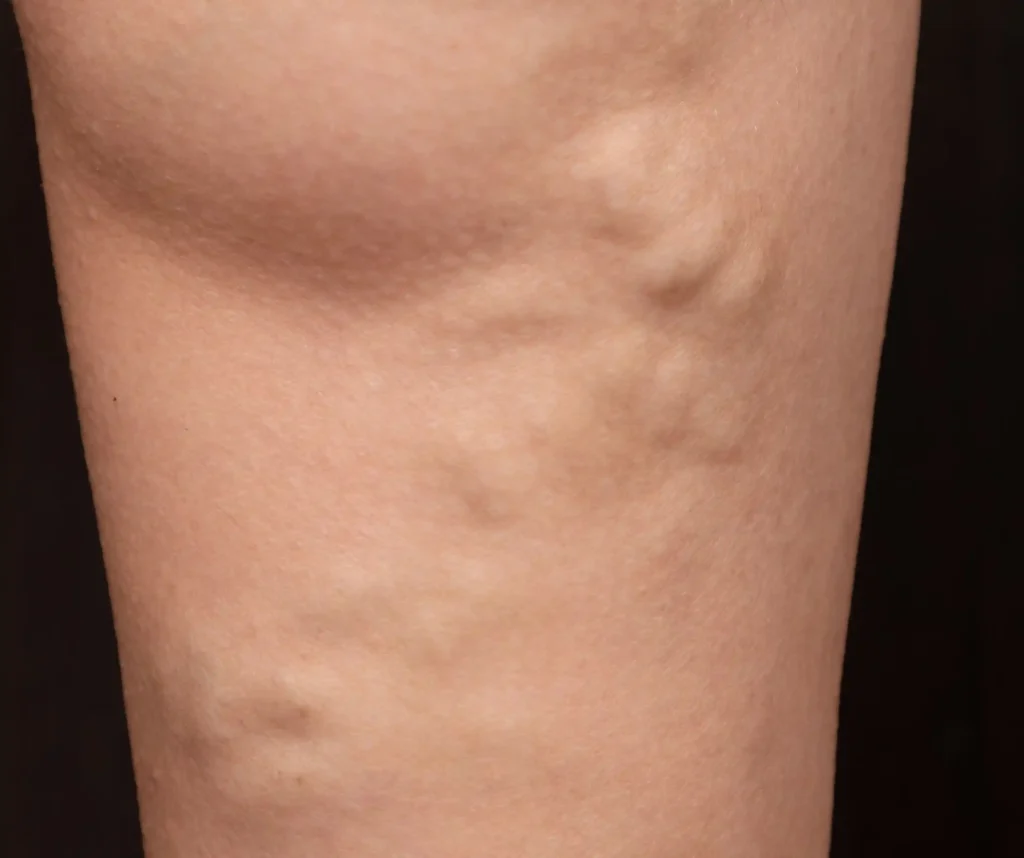

A blood clot test is really a sequence, not a single test. Physicians first estimate how likely a clot is, then use a blood test to rule one out, and finally use imaging to confirm one. Skipping a step either misses clots or sends people for scans they don’t need.
This order is what turns worry into a yes or no answer.
Most clots form during a stretch of time when blood moves slowly or clots more easily than usual. Knowing when those windows open and close helps you connect a swollen leg to its likely cause, and it tells the physician how seriously to weigh your symptoms.
| What happened | When risk runs highest | Why it raises risk |
|---|---|---|
| Major surgery, especially hip or knee replacement | The first two weeks, staying above normal for about three months | Long stillness plus the body’s healing response |
| A flight or drive of four hours or more | Symptoms can appear days to about two weeks later | Hours of sitting slow blood flow in the calves |
| Pregnancy and childbirth | Throughout pregnancy, peaking in the six weeks after delivery | Pregnancy hormones make blood clot more readily |
| Starting birth control pills or hormone therapy | The first months of use | Estrogen increases clotting factors |
| A cast, boot, or days of bed rest | While you’re immobilized | Calf muscles stop pumping blood upward |
| Cancer or its treatment | Ongoing during treatment | Tumors and some therapies raise clotting |
| A recent hospital stay or serious infection | The weeks after discharge | Illness and inactivity combine |
Coppell ER sits a short drive from DFW Airport, and long-haul travelers landing at DFW are a familiar group here. A blood clot after flying often shows up once you’re home, not on the plane.
Your evaluation starts with your vital signs and ends with a clear answer, usually within about an hour. Every test runs in the same building, so results reach the physician without waiting on an outside lab or imaging center.
Triage. A nurse checks your oxygen level, heart rate, and blood pressure, since a fast pulse or low oxygen changes priorities immediately.
Exam and history. The physician compares both legs, listens to your lungs, and asks about surgery, travel, pregnancy, hormones, and any past clots.
Blood work. A D-dimer runs alongside kidney function, which matters before any contrast scan, plus heart markers when a lung clot is possible. Our onsite laboratory handles each one.
Imaging. Leg ultrasound, a chest CT, or both, depending on where your symptoms point.
The plan. You hear what the tests found, what they ruled out, and what happens next.

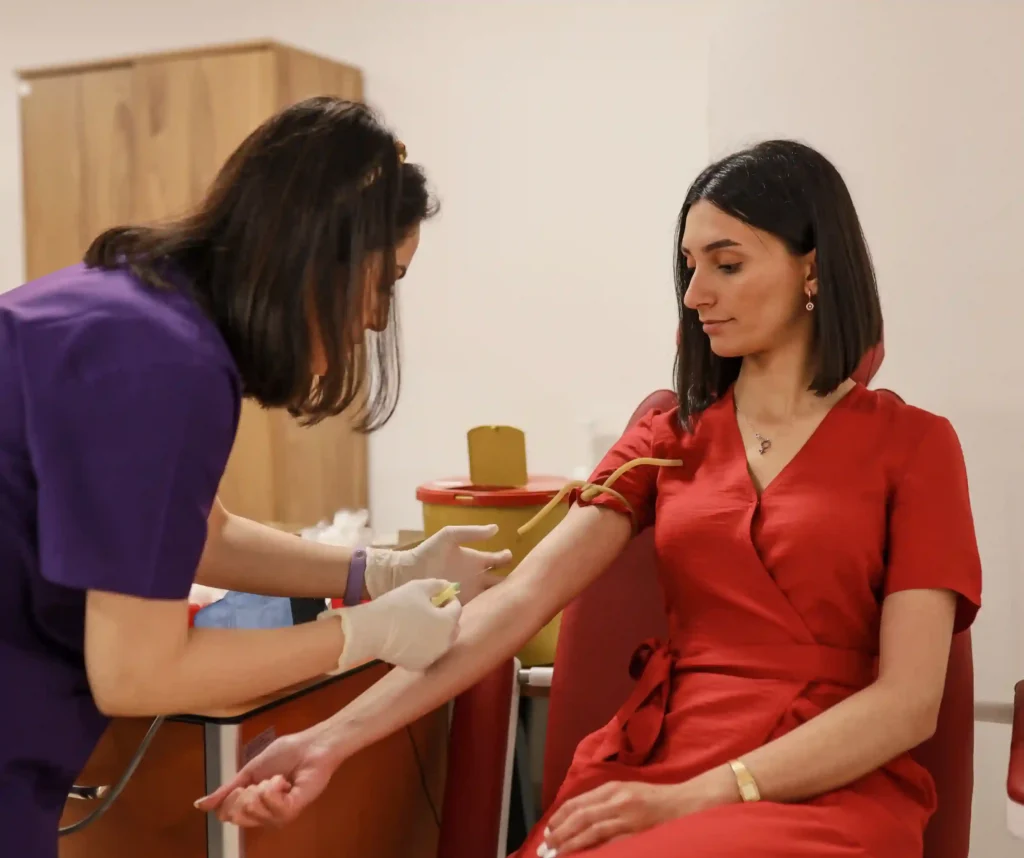
Treatment starts in the ER with a first dose of blood-thinning medication, which stops the clot from growing while your body slowly breaks it down. Oxygen, heart monitoring, and pain control follow as needed, and the physician decides whether you can recover at home.
For a lung clot, care adds a closer look at the heart. A large lung clot can strain the right side of the heart, so we check heart markers in the blood and use an echocardiogram to see how the heart is pumping. Patients whose heart and oxygen levels look steady may be candidates for home treatment with close follow-up. Those showing strain, low oxygen, or unstable blood pressure stay on monitoring while we arrange admission with a hospital team.
We don’t give clot-dissolving drugs, remove clots, or place vein filters. When those steps are needed, the receiving team gets your imaging and lab results ahead of time, so care continues without repeating the workup.
Urgent care is a fine choice for many minor problems, but a suspected clot needs imaging most clinics can’t provide on the spot. Many urgent care centers can’t run a same-visit leg ultrasound or a chest CT, so a worrying exam usually ends in a referral elsewhere.
Choosing urgent care for blood clot symptoms tends to mean two stops when the second one could have been the first. In the ER, you get the following in one visit.
Our freestanding ER vs. urgent care page explains the difference in more detail.

Questions about billing? Contact our team at:
Phone: (817) 785-8000
Email: info@aimbillingsolutions.com
Searching for blood clot treatment in Coppell tonight? You’ll find us on North Denton Tap Road, close to the DFW Airport corridor and a quick drive from much of southern Denton County. Walk in at any hour, any day of the year, and you’ll be evaluated by an emergency physician. Need to compare options? Here’s how to find a24-hour emergency room near you.
Patients regularly reach us from these communities.

Waiting until morning means another night of wondering whether a clot is moving. A short visit can rule it out, or find it and start treatment before it causes more harm.
Coppell ER provides blood clot care in Coppell every hour of every day. We are staffed by board-certified emergency physicians and backed by on-site lab and imaging to get you the answers fast.
Call Now: 469-763-3136
Hours: 24/7/365; walk-ins welcome
Walk-In: Coppell ER | 720 N Denton Tap Rd, Coppell, TX 75019
A normal scan usually rules out a clot in the large thigh and knee veins. Small clots in the calf can be harder to see early, so physicians sometimes recommend a repeat ultrasound in about a week. Return sooner if swelling increases or any breathing symptoms appear.
D-dimer rises with many things besides clots, including pregnancy, age over 50, recent surgery or injury, infection, and cancer. That’s why a high reading leads to imaging rather than a diagnosis. Many people with a raised result turn out to have clear scans.
Clots linked to travel usually form during or soon after the trip, but symptoms can take days or even a couple of weeks to appear. A blood clot after flying is more likely on trips over four hours, especially with other risks like recent surgery or hormone use.
Yes, though the overall risk stays low for most people. Estrogen-containing pills raise clot risk several times over, with the highest risk in the first months of use. Smoking, being over 35, or a family history of clots raises it further. Progestin-only methods carry less risk.
Skip contact sports and activities with a high fall risk, and check with your doctor before taking over-the-counter pain relievers such as ibuprofen, which add to bleeding risk. Black stools, blood in urine, or a severe headache need prompt emergency care.
It may be superficial thrombophlebitis, a clot in a vein just under the skin. Most cases improve with warm compresses and rest. Those running up the inner thigh toward the groin need an ultrasound, since they can extend into deeper veins.
No. Walk in whenever symptoms start, including overnight and on holidays, and a board-certified emergency physician sees every walk-in. We accept most major insurance plans and offer flexible payment plans through Sunbit. Bring a list of medications, especially any blood thinners or hormones.
Need help?