
Some fractures do not show up on the first X-ray. A scaphoid break in the wrist, a hairline crack in the hip, an early stress fracture: each can look clean on film while the bone underneath is very much broken. Our sprains and broken bones ER runs onsite digital X-ray and CT imaging, so a normal picture is not where the search ends.
No appointment. No long wait. Walk in or call now.
Call Now: 469-763-3136
Hours: 24/7/365
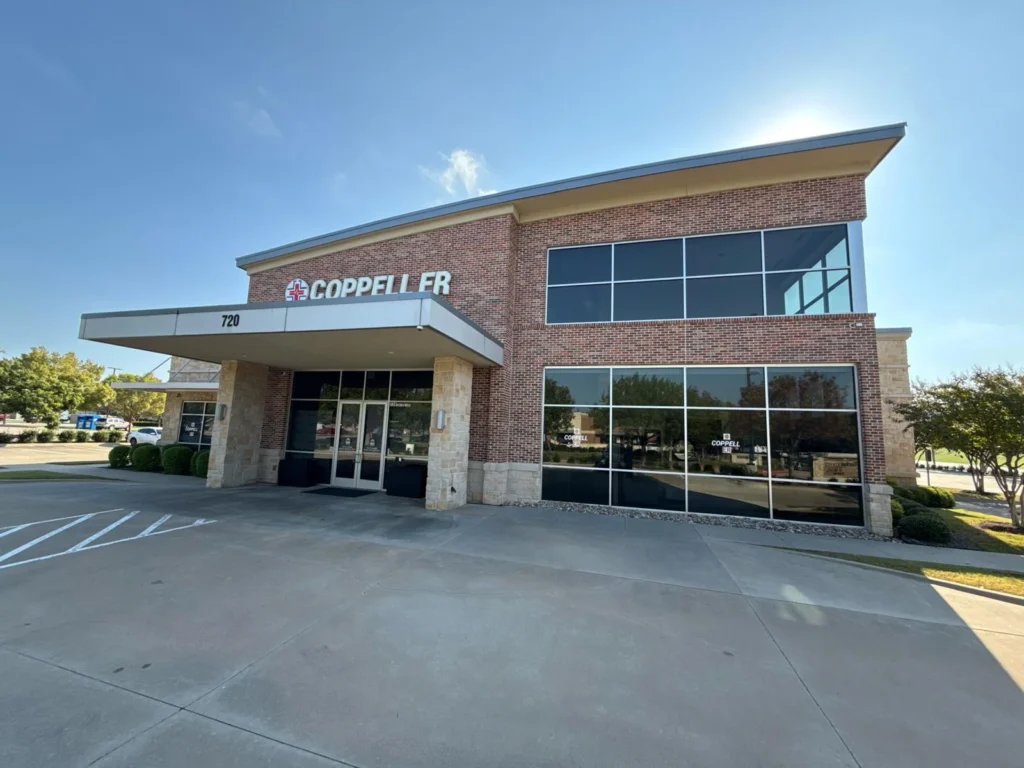
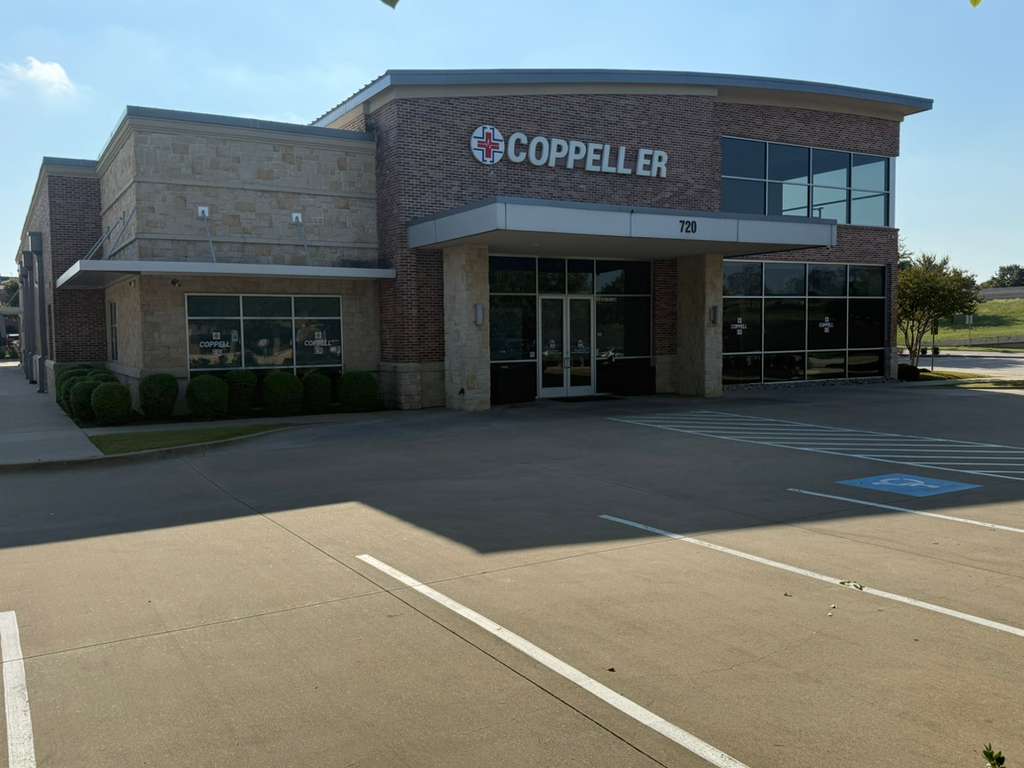
Walk-In: Coppell ER | 720 N Denton Tap Rd, Coppell, TX 75019

Both injuries swell. Both bruise. Both hurt to move. The overlap is close enough that experienced clinicians decline to guess, and the folk test most people rely on is simply wrong.
“If I can walk on it, it isn’t broken” is a myth. Plenty of people walk into this building on a fractured foot or ankle. Weight-bearing tells you about pain tolerance, not bone integrity.
Some clues lean one direction:
A sprain injures the ligaments that hold a joint together, and a bad one can outlast a clean break in recovery time. The distinction between a sprain and a muscle strain is its own question, and our guide to telling a sprain from a strain covers it. Separating either from a fracture takes imaging.
An X-ray for broken bone diagnosis is the right first test. It is not always the last one.
Certain fractures hide. A scaphoid fracture in the wrist commonly appears normal on an initial film and only declares itself days later, by which time healing may already be compromised. Hip fractures in older adults can be missed on plain X-ray. Stress fractures rarely show at all in the first two weeks, because the crack is finer than the image can resolve.
When the story does not match the picture, we do not send you home with reassurance we have not earned. A CT scan reveals fractures that plain film cannot, and it runs here, during the same visit.
This is the difference between having an X-ray and having a diagnosis. A clinic with a single imaging tool can only tell you what that tool shows. If your pain is focused, persistent, and out of proportion to a normal film, that finding deserves a second look rather than a shrug.


Come to a fracture treatment emergency room immediately for any of these:
Two of these matter more than they look. Loss of sensation or pulse means blood supply or nerves may be compromised, and hours count. Relentless, escalating tightness in a swollen limb can signal pressure building inside the muscle compartment, a condition that damages tissue permanently if it is not caught.
Neither is something to sit on overnight. Neither belongs at a walk-in clinic.
Urgent care handles a simple finger fracture perfectly well. The trouble starts when the injury is not simple, and you cannot know that before the imaging.
They have X-ray. They do not have CT. So the occult fractures above go undetected.
They rarely reduce dislocations. Putting a displaced joint back into position is a procedure most walk-in clinics decline. We perform non-surgical reductions here.
They cannot manage neurovascular compromise. A limb losing circulation needs an emergency room, not a referral slip.
And the referral is the real cost. If a clinic X-rays you, finds something complicated, and sends you to an ER, you have waited twice, been evaluated twice, and lost the afternoon. Nothing about that is faster or simpler.
The honest version is this. If you are certain the injury is minor, a clinic is reasonable. If you are not certain, and almost nobody is while it hurts, orthopedic emergency care answers the question in one visit. Our comparison of an emergency room and an urgent care clinic breaks down where each fits.

Broken bone treatment starts with getting the limb still and the pain controlled, then finding out exactly what you are dealing with.
Within minutes of arrival:
We stabilize the injury, check circulation and sensation below it, and address the pain before anything else.
Onsite imaging in multiple views, read by a board-certified emergency physician on the spot.
If your presentation suggests a fracture the X-ray cannot see, we look further rather than guess.
Displaced fractures and dislocated joints are realigned under appropriate pain control.
We immobilize the injury in the position it needs to heal.
You leave with imaging results, a stabilized limb, and a specific orthopedic contact rather than a vague instruction.
Most patients have a diagnosis within the hour. If the injury happened during a fall or an accident, we evaluate for injuries beyond the obvious one.
Treatment follows the imaging, and it follows one principle: a bone that heals crooked heals wrong.
Simple fractures are immobilized in a splint or cast. The bone knits on its own, and our job is to hold it where it belongs while it does.
Displaced fractures and dislocations are reduced back into alignment first. Reduction is uncomfortable, brief, and considerably better than the alternative.
Sprains get immobilization, ice, elevation, and a realistic recovery plan. A severe ligament tear can take longer to return to full function than a clean bone break, which surprises almost everyone.
Pain is managed with what the injury actually requires, from over-the-counter relief to IV medication for a badly displaced fracture.
When surgery is required, and it is required for some fractures, we do not pretend otherwise. We stabilize the limb, protect the circulation, and coordinate directly with an orthopedic surgeon. Our fracture treatment emergency room is the stop that makes the next stop faster, not a detour on the way to it. The different fracture patterns each carry their own treatment path.
Onsite digital X-ray plus CT means a normal film is not the end of the conversation.
Displaced joints are put back here, not referred out.
Most patients reach an exam room within minutes, splinted and comfortable before the imaging begins.
Our doctors catch the fractures that hide and the complications that matter.
Diagnosis, stabilization, immobilization, and a named orthopedic referral, without a second trip.
Broken bone treatment Coppell families can rely on: we accept most major insurance plans and offer flexible payment plans through Sunbit.
Searching for broken bone treatment near you? Coppell ER sits on North Denton Tap Road and provides 24/7 orthopedic emergency care with onsite digital X-ray, CT imaging, splinting, casting, and joint reduction.
We serve patients from:
No appointment. No excessive wait. A sprains and broken bones ER open day and night, holidays included, for the injuries that will not wait until Monday.

Ankles roll on Saturday mornings. Wrists break at 9 p.m. on a trampoline. Bones rarely wait for a clinic to open.
If something is swollen, painful, and you are not sure what happened underneath, come find out. Walk in or call ahead, and we will have an answer before the swelling makes it harder to see.
Call Now: 469-763-3136
Hours: 24/7/365
Walk-In: Coppell ER | 720 N Denton Tap Rd, Coppell, TX 75019
Often, yes. Many people walk on fractures, especially hairline breaks. Weight-bearing measures pain tolerance, not bone integrity. If pain is focused over bone and persists, get an X-ray for broken bone confirmation.
You cannot reliably tell by feel. Both swell, bruise, and hurt to move. A pop at the moment of injury, visible deformity, or pain directly over bone leans toward fracture, but imaging settles it.
Yes. Scaphoid wrist fractures, some hip fractures, and early stress fractures are frequently invisible on an initial X-ray. When symptoms do not match a normal film, a CT scan finds what plain imaging cannot.
Urgent care can handle a simple, obviously minor fracture. Deformity, an open wound, numbness, loss of pulse, or any uncertainty calls for orthopedic emergency care, where CT and joint reduction are available.
We apply splints, casts, braces, and walking boots, choosing what the injury and the swelling allow. Severely swollen fractures are splinted first, then cast once the swelling settles.
Most fractures do not. Displaced, unstable, or open fractures often do. We diagnose, stabilize, and coordinate directly with an orthopedic surgeon rather than sending you off to arrange it yourself.
Yes. Walk in any hour without an appointment. We accept most major insurance plans and offer flexible payment plans through Sunbit.
Need help?