

Ear pain can show up in different ways, pressure that lingers, discomfort when chewing, sudden muffling, or unexpected drainage. Many people assume it will improve on its own, but certain symptoms require an emergency room visit.
This guide explains the key warning signs that help you understand when to go to the ER for ear pain, what qualifies as an ear pain emergency, and which symptoms you should never ignore.
Understanding Ear Pain

Ear pain affects millions of people each year, from children battling infections to adults dealing with pressure changes or underlying conditions. The challenge lies in determining when your symptoms represent a routine issue vs. signs that demand urgent medical attention.
Most ear discomfort stems from common causes like mild infections, earwax buildup, or altitude changes. These typically respond well to over-the-counter remedies and scheduled medical visits. However, certain warning signs indicate a more serious problem that shouldn’t wait.
When to Go to the ER for Ear Pain Emergency
Head to the emergency room immediately if you experience any of these ear pain emergency symptoms:
Sudden, Severe Pain with High Fever
When ear pain occurs alongside a fever exceeding 103°F (39.4°C) in adults or 102°F (38.9°C) in children, this combination suggests a severe ear infection that may be spreading beyond the ear canal. Infections can progress rapidly, potentially affecting nearby structures, including the brain.
Facial Drooping or Paralysis
If you notice weakness, drooping, or inability to move one side of your face along with ear pain, seek emergency care immediately. This could indicate facial nerve involvement or a more serious neurological issue requiring urgent intervention.
Severe Dizziness or Loss of Balance
While mild dizziness can accompany ear infections, severe vertigo, inability to walk, or persistent loss of balance combined with ear pain signals potential inner ear damage or a serious infection affecting your equilibrium system.
Drainage of Blood or Pus
Clear fluid occasionally drains from the ears during infections, but bloody discharge or thick, foul-smelling pus represents severe ear infection symptoms that need immediate evaluation. This drainage may indicate a ruptured eardrum or deeper infection.
Sudden Hearing Loss
Abrupt hearing loss in one or both ears, especially when accompanied by pain, constitutes an ear pain emergency. Quick treatment is essential for the best chance of recovering your hearing.
Stiff Neck with Headache
The combination of ear pain, severe headache, and neck stiffness that makes it difficult to touch your chin to your chest could indicate meningitis, a life-threatening infection of the membranes surrounding the brain and spinal cord.
Recent Head Injury
If ear pain develops after a head injury, particularly with any bleeding, fluid drainage, or changes in consciousness, emergency evaluation is crucial to rule out skull fracture or brain injury.
Swelling Behind the Ear
Noticeable swelling, redness, or tenderness behind the ear, especially in children, may indicate mastoiditis, a serious infection of the bone behind the ear that requires immediate antibiotic treatment and possibly surgery.
Severe Ear Infection Symptoms
Not all ear infections require emergency treatment, but severe ear infection symptoms demand immediate attention. Watch for these escalating signs:
- Pain that progressively worsens despite taking pain relievers
- Swelling that extends beyond the ear to the face or neck
- Confusion, disorientation, or altered mental state
- Persistent vomiting that prevents keeping down medications or fluids
- Ear pain in infants under three months old
- Symptoms that rapidly deteriorate over hours rather than days
- Inability to move the jaw or extreme pain when chewing
These symptoms suggest the infection may be spreading or affecting vital structures near the ear.
Non-Emergency Situations: When You Can Wait
Understanding when ear pain doesn’t constitute an emergency helps you avoid unnecessary ER visits while still getting appropriate care. Schedule a regular appointment with your doctor if you have:
- Mild to moderate ear pain without fever
- Earache lasting less than 48 hours with no worsening
- Muffled hearing without complete loss
- Minor ear fullness or pressure
- Ear pain related to a known cold or sinus infection
- Discomfort that responds to over-the-counter pain medication
These situations typically benefit from ear pain treatment in a primary care setting, where your doctor can examine your ear, prescribe appropriate medications, and monitor your progress.
What to Do While Waiting for Emergency Care
If you’ve determined your symptoms require emergency attention, take these steps while heading to the ER:
- Apply a warm compress to the affected ear for comfort, but don’t insert anything into the ear canal.
- Take over-the-counter pain relievers according to package directions.
- Keep your head elevated if lying down.
- Avoid flying or activities that change air pressure.
- Write down when symptoms started and any medications you’ve taken.
If the patient is a child, bring their medical records and current medication list if available.
Ear Pain Treatment Options in the Emergency Room

Once at the ER, medical professionals will conduct a thorough evaluation to determine the cause and severity of your ear pain emergency. Treatment may include:
Diagnostic Testing
Doctors will examine your ear canal and eardrum using an otoscope. Depending on your symptoms, they may order imaging studies like CT scans to check for mastoiditis, abscess formation, or other complications. Blood tests can help identify serious infections.
Immediate Interventions
For severe ear infection symptoms, intravenous antibiotics provide faster, more powerful treatment than oral medications. Strong pain medications offer relief while treatments take effect. If fluid buildup creates dangerous pressure, doctors may perform a myringotomy (small incision in the eardrum) to drain fluid and relieve pain.
Specialist Consultation
Emergency physicians may consult ear, nose, and throat (ENT) specialists for complex cases requiring specialized care or surgical intervention.
Special Considerations for Children
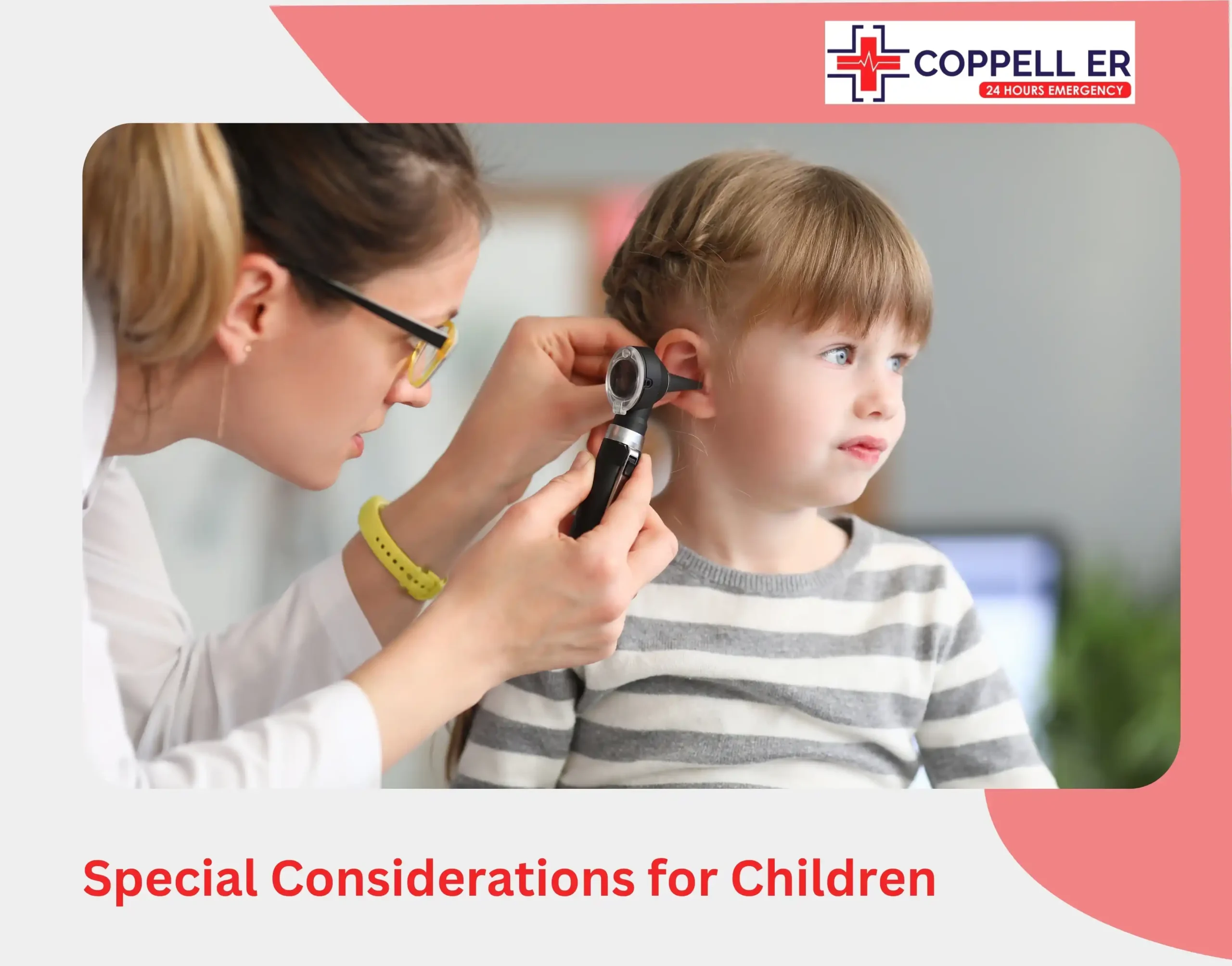
Determining when to go to the ER for ear pain in children requires extra vigilance since young patients often can’t clearly communicate their symptoms. Seek emergency care for children who:
- Pull or tug excessively at their ears while crying inconsolably
- Have temperatures above 102°F (38.9°C) that don’t respond to fever reducers
- Show signs of dehydration from refusing to eat or drink due to pain
- Display unusual lethargy or difficulty waking
- Develop any facial swelling or redness spreading from the ear
Infants under three months with any signs of ear infection should receive immediate medical evaluation, as their immune systems are still developing and infections can progress rapidly.
Key Takeaway
Ear pain ranges from mild discomfort to a sign of a more serious problem, and understanding that difference helps protect both your health and hearing. While some causes improve with simple home care or a routine medical visit, symptoms that are sudden, severe, or accompanied by complications call for prompt evaluation.
At Coppell ER, emergency physicians are available 24/7 to assess urgent causes of ear pain, perform the necessary testing, and provide timely, patient-centered treatment in a calm, supportive environment.
FAQs
1. How do I know when to go to the ER for ear pain?
Severe, sudden, or persistent ear pain, especially with fever, drainage, or hearing loss, often signals an ear pain emergency and requires immediate evaluation.
2. What are the severe ear infection symptoms I shouldn’t ignore?
High fever, worsening pain, dizziness, thick or bloody discharge, or swelling around the ear are considered severe ear infection symptoms and need emergency care.
3. Is sudden hearing loss an emergency?
Yes. Sudden muffling or loss of hearing can indicate inner-ear inflammation or nerve involvement and is treated as an ear pain emergency.
4. When is ear pain with fever a cause for concern?
Ear pain combined with a persistent or high fever often reflects an aggressive infection. This helps determine when to go to the ER for ear pain instead of waiting at home.
5. What does it mean if ear pain starts after a head injury?
Ear pain after trauma may indicate eardrum damage or deeper injury. Prompt ear pain treatment in the ER is recommended to prevent complications.