Two people can show up with the same blood pressure reading, and only one of them is having a hypertensive emergency. What separates them is not the number on the cuff, it is whether your organs are being damaged right now, and that only shows up on a workup.
At Coppell ER, board-certified physicians pair an EKG, on-site labs, and CT imaging to answer that question the same visit. If your blood pressure is severely elevated and something feels different this time, come get the reading checked against your actual condition.
Call Now: 469-763-3136
Hours: 24/7/365; walk-ins welcome
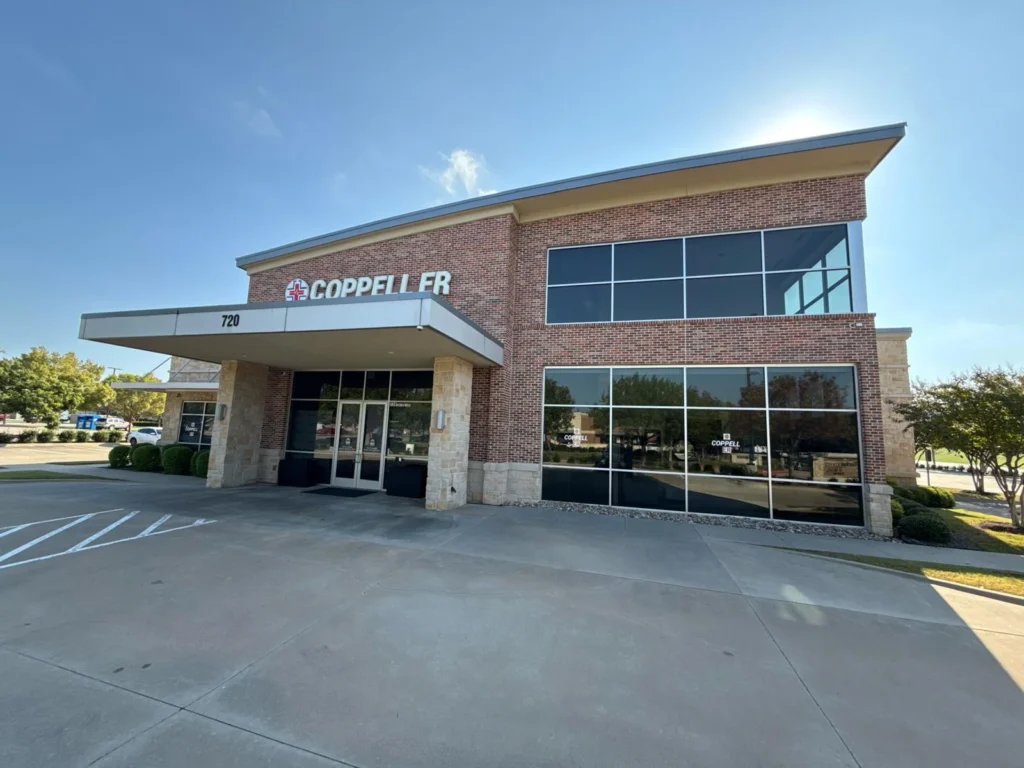
Walk-In: Coppell ER | 720 N Denton Tap Rd, Coppell, TX 75019
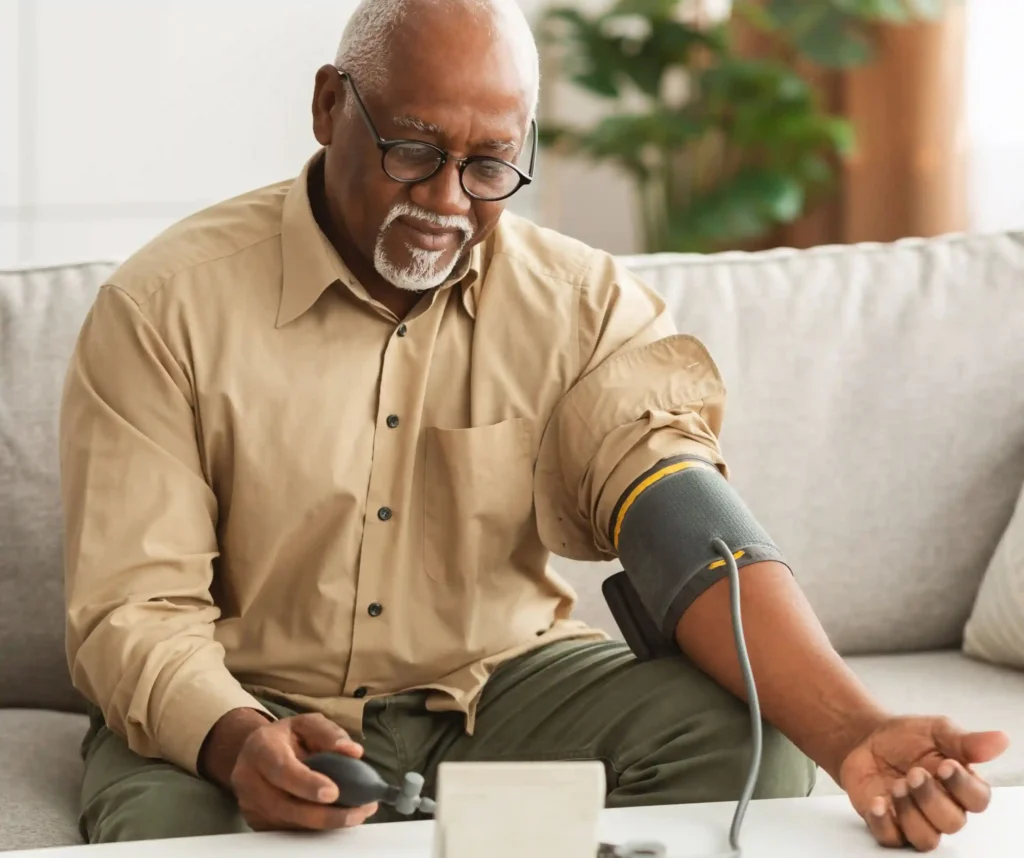
High blood pressure becomes a medical emergency when a severely elevated reading, generally 180/120 mmHg or higher, comes with signs that an organ is being harmed right now. The number alone never answers whether you’re facing a high blood pressure emergency. What you feel alongside it does. Knowing when to go to the ER for high blood pressure comes down to those accompanying symptoms, not the reading by itself.
Call 911 immediately if severely high blood pressure comes with stroke-like signs or chest pain: facial drooping, arm weakness, slurred speech, crushing chest pressure, or sudden vision loss. Every minute matters, and paramedics can begin treatment before you reach us.
Walk-in evaluation at Coppell ER is appropriate when your reading is severely elevated and you have:
The sign that gets missed most is the absence of any sign at all. Many people with a severely elevated reading feel completely normal, and that is exactly why the number cannot decide this alone; an evaluation for high blood pressure looks past how you feel to what your body is actually doing.
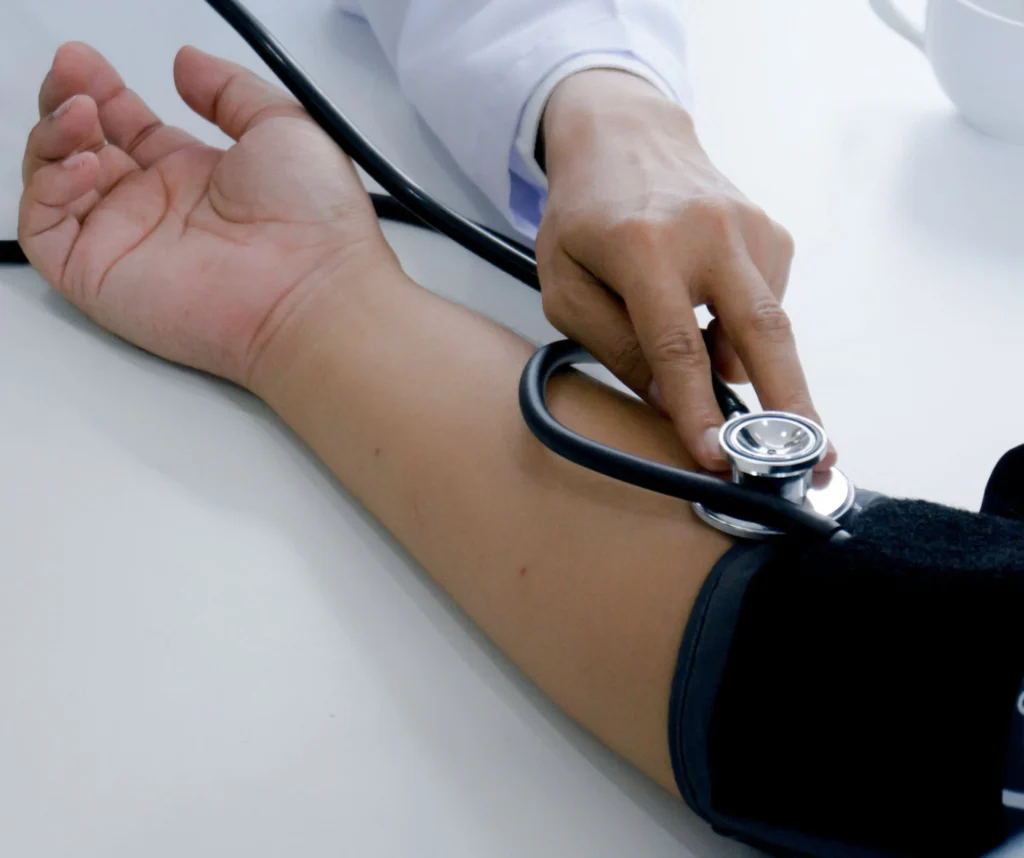
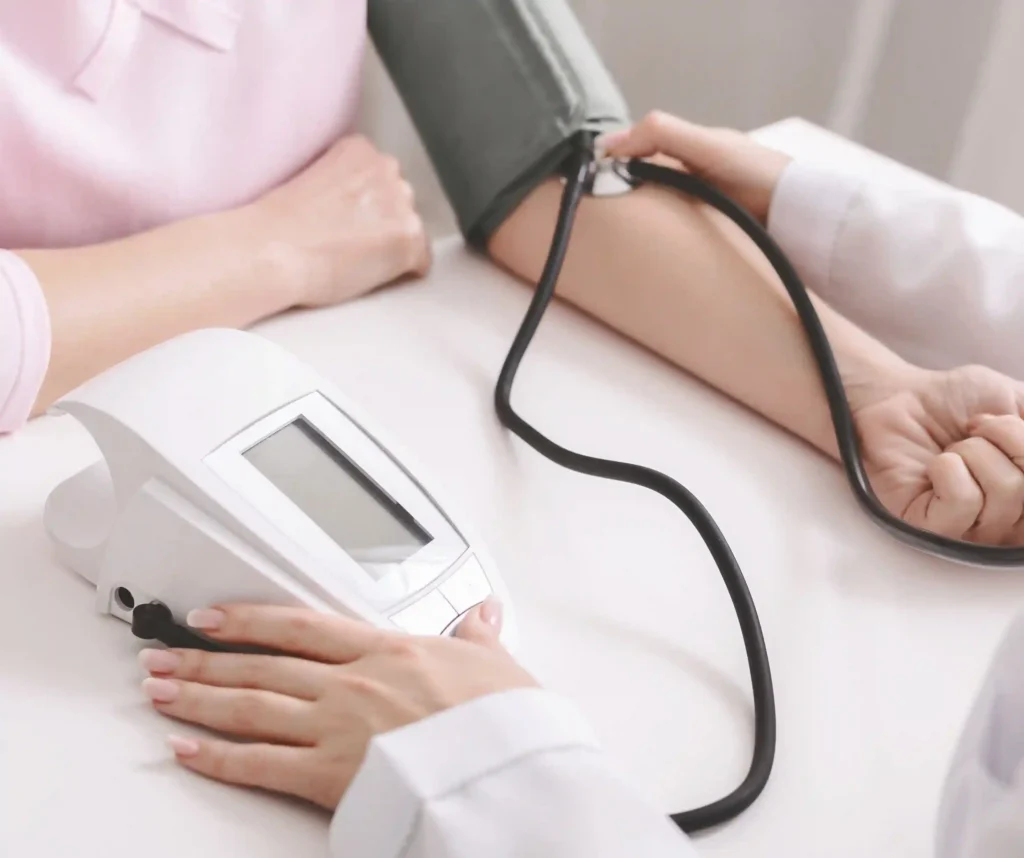
For years, a severely high reading with no symptoms was labeled a “hypertensive urgency” and often met with aggressive medication to force it down fast. National guidance changed that in 2025.
The American Heart Association and American College of Cardiology retired the term “hypertensive urgency” and replaced it with “severe hypertension,” specifically because rushing to lower an asymptomatic high number with IV medication was found to cause harm of its own, including kidney injury, without protecting anyone. Without organ damage, this is now managed with steady, monitored treatment and a clear plan for follow-up rather than a rapid drop. A true hypertensive emergency, where the brain, heart, kidneys, or eyes show acute damage, is treated on a completely different timeline with immediate, controlled IV therapy.
That distinction is the entire reason a workup matters more than a repeat cuff reading. The label your case gets after evaluation determines everything that happens next, from how fast we act to whether you need admission or can safely follow up as an outpatient.
A 190/125 reading in one patient can mean a same-day medication adjustment. In another, it can mean a stroke already in progress. The difference is entirely in what the organs are doing, not in the two extra points on the monitor.
Coppell ER separates the two with a same-visit workup: an EKG checks the heart’s rhythm and looks for strain, on-site labs check kidney function and look for protein or blood in the urine, and a CT scan images the brain when neurological symptoms or a severe headache are present. Vision changes prompt a direct exam for retinal damage. Each result either rules a target organ in or out, and the pattern across all of them is what determines whether you are watching a number or living through an emergency.
This is also where the condition can quietly overlap with other emergencies. Severe chest pain alongside a very high reading raises the question of aortic dissection, a tear in the body’s main artery, which is why chest symptoms get the same urgent workup as a heart attack; and a headache with neurological changes gets evaluated the same way we evaluate for stroke.

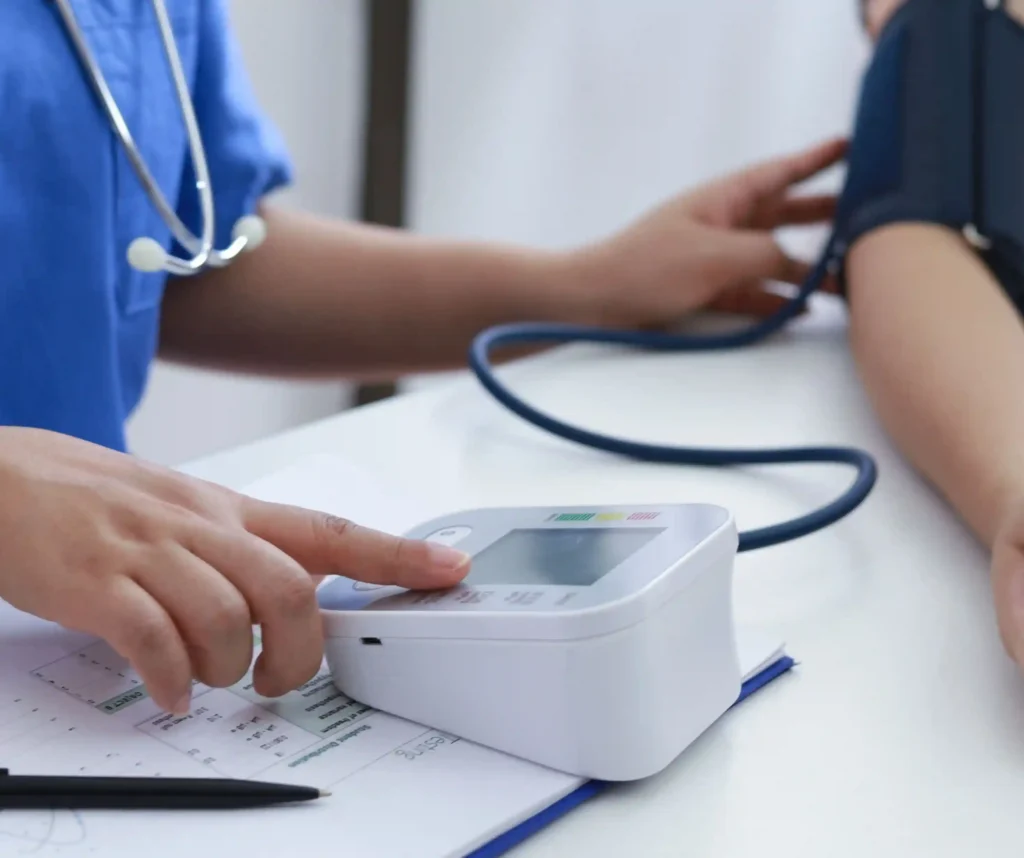
This workup at Coppell ER follows a set order, so the organ-damage question gets answered as fast as the equipment allows.
Most patients have a full picture within the hour, worked up under one roof instead of pieced together across separate appointments.
Treatment follows the diagnosis, not the reading, because forcing a number down fast is not always the safer choice.
If your case needs specialty follow-up, a cardiologist or nephrologist, we coordinate that directly rather than sending you off with a name and a phone number.
For queries related to billing, contact our billing department at:
Phone: (817) 785-8000
Email: info@aimbillingsolutions.com
Searching for an emergency room near me for a high blood pressure emergency? Coppell ER sits on 720 N Denton Tap Road and stays open 24 hours a day, every day of the year, including holidays.
If an emergency room near me search brought you here while your reading won’t come down, walk in without an appointment. We treat patients throughout Coppell and nearby communities, including Valley Ranch, Las Colinas, Irving, Lewisville, Flower Mound, and Carrollton.
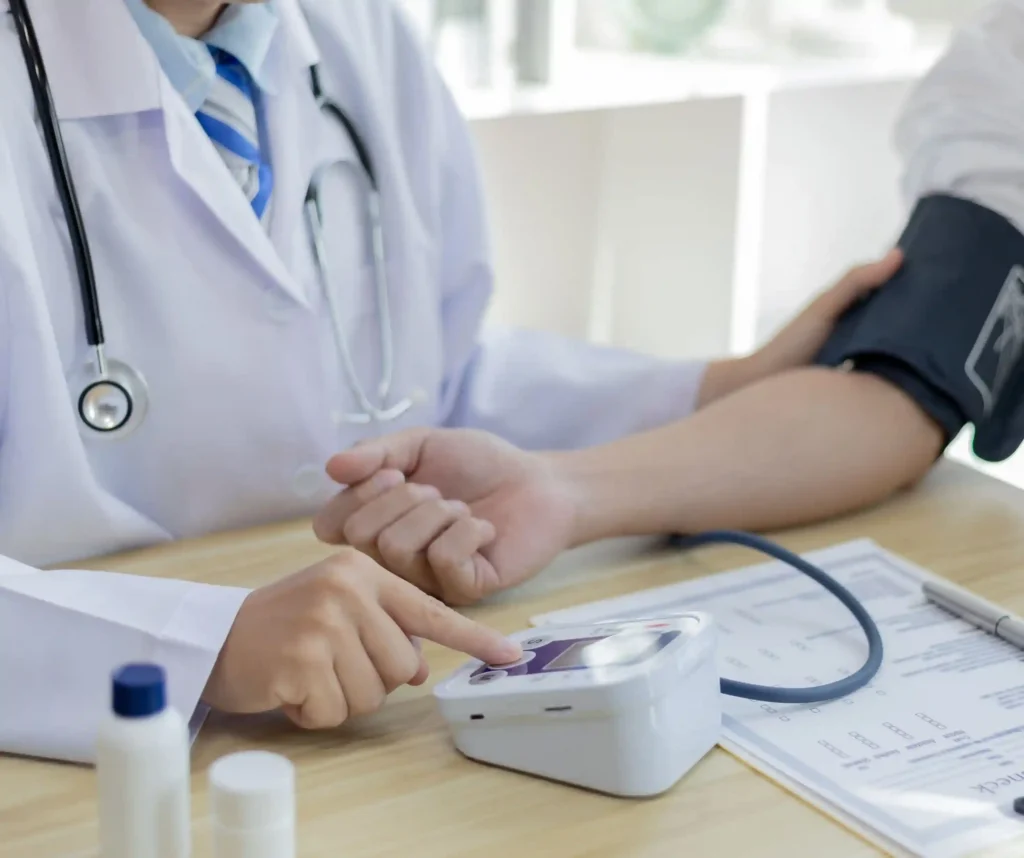
A high number at home can mean many things, a bad night’s sleep, missed medication, stress from the day. Most of the time, it settles with rest and your regular routine.
What it cannot tell you is whether an organ is being harmed right now. That question needs a workup, not a second reading, and Coppell ER runs that workup 24/7 for anyone whose number will not come down or whose symptoms feel new.
Call Now: 469-763-3136
Hours: 24/7/365; walk-ins welcome
Walk-In: Coppell ER | 720 N Denton Tap Rd, Coppell, TX 75019
A reading of 180/120 mmHg or higher is considered severely elevated. On its own, that number does not confirm an emergency. Whether it qualifies as one depends on whether symptoms of organ damage, like chest pain, vision changes, or confusion, come with it.
Knowing when to go to the ER for high blood pressure matters even without symptoms: a severely high reading is still worth same-day evaluation, especially if it is unusual for you. Under current guidance, it typically does not need aggressive IV treatment, but a workup confirms there is no hidden organ involvement before you go home.
Yes. This is one of the more common triggers for both, along with sudden vision loss and kidney injury. Stroke-like symptoms or crushing chest pain alongside a severe reading are a 911 emergency, not something to drive in and wait on.
Diagnosis combines a confirmed blood pressure reading with an EKG, bloodwork, a urinalysis, and CT imaging when neurological symptoms are present. Together, these show whether the heart, kidneys, brain, or eyes are being affected, which is what actually defines a hypertensive emergency.
It depends on what the workup finds. Confirmed organ damage to your heart, kidneys, or brain usually means admission for closely monitored treatment. Without organ damage, this is often manageable with same-day medication adjustment and a clear follow-up plan, avoiding an overnight hospital stay.
No. Walk in any hour, day or night, without an appointment. Coppell ER is open 24/7, including weekends and holidays, and we accept most major insurance plans with a no-surprise-billing policy, so a severely high reading never has to wait for a scheduled visit.
Need help?