
The difference between freestanding ER vs urgent care isn’t obvious until you need one of them at 2 AM with chest tightness or a child’s worsening fever. That’s when capability gaps become consequences.
Urgent care exists for predictable problems: stable symptoms, simple treatments, conditions that can wait. Freestanding emergency rooms exist for everything urgent care can and can’t handle; serious symptoms, uncertain diagnoses, situations where delays change outcomes.
One has CT scanners and cardiac monitoring. The other has basic X-rays and limited treatment options. Knowing which is which before symptoms force a rushed decision could be the difference between same-day recovery and hospital admission.
Urgent care centers fill the gap between your regular doctor and emergency care. They handle medical problems that need attention today but won’t threaten your life or require advanced intervention.
Most urgent care facilities operate 10 to 12 hours daily with limited weekend coverage and holiday closures. Staffing typically includes family medicine physicians, physician assistants, or nurse practitioners rather than emergency specialists.
The urgent care model works when your condition is stable, symptoms stay mild, and waiting creates no additional risk. Sore throats, ear infections, minor cuts, low fevers, small rashes, and common colds fit this category. These problems have predictable treatment paths and rarely surprise anyone with complications.
A freestanding ER is a licensed emergency department that meets the same regulatory standards as hospital emergency rooms. The difference is location. These facilities operate independently from hospital campuses, which eliminates the overcrowding and extended wait times that define most hospital ER experiences.
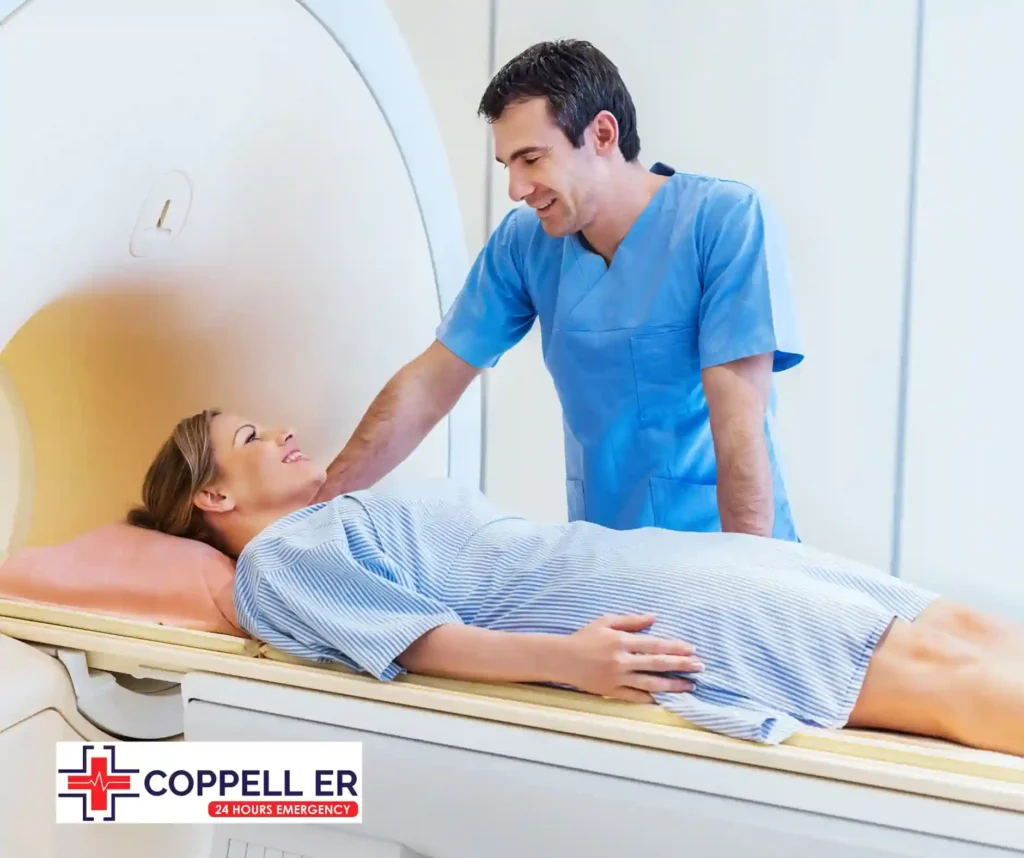
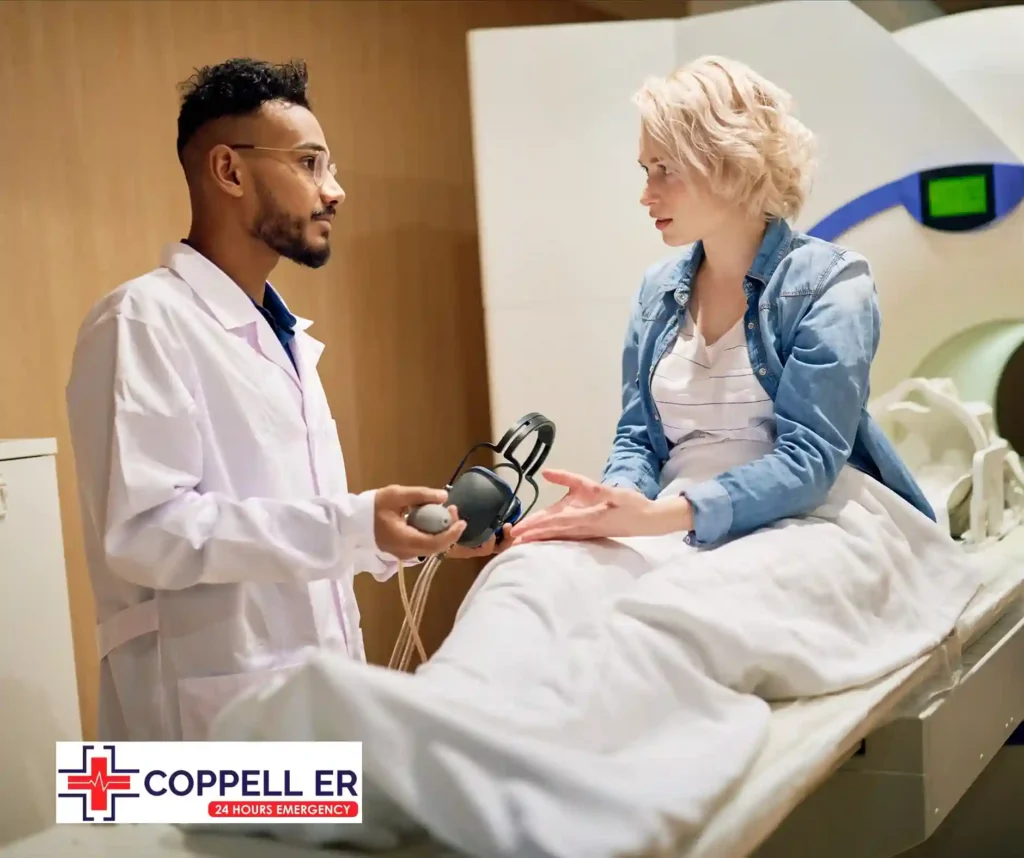
Freestanding emergency rooms provide board-certified emergency physicians around the clock, CT scanners and ultrasound on-site, comprehensive lab work including cardiac enzyme testing, IV medications, emergency-trained nursing staff, and direct coordination with hospitals when surgery or admission becomes necessary.
The capabilities mirror what you’d find in a hospital ER. The experience doesn’t.
Urgent care centers fill the gap between your regular doctor and emergency care. They handle medical problems that need attention today but won’t threaten your life or require advanced intervention.
Most urgent care facilities operate 10 to 12 hours daily with limited weekend coverage and holiday closures. Staffing typically includes family medicine physicians, physician assistants, or nurse practitioners rather than emergency specialists.
The urgent care model works when your condition is stable, symptoms stay mild, and waiting creates no additional risk. Sore throats, ear infections, minor cuts, low fevers, small rashes, and common colds fit this category. These problems have predictable treatment paths and rarely surprise anyone with complications.
Capability | Freestanding ER | Urgent Care |
Availability | 24/7/365 | Daytime hours, closed nights and holidays |
Physicians | Board-certified emergency medicine specialists | Family practice or midlevel providers |
Nursing Staff | ICU-trained registered nurses | Medical assistants or LPNs |
CT Scans | On-site, immediate | Not available |
Ultrasound | Available including cardiac imaging | Limited or none |
Lab Testing | Comprehensive with cardiac enzyme panels | Basic panels, often sent out |
IV Medications | Full emergency formulary | Minimal |
Cardiac Monitoring | Continuous ECG tracking | Basic ECG only |
Fracture Care | Reduction, casting, surgical coordination | Simple splinting |
Critical Conditions | Full stabilization and treatment | Must transfer out |
Hospital Coordination | Direct physician-to-physician transfer | Calls 911 |
Urgent care serves a specific purpose well. Stable conditions with straightforward treatments belong there. A sore throat that started yesterday. An ear infection makes your child irritable. A small cut that needs a few stitches. A twisted ankle that’s sore but bears weight. These problems have clear solutions that don’t require emergency resources.
The key word is stable. Symptoms aren’t worsening. Pain stays manageable. You could wait a few hours if you had to. Nothing about the situation suggests urgency beyond wanting to feel better soon.
When all of those conditions apply, urgent care offers convenient access at lower cost. When any of them doesn’t apply, emergency care becomes the better choice.
Certain symptoms signal conditions where every minute of delay affects outcomes. Don’t waste time with urgent care with these.

Include chest pressure or tightness, pain spreading to your jaw or arm, chest discomfort combined with shortness of breath, and heart palpitations accompanied by dizziness or fainting. These need cardiac monitoring and enzyme testing that urgent care cannot provide.
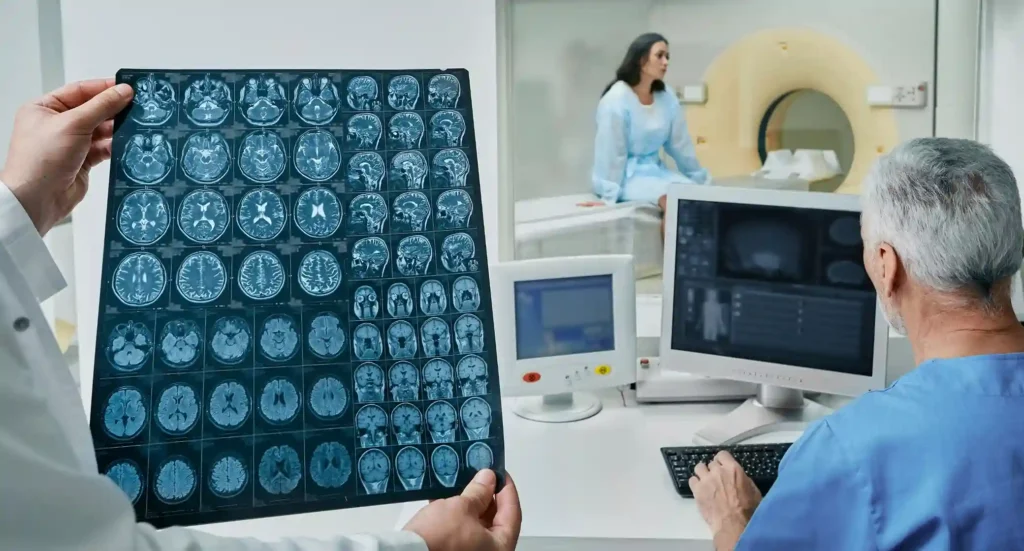
Present as sudden facial drooping, arm weakness, or slurred speech. The worst headache of your life, sudden confusion, loss of consciousness, seizures, and abrupt vision changes all require immediate CT imaging to identify strokes or brain bleeding.

Demand intervention when you struggle to breathe at rest, when an asthma attack doesn't respond to your inhaler, when something blocks your airway, or when chest pain accompanies each breath.

Requiring emergency care include head injuries with confusion or vomiting, deep wounds bleeding heavily, suspected fractures of arms, legs, or ribs, significant burns, and eye injuries.

Szuch as severe or worsening belly pain, vomiting combined with abdominal pain, right lower quadrant tenderness with fever, suspected kidney stones, and blood in vomit or stool all need imaging and lab work beyond urgent care capabilities.
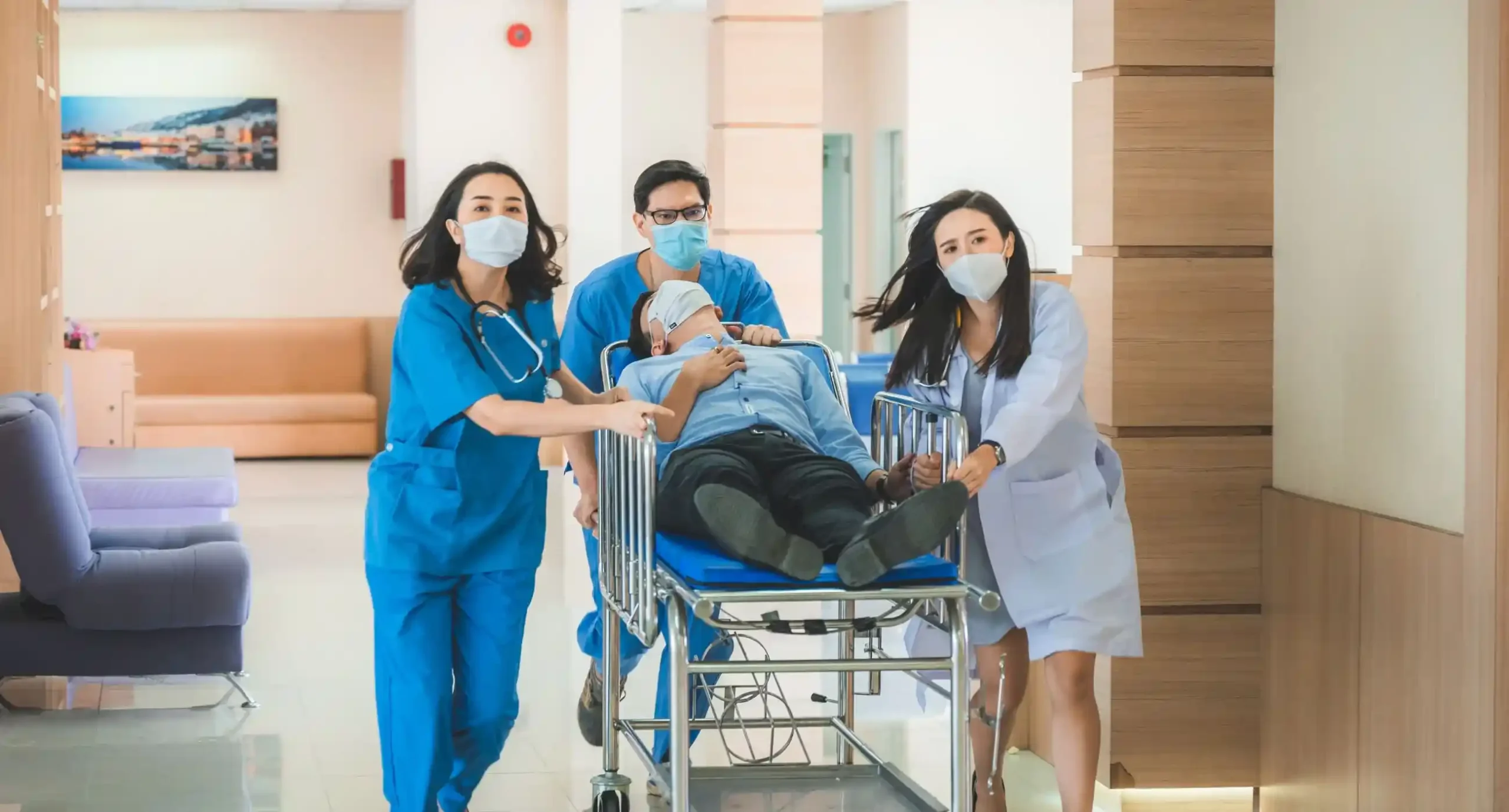
Requiring emergency evaluation include high fever with confusion, severe dehydration when you cannot keep fluids down, allergic reactions causing throat swelling or breathing difficulty, bleeding that won't stop, and poisoning or overdose.
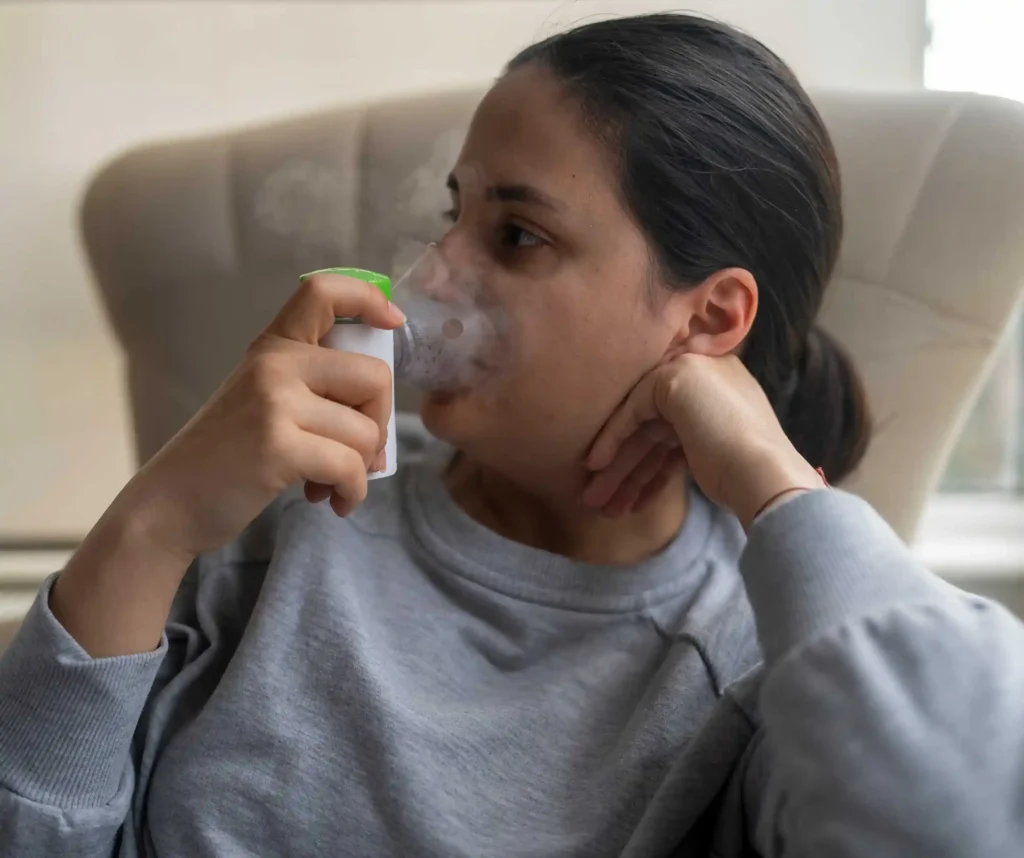
Medical problems don’t follow business hours. Symptoms that seem manageable at dinner can become frightening by midnight. And at 3 AM, urgent care isn’t an option anyway.
But the 3 AM question applies even during business hours. Ask yourself: if this happened at 3 AM, would I drive to the emergency room or wait until morning?
If the answer is an emergency room, go now. Daylight doesn’t change the severity of your symptoms. It just makes it easier to convince yourself that waiting is reasonable.
Other signals that suggest emergency care regardless of the hour include symptoms that appeared suddenly and severely, a condition worsening despite rest or home treatment, pain you would describe as severe or unbearable, combinations of symptoms like fever with chest pain or headache with vision changes, and the persistent feeling that something is seriously wrong.
Trust that instinct. People who seek emergency care for false alarms feel relieved. People who talk themselves out of going often regret it.
The diagnostic tools available at a facility determine what conditions can be identified and how quickly.
Urgent care relies on basic X-rays, simple lab tests that often get sent to outside facilities, and physical examination. This works for confirming a broken finger or diagnosing strep throat. It fails for anything requiring deeper investigation.
Emergency rooms maintain CT scanners that identify strokes, brain bleeding, blood clots in the lungs, appendicitis, kidney stones, and internal injuries. Ultrasound reveals gallbladder disease, abdominal fluid, cardiac function problems, and deep vein clots. Comprehensive lab panels detect heart attacks through enzyme testing, severe infections, organ dysfunction, and dangerous electrolyte imbalances.
These tools do more than confirm suspicions. They catch serious conditions hiding behind common symptoms. The headache that turns out to be a brain bleed. The back pain that’s actually a kidney infection. The breathlessness that reveals clots in the lungs.
Without access to CT scanning and comprehensive labs, urgent care cannot rule out these possibilities. They can only tell you to go somewhere that can.
Diagnosis only matters if treatment follows. Here the gap widens further.
Emergency rooms deliver IV medications that take effect within minutes. IV fluids reverse dehydration and stabilize blood pressure. Cardiac medications address heart rhythm problems and chest pain. IV antibiotics fight serious infections faster than pills ever could.
Beyond medications, emergency rooms provide breathing treatments with continuous monitoring, blood transfusions when needed, fracture reduction before casting, complex wound repair, and full life support capabilities.
Urgent care offers oral medications, limited IV options, simple wound closure, basic splinting, and standard nebulizer treatments. For conditions requiring more than these basics, urgent care has reached its limit.
Urgent care costs less for truly minor problems. Strep throat, simple cuts, and mild sprains belong there financially as well as medically.
But choosing wrong costs more. Visiting urgent care with chest pain or severe abdominal symptoms means paying that facility, then paying the emergency room when they send you there. Two visits, two bills, and delayed treatment.
For conditions that clearly need emergency resources, starting at the ER means one facility, one bill, immediate care, and often better outcomes.
Insurance covers emergency care at freestanding ERs similar to hospital coverage. Verify your specific plan’s network, but never delay emergency care over cost concerns. True emergencies are always covered, and your health cannot be rebilled.
Some conditions require resources beyond any emergency room. Cardiac catheterization, emergency surgery, intensive care admission, and highly specialized interventions happen at hospitals. Freestanding emergency rooms stabilize these patients and coordinate direct transfers. The process happens physician to physician, with your medical records, imaging, and lab results traveling with you. The receiving hospital knows your condition before you arrive, eliminating redundant testing and accelerating definitive care.
This coordination happens seamlessly because freestanding ERs maintain established relationships with regional hospitals. Stabilization plus rapid transfer often produces better outcomes than waiting in a crowded hospital ER for the same specialists.
ER of Coppell provides full emergency capabilities in a facility designed for efficiency rather than volume.

Board-certified specialists in emergency medicine evaluate your symptoms and begin treatment immediately. No waiting for on-call doctors. No handoffs to less experienced providers overnight.
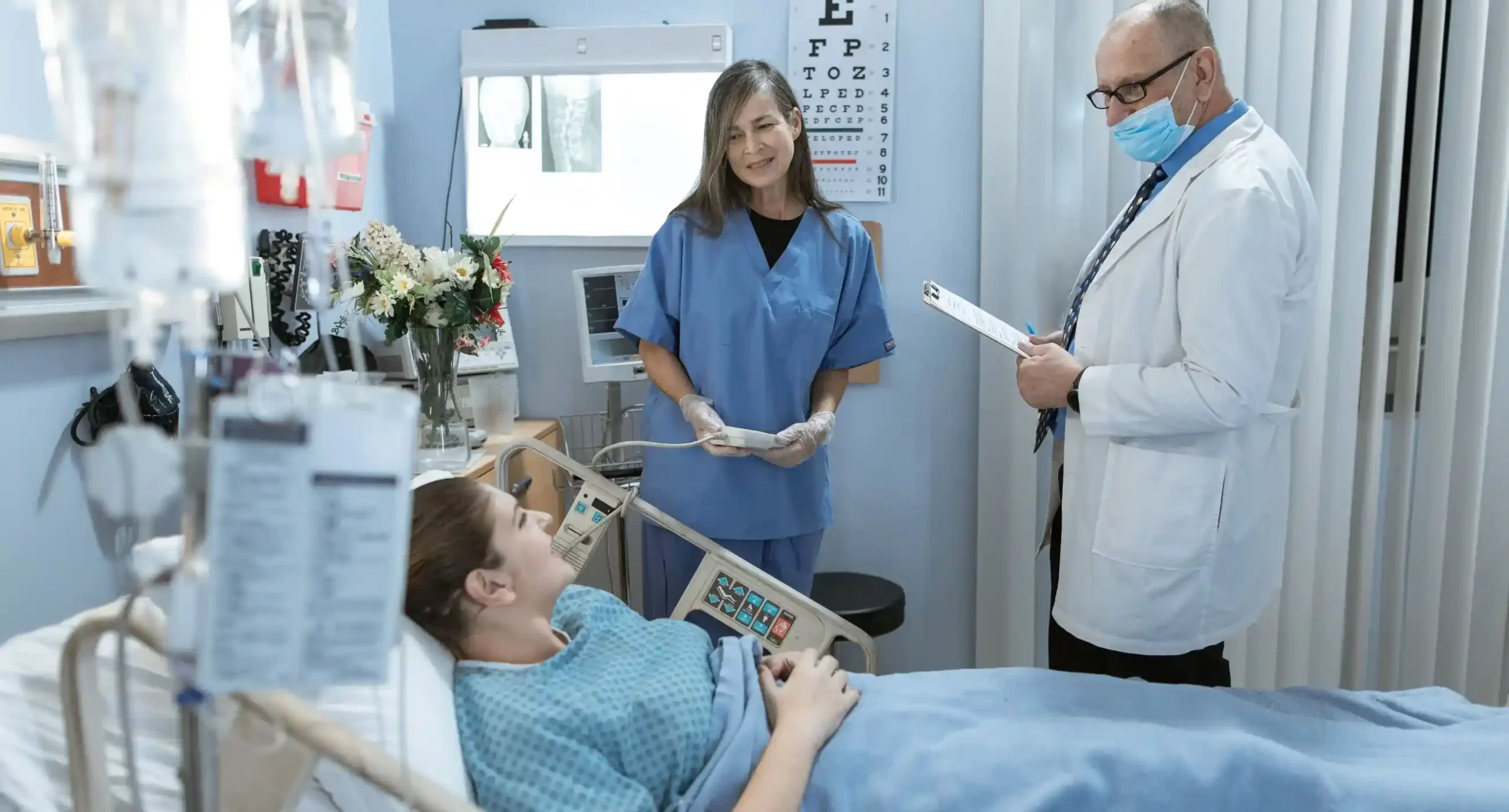
CT scanning, ultrasound, digital X-ray, comprehensive laboratory testing, and continuous cardiac monitoring allow rapid identification of serious conditions. When minutes matter, we have the tools to find answers fast.

IV medications, fluid resuscitation, cardiac interventions, respiratory support, fracture stabilization, and complex wound care happen on-site. Pediatric emergencies receive age-appropriate care with properly sized equipment and child-specific protocols.
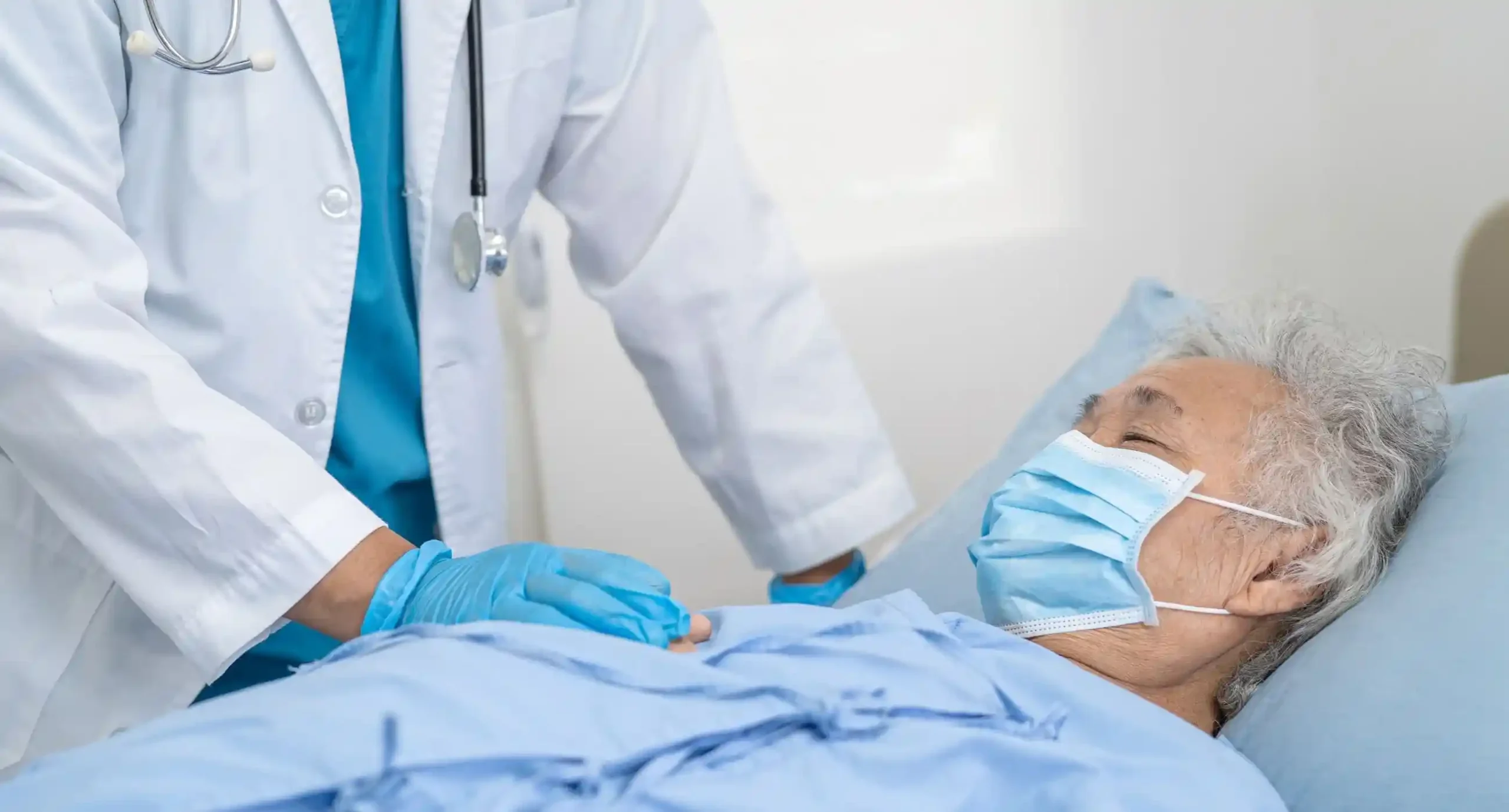
Nights, weekends, holidays. Walk in whenever symptoms develop.
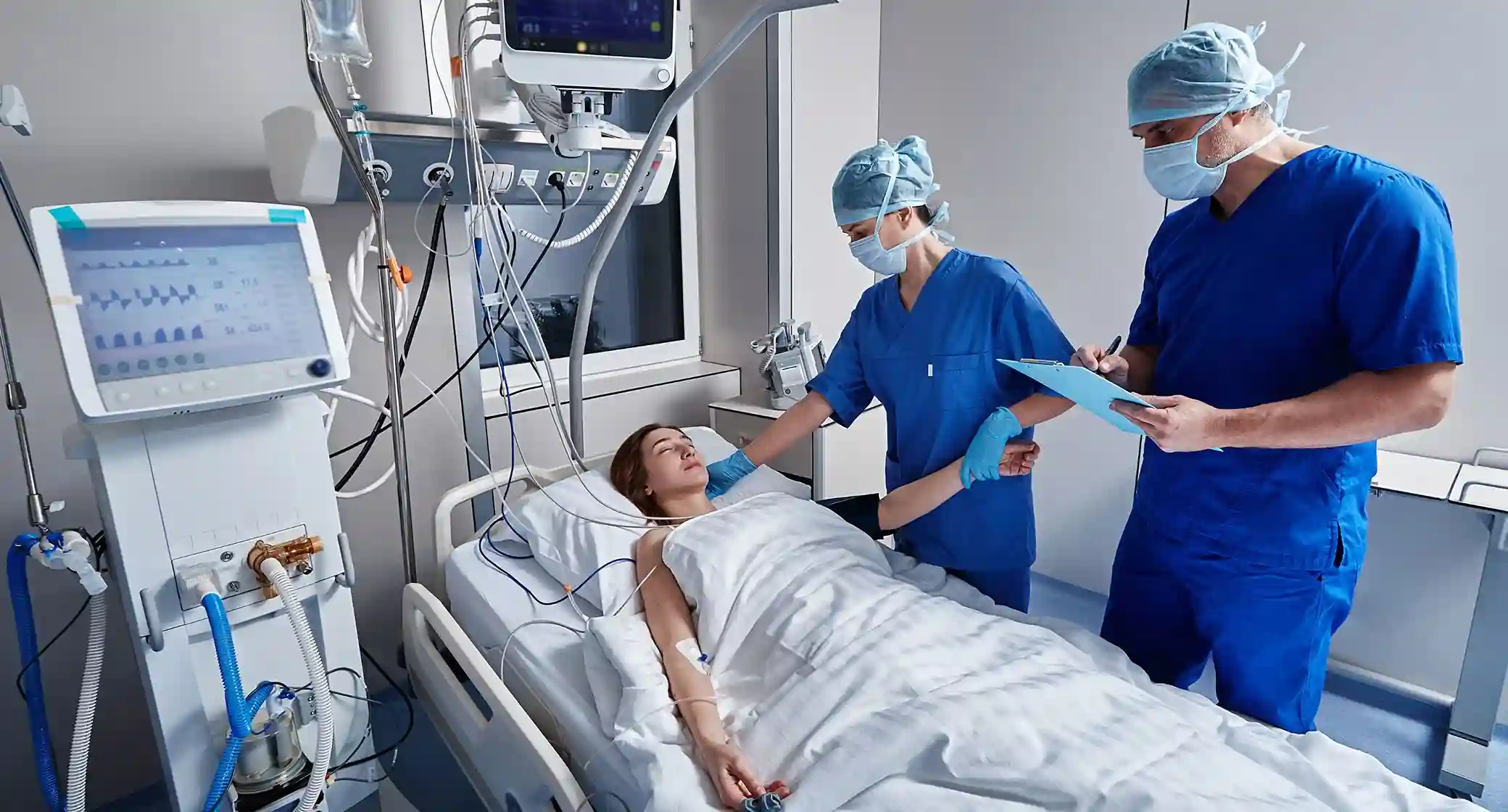
Care happens in private rooms where your family can stay with you. Clean, modern, and focused on reducing stress during medical crises.

We work with most major carriers and maintain a no balance billing policy. Patients without insurance receive upfront cost information and flexible payment options.
When hospitalization becomes necessary, we stabilize you and coordinate transfer directly with receiving hospitals, ensuring your care continues without gaps.
Understanding freestanding ER vs urgent care comes down to matching your condition to the facility that can actually address it. Urgent care handles stable, minor conditions efficiently during business hours. Emergency rooms handle serious symptoms, uncertain diagnoses, and conditions requiring advanced imaging or IV treatment around the clock.
Chest symptoms need cardiac monitoring and enzyme testing. Stroke signs need CT imaging fast. Serious infections need IV antibiotics. Breathing emergencies need oxygen and advanced intervention.
ER of Coppell maintains these capabilities every hour of every day. When your symptoms demand more than urgent care can offer, we provide the diagnostic technology, treatment capabilities, and emergency expertise to help.
Urgent care treats minor conditions during limited hours using basic equipment and general practitioners. Freestanding emergency rooms operate 24/7 as fully licensed emergency departments with CT scanners, cardiac monitoring, IV medications, and board-certified emergency physicians.
No. Chest pain requires cardiac monitoring, enzyme testing, and potentially CT imaging to rule out heart attacks and other serious conditions. Urgent care lacks this equipment and will send you to an emergency room, delaying your care.
They will refer you to an emergency room. This means driving to another facility, starting evaluation over, and paying two bills while treatment gets delayed. For symptoms that might be serious, starting at the ER avoids these problems.
Yes. Freestanding emergency rooms maintain pediatric equipment and protocols for treating children of all ages. Emergency physicians receive training in pediatric emergencies as part of their specialty certification.
Ask whether you would go to the emergency room if these symptoms appeared at 3 AM. Consider whether symptoms appeared suddenly, are worsening, involve severe pain, or include concerning combinations. When uncertain, the ER is the safer choice.
For minor conditions, yes. For emergencies, starting at the ER typically costs less than visiting urgent care first and getting transferred. You pay one facility instead of two, and faster treatment often means better outcomes.
Freestanding ERs stabilize your condition and arrange direct transfers to hospitals. Your records, images, and lab results transfer with you. The receiving hospital knows your situation before you arrive, so care continues without unnecessary delays.
Need help?