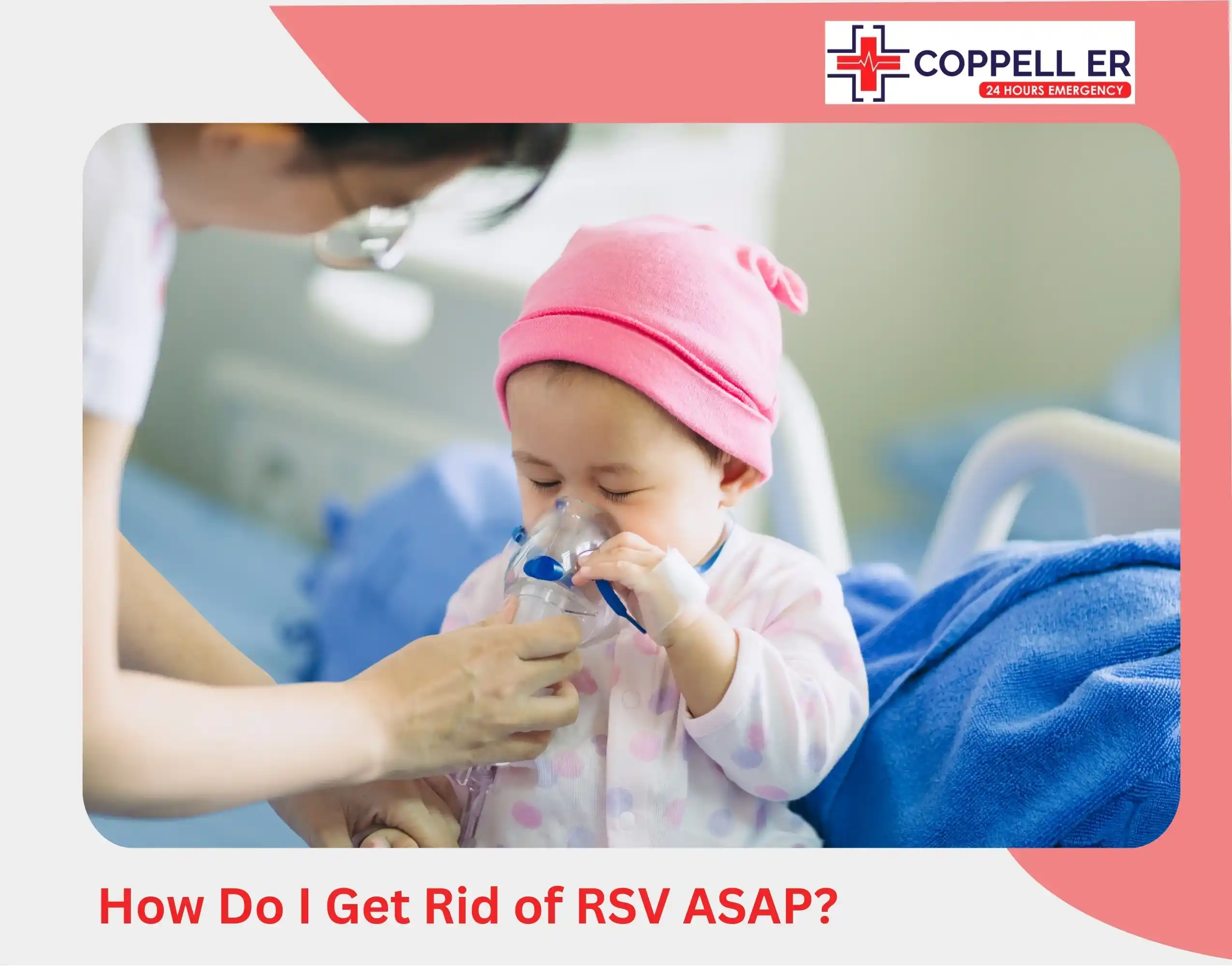
Doctors are warning that RSV cases are actively rising across North Texas. With the holiday season underway, family gatherings create the perfect environment for this contagious virus to spread.
As the name suggests, RSV (respiratory syncytial virus) inflames the respiratory tract. It affects children more severely because their airways are smaller. Even mild swelling can partially block airflow, leading to breathing difficulty and drops in oxygen levels.
Understanding how to get rid of RSV asap helps reduce how long you are contagious and protects children and other vulnerable people around you. This guide explains how to recover as safely and quickly as possible for adults, kids, and infants.
What Is RSV and How Long Does It Last?
Respiratory Syncytial Virus (RSV) is a common virus that attacks the upper and lower respiratory tract. RSV inflames the airways, increases mucus production, and reduces oxygen exchange. It typically begins with symptoms similar to a severe cold e.g., sore throat, runny nose, or low-grade fever.
- Duration: Symptoms typically last 7–14 days, though a lingering cough can continue for a few weeks.
- Symptom Peak: Most people feel their worst around days 3–5, when cough, congestion, and fever are at their strongest.
- Higher-Risk Groups: Infants, older adults, and people with weak immune systems or chronic health conditions are more likely to develop serious complications, such as trouble breathing or pneumonia.
How To Get Rid of RSV: 7 Smart Ways to Recover Faster
RSV recovery speed depends heavily on how you manage symptoms and support your immune system. Here’re 7 ways to get rid of RSV fast:
1. Drink Plenty of Fluids
RSV thickens mucus, which blocks airways and prolongs coughing.
- Drinking plenty of water thins mucus and makes it easier to breathe and clear your airways through coughing.
- Warm broths or herbal teas soothe the throat and help maintain hydration.
- Staying hydrated prevents fatigue and supports your immune system to fight the virus.
2. Get Lots of Rest
- Sleep and quiet downtime give your body energy to fight RSV.
- Take naps or short breaks during the day to help with recovery.
- Avoid strenuous activities until symptoms improve.
3. Keep the Air Moist
- Use a cool-mist humidifier to add moisture to the air and ease congestion.
- Take steam showers or spend a few minutes in a steamy bathroom to soothe your airways.
- Moist air helps reduce coughing, especially at night.
4. Clear the Airways
- Infants benefit from saline drops and gentle suction with a bulb syringe.
- Older children and adults can use saline sprays or neti pots to keep nasal passages open.
- Clearing nasal congestion improves breathing and comfort.
5. Sleep with Your Head Elevated
- Raising your head slightly helps mucus drain naturally.
- Use pillows or a wedge to maintain elevation.
- This can make nighttime breathing easier and reduce coughing.
6. Control Fever and Aches
- Use acetaminophen or ibuprofen. These medications do not cure RSV, but they reduce stress on the body, helping it fight more efficiently.
- Follow proper dosing instructions, especially for children.
- Managing discomfort improves sleep and supports recovery.
7. Eat Foods That Help You Heal
- Eat chicken soup, fruits, vegetables, and warm drinks for hydration and nutrients.
- Foods rich in vitamins and antioxidants help your immune system fight RSV.
- A healthy diet supports recovery and energy levels.
What Doesn’t Help with RSV
- Antibiotics: Unlike bacterial infections, antibiotics do not kill RSV. The body must clear the virus on its own, within the course of 7–14 days. Taking them unnecessarily can cause side effects and resistance.
- Over-the-Counter Cough and Cold Medications for Kids: Many OTC medicines are unsafe for children under 4. They usually do not relieve RSV symptoms and may cause harm.
Never give aspirin to children (risk of Reye’s syndrome).
- Extra Vitamins: Unless you have a deficiency, taking extra vitamins will not speed up recovery. Eat a balanced diet rather than taking supplements to heal faster.
- Overuse of Cough Suppressants: Coughing clears infected mucus. Suppressing it completely can trap secretions and worsen lung inflammation.
Create a Recovery-Friendly Environment
- Keep the Air Comfortable: Maintain a cool, comfortable room temperature around 68–72°F.
- Avoid Smoke and Pollution: Stay away from cigarette smoke, vaping, or strong chemical fumes. Limit exposure to outdoor pollution when possible.
- Maintain Clean, Fresh Spaces: Keep rooms tidy and free of dust, but avoid using strong chemicals to over-sanitize.
- Minimize Stress and Noise: A calm, quiet environment allows better rest and faster recovery.
When to Seek Medical Help for RSV
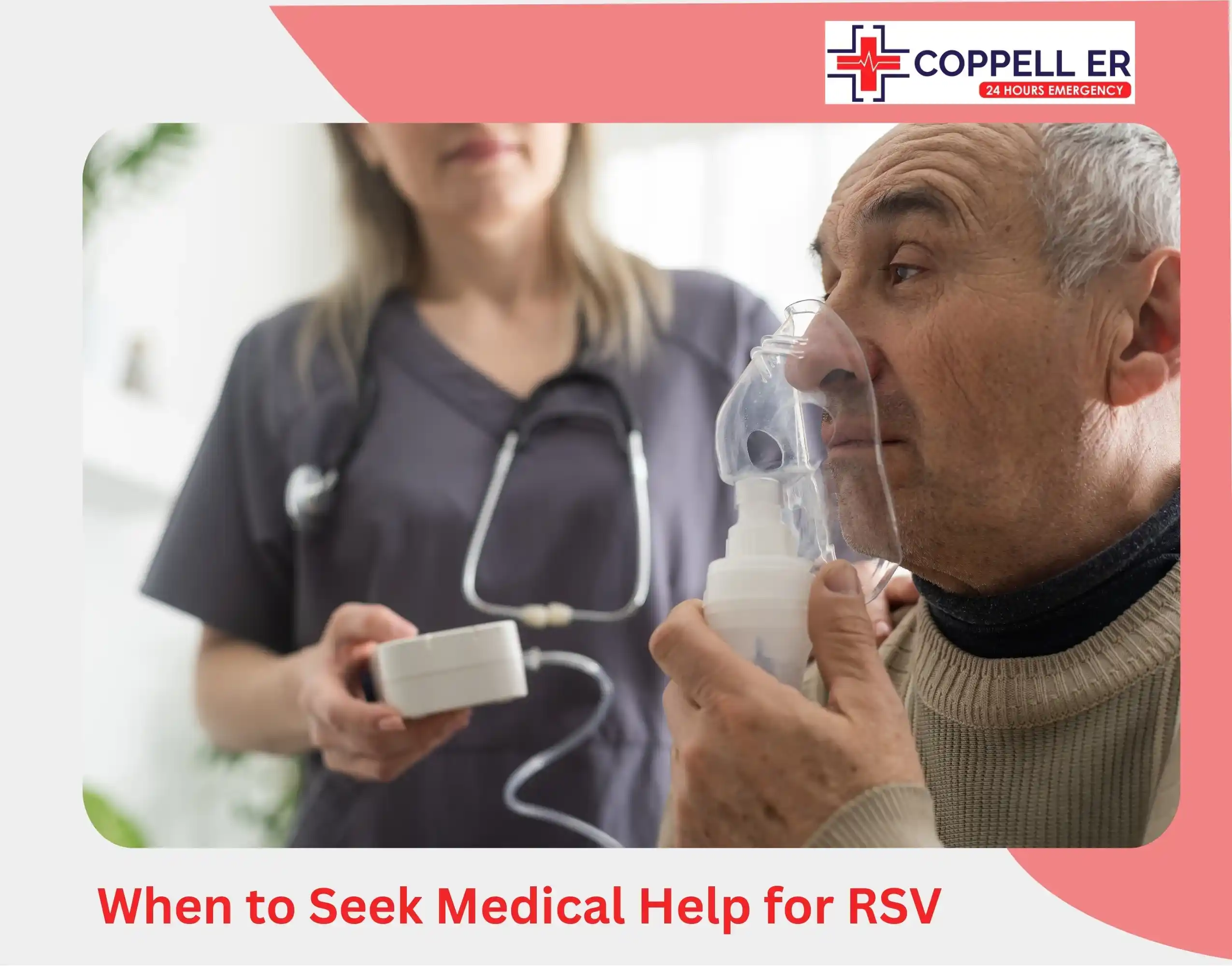
Don’t wait to get emergency medical care if the following signs appear:
- Trouble Breathing: Rapid breathing, wheezing, or difficulty catching your breath is a serious sign. Infants may show chest pulling in with each breath or flaring nostrils.
- Blue Lips or Fingernails: A bluish color around the lips or nails means low oxygen levels.
- High or Persistent Fever: A fever that doesn’t go down or spikes high can indicate worsening infection.
- Extreme Tiredness or Confusion: Severe lethargy, unusual sleepiness, or confusion is a red flag.
- Dehydration or Refusing to Eat/Drink: Fewer wet diapers in infants, dry mouth, dizziness, or refusal to drink are warning signs.
High-Risk Individuals Need Extra Care
Infants under 6 months, adults over 65, and anyone with chronic illnesses or weak immunity. These groups can develop complications more quickly and should receive prompt evaluation in the emergency room.
Vaccination and Protection Against RSV
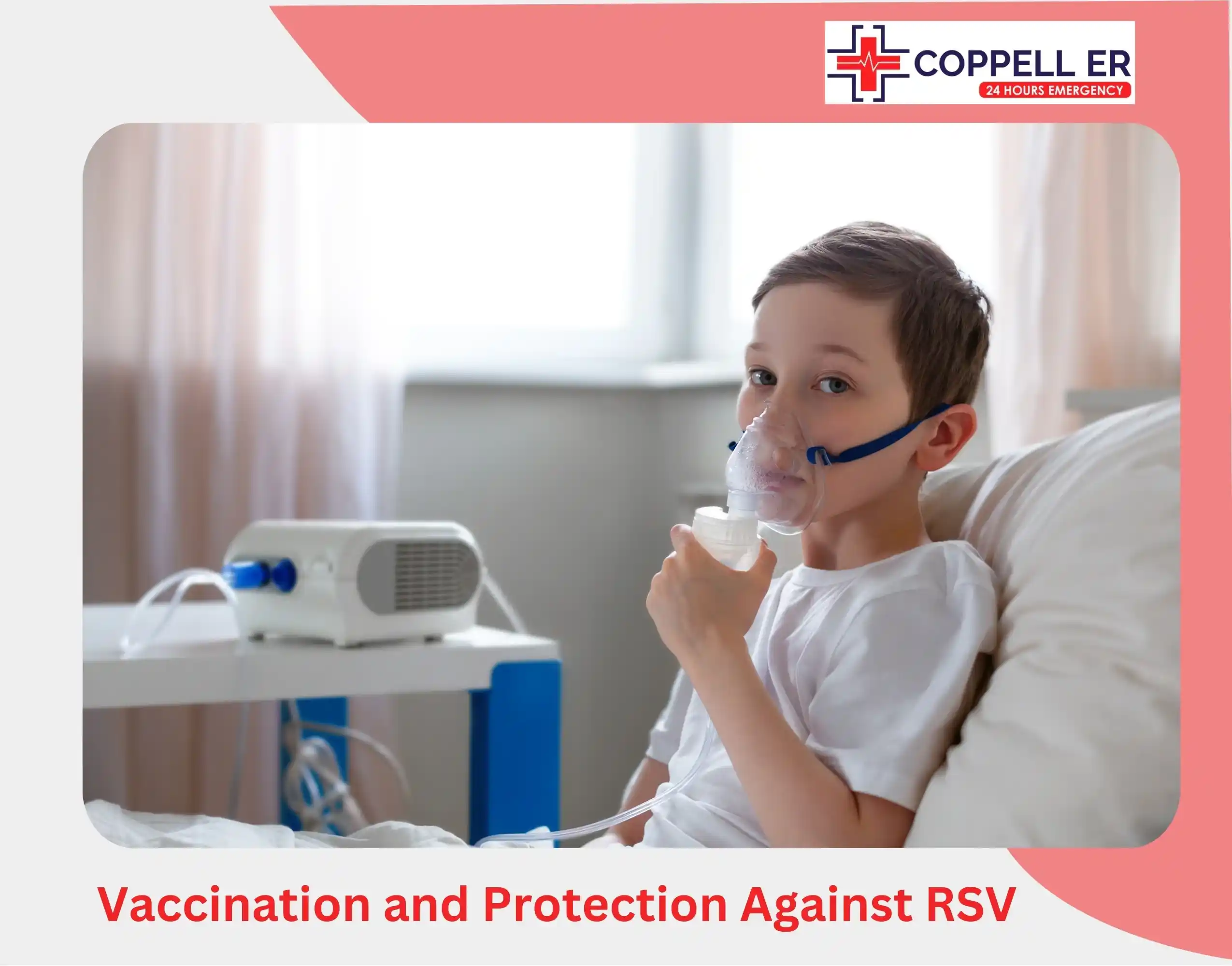
Maternal Vaccination
Vaccinating pregnant women during the third trimester stimulates maternal antibodies that pass through the placenta. This strategy reduces the risk of severe RSV infection and hospitalization in infants during the first few months of life.
Monoclonal Antibody Injections for Infants
High-risk infants, such as those born prematurely or with chronic lung or heart conditions, can receive monoclonal antibody prophylaxis (e.g., Nirsevimab) during RSV season. These injections provide passive immunity, lowering the chance of severe RSV disease.
RSV Vaccines for Older Adults
Adults over 60 or those with chronic conditions (lung disease, heart disease, or immunocompromised states) can receive approved RSV vaccines to prevent severe respiratory illness.
Vaccination reduces the risk of hospitalization, serious complications, and progression to lower respiratory tract infections, such as bronchiolitis or pneumonia.
Final Thoughts
For most people, how to get rid of RSV as quickly as possible comes down to early symptom control, proper hydration, and close monitoring at home. The key is knowing when recovery is on track and when the virus is starting to strain the lungs.
When RSV moves beyond typical cold symptoms, Coppell residents have 24/7 access to ER Coppell for immediate respiratory care. Our facility can provide oxygen support, breathing treatments, and continuous monitoring for worsening cough or breathing difficulty. We can also detect secondary infections early, thanks to our on-site labs and imaging services.
FAQs About RSV
1. How can I tell RSV apart from a cold or flu?
RSV often starts like a mild cold, with a runny nose and cough. But it can turn into more serious breathing problems, such as wheezing, rapid breathing, or chest retractions, especially in infants and older adults. Unlike the flu, RSV rarely causes severe body aches or sudden high fever in healthy adults.
2. Can RSV be treated at home safely?
Yes, most healthy individuals can manage RSV at home with rest, hydration, and supportive care. However, infants, older adults, and people with chronic illnesses should be monitored closely. Any signs of breathing difficulty, high fever, or dehydration require immediate medical evaluation.
3. How long does RSV usually last?
RSV symptoms generally peak between days 3 and 5 and resolve within 7–14 days. A residual cough can linger for several weeks. Recovery may take longer in high-risk populations.
4. Can adults get serious RSV complications?
Yes, older adults, immunocompromised individuals, and people with chronic heart or lung disease can develop severe RSV complications such as pneumonia or bronchiolitis. Early medical intervention is critical in these cases.
5. Are there vaccines to prevent RSV?
Yes, maternal vaccination during pregnancy can protect newborns. High-risk infants can receive antibody injections during RSV season, and adults over 60 or those with chronic illness can get RSV vaccines to reduce the risk of severe disease.