Fever is your body’s way of fighting off infections like the flu or a cold. It’s common in adults and kids, and most fevers go away on their own. But when you’re feeling hot and achy, you might wonder if a Hot Or cold shower for Fever helps.
Remember, while most fevers are mild, always monitor symptoms and seek professional care if needed.
What Temperature Actually Counts as a Fever

Here’s what counts as a fever:
Measurement Method |
For Adults |
For Children/Babies |
| Oral (mouth) | ≥ 100.4°F (38°C) | ≥ 100.4°F (38°C) |
| Rectal | ≥ 100.4°F (38°C) | ≥ 100.4°F (38°C) – most accurate |
| Armpit (axillary) | ≥ 99.4°F (37.4°C) | ≥ 99.4°F (37.4°C) |
| Ear or forehead | ≥ 100.4°F (38°C) | ≥ 100.4°F (38°C) |
What Causes Fever in Adults and Children

A fever happens when your body temperature rises above 98.6°F (37°C). It’s often due to viruses, bacteria, or other issues. For most people in the USA, a low fever isn’t a big deal and can be handled at home. The most common causes include:
- Viral infections
- Bacterial infections
- Post-vaccination immune response
- Inflammatory or autoimmune conditions
- Heat exhaustion or heat stroke
- Certain medications or drug reactions
- Teething in infants
Hot Or Cold Shower For Fever: What to do?
Is a Hot Shower Good for Fever?
A hot shower might feel relaxing, but it’s not the best choice when you have a fever. Hot water can raise your body temperature more, making you feel worse. It can also make you dizzy if you’re already weak from illness.
Some people think steam from a hot shower helps with congestion during a cold or flu, but it’s better to use a humidifier or sit in a steamy bathroom without getting fully wet. Skip hot showers to avoid overheating your body.
Is a Cold Shower Good for Fever?
You might think a cold shower will cool you down fast, but it’s not safe. Cold water can shock your body, causing shivering. Shivering makes your muscles work hard, which actually raises your core temperature.
This can make your fever worse instead of better. Cold showers are great for other things, like after a workout, but not for fever relief.
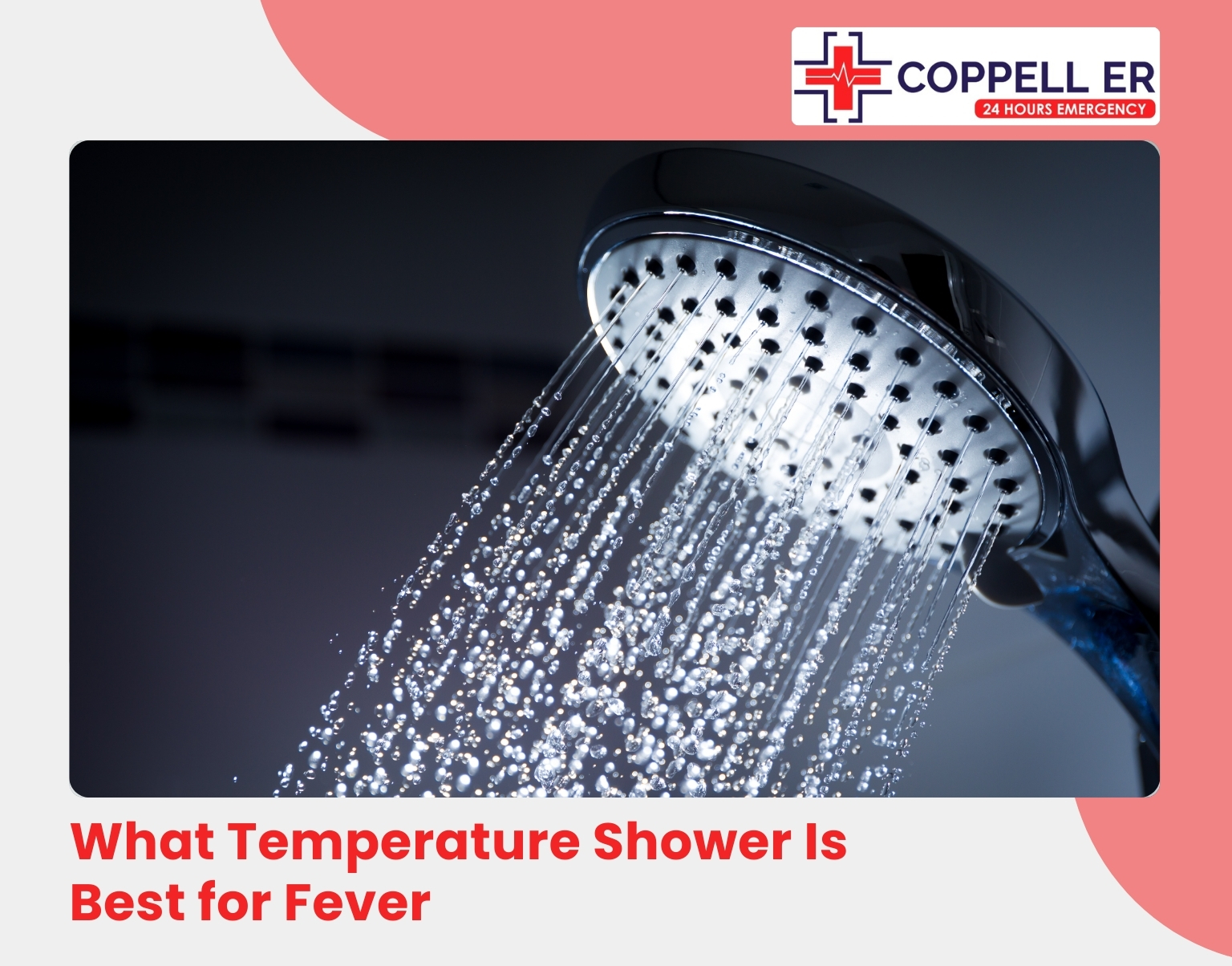
What Temperature Shower Is Best for Fever
Lukewarm water at 85-95°F (29-35°C) is ideal. It cools you gently without shocks.
Type |
Temperature Range |
Safe? |
| Hot | >100°F (38°C) | No |
| Cold | <80°F (27°C) | No |
| Lukewarm | 85–95°F | Yes |
How Long Does Fever Usually Last
Most fevers from common illnesses resolve on their own. Typical durations:
Cause |
Usual Duration |
| Viral infections | 1-4 days |
| Flu | 3-7 days |
| COVID-19 | 2-14 days |
| Bacterial (treated) | 1-3 days after antibiotics |
When Is a Fever Too High in Adults?
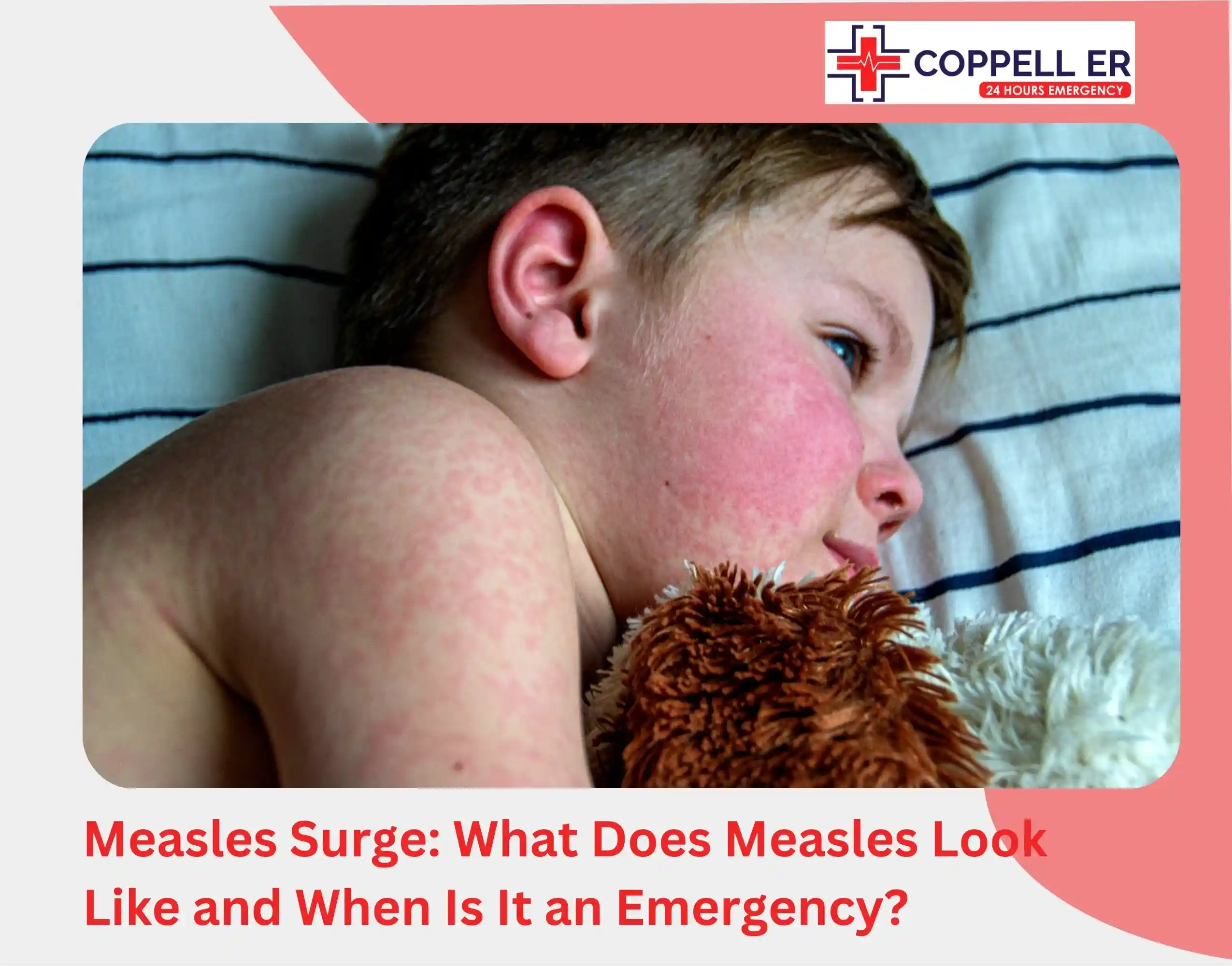
A fever over 103°F (39.4°C) that doesn’t respond to meds is concerning. Seek emergency care if it’s 105°F (40.6°C) or higher, or with symptoms like severe headache, confusion, or rash.
Is Taking Bath in Fever Good or Bad for Adults
It’s good if lukewarm, it eases discomfort and aids cooling. Bad if hot (raises temp) or cold (causes shivers).
Fever in Infants and Babies (Up to Age 2 Years)
Babies are more vulnerable. Any fever in infants under 3 months requires an immediate ER visit. For 3-24 months:
- ≥102°F (38.9°C): Call a doctor.
- Watch for lethargy, poor feeding, or breathing issues.
Fever in Children Over 2 Years
For kids 2 and up, fevers up to 102°F are often manageable at home. Go to the ER if:
- 104°F (40°C)
- Lasts >3 days
- Child is very sleepy, has a rash, or won’t drink.
Can Babies Take a Bath During Fever
Yes, a short, lukewarm bath is safe and soothing for babies over 3 months old. Never cold or hot, and supervise closely. For younger infants, sponge baths are better
How to Bring a Fever Down Quickly

Focus on comfort and hydration. Quick tips:
- Meds every 4-6 hours (follow dosing).
- Cool cloths on the forehead.
- Lukewarm bath.
- Light clothes and a fan.
- Rest
What Not to Do
- Don’t bundle up; it traps heat.
- Avoid alcohol rubs or ice baths.
- No aspirin for kids under 18 (Reye’s syndrome risk).
- Don’t force food if not hungry.
- Avoid hot or cold baths.
When to Visit Coppell Emergency Room

Home remedies are great for mild fevers, but some need professional help. Come to Coppell ER if:
- Fever lasts more than 3 days.
- You have a severe headache, rash, or stiff neck.
- You’re pregnant, have a chronic illness, or are over 65.
Our team in Coppell, Texas, offers 24/7 care with short wait times. We can check for serious issues like infections or dehydration.